 Add us as a preferred source on Google
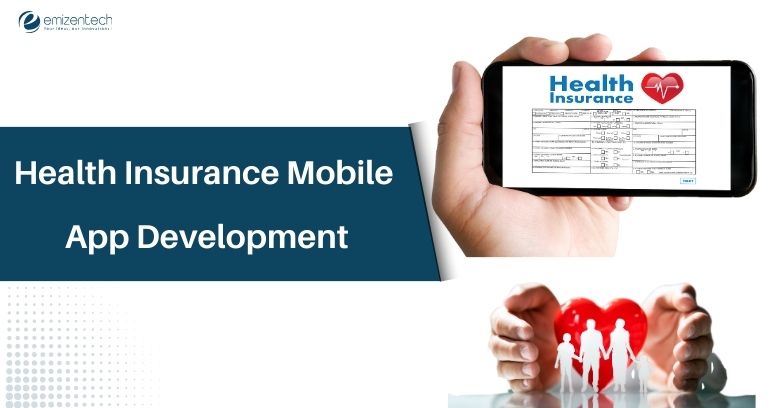
Over the years, there has been a significant shift in the way people prioritize healthcare. More than ever, individuals are looking for easy, efficient ways to secure their healthy future. A health insurance mobile app is one of the smartest ways to manage a range of medical health insurance in today’s digital world. These apps let you track your investments in healthcare policies, manage your insurance plans, and monitor your claims. These apps ensure you’re covered for the long run and get all at your fingertips.
The development of health insurance apps is revolutionizing the way people are taking care of their health policies. With a diverse range of features, user-friendly interfaces, and the ability to access everything anytime, anywhere, these apps provide a hassle-free approach to policy management. No more wasting time or dealing with complicated paperwork. It’s all about convenience and peace of mind.
Over 300 million people worldwide use health apps. Considering these numbers, now is the best time to invest in health insurance mobile app development.
Are you looking to create a health insurance app that caters to user needs and turns into a profitable venture for you? If yes, then you’re in the right place. Please keep reading to understand what is a health insurance app development and explore its features, current trends, competitors, costs, and more.
What Is a Health Insurance App?
An app for health insurance is a straightforward, user-friendly mobile application that allows consumers to manage their health insurance directly from their phones. Using a health insurance app, users can manage their insurance policy, monitor claims, and even receive individualized assistance from their insurance providers. Additionally, it enables users to organize their health information and medical records centrally, making them simpler to access when needed.
The app also allows users to compare various insurance policies to choose the one that best meets their specific requirements. Users may also examine information about network hospitals, including geotagging on Google Maps, and receive helpful renewal reminders. Some apps even offer a health risk assessment feature, where users answer a few questions about their health and lifestyle to understand potential risks.
What Is Health Insurance App Development?
The primary purpose of developing a health insurance mobile app is to provide a mobile application that makes managing health insurance simple for users. It includes creating a platform that allows customers to monitor claims, view insurance information, compare plans, and even locate hospitals or physicians.
Organizing medical records, getting reminders for policy renewals, and assistance from insurance companies are all made easier for users. It’s crucial to prioritize user-friendly design, accessibility, and features that make insurance and health management simpler for all users when developing a health insurance app.
Why Health Insurance App Development Is In Demand: Health Insurance App Market Stats and Overview
Health insurance app development is in high demand due to the growing need for convenient and accurate health monitoring solutions.
- The global mHealth apps market was valued at USD 33.17 billion in 2023 and is expected to grow to USD 88.70 billion by 2032, with a CAGR of 11.7%. This growth is inspired by rising consumer demand for apps that help them easily track their health.
- The global mHealth apps market was valued at USD 33.17 billion in 2023 and is expected to grow to USD 88.70 billion by 2032, with a CAGR of 11.7%. This growth is inspired by rising consumer demand for apps that help them easily track their health.
- Apps like Fitbit, Apple Heart Study, and BlueStar are popular choices. These apps benefit both patients and doctors by providing easy access to health data, helping patients monitor their conditions, and allowing doctors to offer better, more informed care.
- With advancements in mobile technology, health insurance applications like Aetna Health, myCigna, and HealthBird are becoming more accessible, making healthcare easier for everyone to manage.
Types Of Health Insurance Apps You Can Develop
The main goal of developing health insurance apps is to provide solutions that meet a wide range of consumer needs. The following are some of the most common and widely used types of health insurance apps.
1. Apps for Tracking and Submitting Insurance Claims
These applications save users the trouble of paperwork and long waiting periods. Their purpose is to simplify the submission and monitoring of insurance claims. Users have real-time access to the status of their claims.
2. Apps for Policy Management
These allow users to manage their health insurance policies centrally. They have the ability to inspect, change, or renew their policies. With this app, everything becomes readily available and arranged.
3. Telemedicine and Virtual Care Insurance Apps
These apps connect users with healthcare providers for virtual healthcare insurance consultations. It’s one of the easiest ways for users to access healthcare without having to visit a hospital.
4. Health Savings Account (HSA) Management Apps
These apps allow users to manage their HSAs, track contributions, and monitor their spending on qualified medical expenses. This will enable them to save for healthcare in a better and more planned manner.
5. Wellness Program and Rewards applications
These health insurance mobile apps, designed to promote good living, incentivize users to stick to their health objectives by rewarding them for accomplishing wellness tasks, such as working out or eating healthily.
6. Apps for Premium Payment and Billing
These apps help users pay their insurance premiums quickly, check their payment history, and receive reminders for impending invoices so they always remember to make a payment.
7. Apps for Preventive Care and Risk Assessment
These health insurance applications provide users with personalized advice on preventive care and health risk assessments. This allows them to remain on top of their health and monitor potential problems.
8. Insurance Comparison and Quotation Apps
This mobile app development allows users to evaluate several health insurance plans, request quotes, and select the plan that best meets their needs. These apps streamline and improve the transparency of the insurance purchasing process.
Business Benefits Of Building A Health Insurance Mobile App
Developing a health insurance app can bring significant benefits to businesses by improving how they interact with customers, manage operations, and deliver services. Following are some of the many business benefits:
1. Improved Customer Engagement
With a health insurance mobile app, companies may communicate with clients around the clock. Features like personalized updates and push notifications increase users’ engagement and value.
2. Streamlined Claims Processing
Companies can process claims more quickly and effectively by automating the submission and tracking of claims. Because less time and effort are needed, clients are satisfied with faster resolutions.
3. Enhanced Data Security
To safeguard sensitive user data, health insurance apps are constructed with robust security measures. This increases client trust by guaranteeing the security of personal and medical information.
4. Personalized Policy Suggestions
Using user data as a basis, the app can offer recommendations for insurance policies that are tailored to each user’s requirements and tastes. This increases sales while making it simpler for clients to locate the appropriate coverage.
5. Cost Reduction for Operations
Operating costs are reduced when procedures like customer support and claims administration are automated using a health insurance mobile app. Businesses can handle routine chores digitally to save time and resources.
6. Increased Customer Retention and Satisfaction
Consumers who find an app that is easy to use and streamlines insurance administration tend to be more devoted and satisfied. Convenience and individualized attention boost customer satisfaction and improve the chances that they will remain loyal to your company over time.
Must-Have Features For Health Insurance Mobile App Development
When creating a health insurance app, picking the right features is super important. Here’s a quick look at some must-have features:
| Features | Descriptions |
|---|---|
| User Registration and Profile Management | It lets users create accounts and manage their personal and insurance details in one place. |
| Policy Management | Users can easily view, update, or renew their insurance policies without any hassle. |
| In-App Claims Submission | Simplifies the process of submitting claims directly through the app, cutting down on paperwork. |
| Payment Gateway Integration | Enables users to securely pay premiums and keep track of their payment history within the app. |
| Coverage Details and Plan Comparison | Allows users to compare different health insurance plans and see what’s covered under each option. |
| Notifications and Alerts | Sends users reminders for policy renewals, claim updates, and other important alerts. |
| Search for Network Hospitals and Doctors | Helps users find nearby hospitals and doctors that are covered by their insurance plan. |
| Customer Support/Chat | Provides users with instant access to customer service through live chat or support options. |
| Policy Renewal Reminders | Sends automatic reminders to users when their policies are due for renewal so they never miss a deadline. |
| Document Upload and Storage | Allows users to upload, store, and access important documents like insurance cards and medical records. |
| Real-Time Claim Tracking | Gives users real-time updates on the status of their submitted claims, offering transparency and peace of mind. |
| FAQs and Knowledge Base | Provides users with answers to common questions and detailed information about their health insurance. |
Advanced Features To Consider While Developing A Health Insurance Mobile App
When creating a health insurance mobile app, adding advanced features can take the user experience to the next level. These features not only make the app more engaging but also ensure that users feel secure and well-supported. Here’s a look at some advanced features to consider:
| Advanced Features | Descriptions |
|---|---|
| AI-Based Chatbots | Offers instant customer support, answering common questions and guiding users through the app. |
| Telemedicine Integration | Allows users to consult doctors virtually, making healthcare more accessible right from the app. |
| Health and Wellness Tracking | Tracks users’ health habits like sleep, exercise, and diet, helping them stay on top of their wellness. |
| Personalized Health Insights | Provides users with tailored advice and tips based on their health data and lifestyle habits. |
| AI-Driven Risk Assessment | Analyzes user data to predict potential health risks and offer suggestions for preventative care. |
| Blockchain for Secure Data Management | Ensures the safe storage of sensitive information like medical records and insurance details, boosting user trust. |
| Predictive Analytics for Policy Recommendations | Uses data to recommend the most suitable insurance policies based on individual needs and behavior. |
| Voice Command Features | Allows users to navigate the app or access information through simple voice commands for easier use. |
| Integration with Wearable Devices | Syncs with smartwatches or fitness trackers to monitor health metrics and provide a more holistic view. |
| Multi-Language Support | Offers users the ability to use the app in different languages, making it accessible to a wider audience. |
| Augmented Reality for Claim Assistance | Guides users through the claims process using AR, making it easier to submit claims with visual help. |
| Biometric Authentication (Face ID/Fingerprint) | Adds an extra layer of security by allowing users to log in using facial recognition or fingerprint scanning. |
A Step-by-Step Process To Develop A Health Insurance App
Creating a health insurance app has the potential to alter everything, but in order to be successful, the correct procedures must be followed. By decomposing the process, you can create a dependable and user-friendly mobile app that satisfies the needs of your audience.
1. Market Research and Requirement Gathering
Understanding your users’ wants and the gaps in the present market is the first step in conducting market research and gathering requirements. To establish a clear roadmap, identify the elements that matter most for a health insurance mobile app and collect all the needs from relevant parties.
2. Choose the Right Technology Stack
The scalability and performance of the application depend on the choice of the technology stack. Selecting the top programming languages, frameworks, and tools will guarantee that your application is quick to develop, safe, and easy to maintain.
3. Design User Interface (UI) and User Experience (UX)
An app’s design has a crucial role in its success. Give special attention to designing a user interface that is visually appealing and straightforward for users to navigate, enabling them to quickly and easily discover what they need.
4. Develop Core Features and Integrate APIs
Create the primary functionalities of your app, such as policy administration, claim submission, user registration, and more. To ensure that the app is connected and functional, integrate the required APIs for payment gateways, health records, or insurance data.
5. Test the App for Functionality and Security
Finding any bugs or security weaknesses in the mobile app requires thorough functionality and security testing. To ensure that user data is safe and all features work as intended, thoroughly test the system.
6. Launch, Track, and Update the App
After everything is configured, go to the app stores and start your application. Pay attention to user comments and the functionality of the app, and update it frequently to address bugs and add new features. Maintaining user satisfaction and engagement requires constant improvement.

Cost Estimation For Health Insurance Mobile App Development
Knowing the right costs for developing a health insurance app is essential for proper planning and avoiding surprises. It helps you plan effectively and ensures you’re investing wisely in your app’s success. The cost of building a health insurance mobile app ranges from $20,000 to $200,000, depending on features, design, and complexity.
Cost Breakdown:
- Basic Version ($20,000 – $50,000): Includes essential features like user registration, policy viewing, and basic claims. Ideal for simple, budget-friendly apps.
- Mid-Range Version ($50,000 – $100,000): Adds in-app payments, push notifications, and better design. Offers a good balance of features and cost.
- High-End Version ($100,000 – $200,000+): Features advanced options like AI recommendations, video consultations, and a sleek design. Perfect for a top-tier, highly functional app.
Tools and Technology Stack Required To Build A Health Insurance App
Choosing the right tools and technology stack is key to building a robust and efficient health insurance mobile app. Here’s a quick overview of the essential categories and technologies needed:
| Category | Tools/Technology |
|---|---|
| Frontend Development | React Native, Flutter, Swift, Kotlin |
| Backend Development | Node.js, Django, Ruby on Rails, Java |
| Database | PostgreSQL, MySQL, MongoDB, Firebase |
| API Integration | REST, GraphQL |
| Payment Gateway | Stripe, PayPal, Razorpay |
| Cloud Services | AWS, Google Cloud, Microsoft Azure |
| Authentication | OAuth, JWT, Firebase Authentication |
| Analytics | Google Analytics, Mixpanel, Firebase |
| Push Notifications | Firebase Cloud Messaging, OneSignal |
| Mobile App Testing | Selenium, Appium, JUnit, Postman |
Challenges and Their Solutions To Overcome While Creating A Health Insurance App
Developing a health insurance mobile app comes with its own set of challenges, but understanding these hurdles and their solutions can help you build a secure and user-friendly app. Here are some common challenges and how to overcome them:
1. Data Security
Challenge: Sensitive patient data and payment information need protection.
Solution: Use strong encryption and follow data protection regulations to safeguard user data.
2. Regulatory Compliance
Challenge: Health apps must comply with various laws and standards based on location.
Solution: Stay updated on relevant regulations and ensure your app meets all compliance requirements.
3. Interoperability
Challenge: Different health systems have varying data standards, making integration challenging.
Solution: Implement industry-standard APIs and data formats to ensure smooth interoperability.
4. Data Analysis
Challenge: Large amounts of health data can be complex to analyze manually.
Solution: Utilize AI and machine learning tools to efficiently process and analyze health data.
5. Cloud Integration
Challenge: Users may worry about the security and privacy of cloud storage.
Solution: Choose reputable cloud providers and follow strict data governance and security protocols to build trust.
Why Choose EmizenTech For Your Health Insurance Mobile App Development Journey?
Choosing EmizenTech for health insurance app development services means partnering with a leading health insurance mobile app development company that brings together expert developers, years of industry experience, and a commitment to delivering tailored solutions.
Our team of mobile app developers is skilled in creating secure, user-friendly health insurance mobile apps that meet the specific needs of your business. Our extensive experience enables us to understand the unique challenges of health insurance mobile app development and provide customizations that ensure your app stands out in the market. Plus, our support doesn’t end at launch—our mobile app development company offers continuous assistance and updates to keep your app performing at its best. EmizenTech is dedicated to your success, making us the ideal choice for developing a standout health insurance mobile app.

Conclusion
Developing a health insurance application is a decisive step toward a brighter future in healthcare, offering convenience, accessibility, and improved user experiences. By incorporating the right features, following a structured development process, and focusing on scalability, you can create an app that not only meets the needs of your users but also stands the test of time in a competitive market. For a successful health insurance app that drives real results, partner with experts who understand the industry inside and out. Ready to make your vision a reality? Choose EmizenTech, and let’s build the future of health insurance together!
Frequently Asked Questions
Key features include policy management, claim tracking, payment options, customer support, and health tips. User-friendly design is also crucial.
The time depends on the app’s complexity and features. On average, development and testing can take 4 to 8 months.
Costs vary based on features and design. A basic app might cost around $20,000, while a more advanced app can cost $200,000 or more.
Yes, chatbots are popular features for answering customer questions quickly and improving support, making the app more user-friendly.
EmizenTech offers expert app development services to build customized, user-friendly health insurance apps. Contact them for tailored solutions that fit your needs.



 +1 (989) 535-9295
 info@emizentech.com
 emizentech


