 Add us as a preferred source on Google
There’s no doubt that regular exercise brings many benefits. Whether you want to lose weight, improve health, or build muscle, fitness is key to both your mental and physical well-being. Today, with the advent of digital technology, it’s easier than ever to take fitness with us wherever we go. Thanks to health and fitness app development, users can easily track their progress and schedule workouts. Hevy is a popular app that has gained popularity among fitness enthusiasts.
Hevy is a very popular fitness and workout app that enables app users to easily track the progress of their workouts to reach their fitness goals. It offers so many options that make it simple to create and stick to a workout plan, including built-in exercises, customizable workouts, and progress tracking. It’s an excellent app for both beginners and experienced athletes, with features suited to different fitness levels and preferences.
Health and fitness app development, similar to Hevy, is catching the attention of entrepreneurs due to its widespread popularity and variety of features. The main question is: What does it take to build an app similar to Hevy? The cost of building an app like Hevy ranges from $27,000 to $200,000+.
In this article, we’ll explore the various factors that affect the cost of health and fitness app development like Hevy, and provide insights to help you navigate this growing landscape.
Market Statistics For Fitness App Development
Let’s take a look at some key statistics about fitness apps to help you feel more confident about investing in their development.
- According to the Market Research Future report, the fitness app market is forecast to grow from $45.2 billion in 2024 to $134.5 billion in 2032. It will show a CAGR of 27.6%
- The majority of revenue will come from the United States that is $2.49 billion in 2025.
- The revenue generated by the fitness app market is projected to reach $8.30 billion by 2025.
- User penetration is expected to be 12.21% in 2025, and it’s likely to increase to 13.21% by 2029.
What Is Hevy Fitness App?
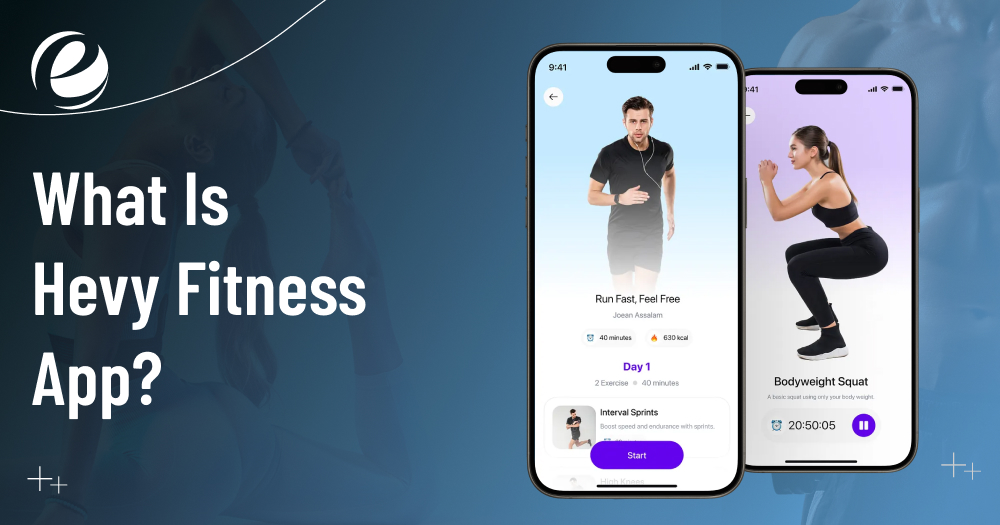
Hevy is a mobile app designed to help people track their training progress and improve their fitness. Users can log various exercises, such as weightlifting, and monitor their progress over time. With Hevy, you can create custom workout plans tailored to your needs, set goals, track progress, and see how you’re improving. The app also includes features to track reps, sets, and weights, making it easier to keep up with your workouts.
Hevy workout app is user-friendly, making it indeed an amazing tool for fitness enthusiasts. What sets apps like Hevy apart is their ability to make exercise tracking simple and informative while offering an interface similar to social media, allowing app users to easily connect with other fitness enthusiasts. This combination encourages users to work out regularly, track their progress for their followers, and access a comprehensive dashboard that provides detailed reports of past and current workouts.
Benefits Of Health And Fitness App Development Like Hevy
Health and Fitness Apps Like Hevy offers so many benefits to both businesses and users. Here are some of the advantages:
1. Target a Niche Market
There was little noticeable improvement in the fitness app industry before the pandemic. However, in the year that followed, it’s interesting to note that the number of people using fitness apps rose by nearly 40%, reaching an overall user count of around 385 million.
Health and fitness app development like Hevy is not just a common idea, it’s a smart one! With millions of fitness enthusiasts seeking an app tailored to their specific goals, a fitness program for gyms with detailed exercise plans, diet regimens, and progress tracking could significantly impact the fitness industry.
2. Increase Engagement and Retention
Fitness apps with workout trackers and planners help users stay active and engaged by offering fun features such as rewards, challenges, and leaderboards. These features encourage users to stay committed to their fitness routines while building a sense of community, enabling them to connect with others and share achievements.
By incorporating these features, users are more likely to continue using the app regularly, increasing their engagement. In fact, over 25% of people who download fitness apps are active on the app at least 10 times per week. This demonstrates how such features can boost both retention and engagement.
3. Revenue Generation Opportunities
Health and fitness app development like Hevy offer various revenue-generating methods. In-app purchases, premium subscriptions, and high-end features like personal coaching can provide steady revenue. Users are often willing to pay for additional options like personalized programs, exclusive workout content, and online fitness classes.
By offering tiered memberships or one-time purchases for content, businesses can diversify their revenue streams and create a sustainable model. The more customized and feature-rich the app is, the more likely users are to upgrade to premium subscriptions.
4. Cost-Effective Fitness Solution
Creating a fitness app like Hevy is a low-cost alternative compared to traditional workouts and gym memberships. Many people prefer apps because they’re more affordable and easier to use. Users don’t have to worry about expensive gym memberships or hiring personal trainers when they have access to workout plans and guidance directly from their smartphones.
This makes fitness accessible to a larger audience, especially for those who may not have the budget or time to go to gyms regularly. A low-cost app can increase user retention and engagement.
5. Competitive Advantage
As the fitness app market becomes more crowded, businesses must stand out to attract customers. Health and fitness app development like Hevy can provide an advantage over competitors by offering unique features that cater to specific fitness needs. Customization options, advanced tracking tools, and integration with other health-related apps can set a company apart from the competition.
Features like social engagement, rewards, and challenges can make an app more attractive and encourage users to choose it over alternatives. Unique apps that address user needs help build a loyal customer base, which allows the company to thrive in a competitive market.

Costs Of Health and Fitness App Development Like Hevy
One of the most important aspects to consider when starting the process of fitness mobile app development is the cost. The cost of creating a Hevy like fitness application varies depending on the complexity of features, the platform, design complexity, and developer costs. The cost can range from $27,000 to $200,000+.
To provide you a clear understanding here is a table of fitness app types and development costs:
| Fitness App Type | Must-Have Features | Cost of Development (USD) |
| Simple App | Registration, Goal Setting, Activity Tracking, Sleep Tracking, Push Notifications, Social Media Integration, In-app Payments, Multiple Device Synchronization | $27,000 – $50,000 |
| Medium App | All features of the Simple App, Workout Routines, Geo-location, In-app Purchase, Videos, Security Protocols, Integration with Wearable Devices, Online Consultation | $50,000 – $100,000 |
| Complex App | All features of Simple and Medium Apps, AI-powered Personal Coach, Gamification, Live Streaming, Video on Demand | $200,000+ |
Factors Influencing Fitness App Development Like Hevy Costs
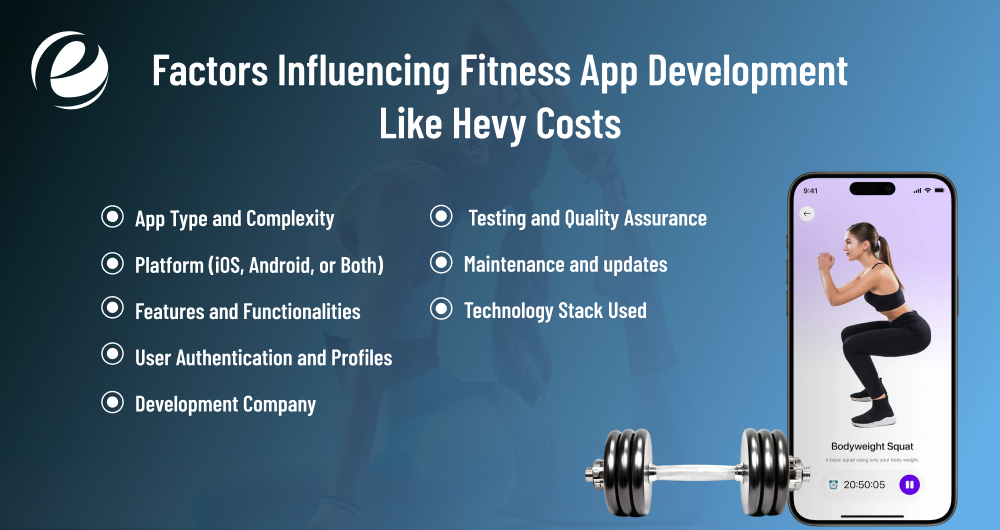
Fitness and workout apps are becoming so popular among people of all ages as well as fitness levels. Several factors affect the cost of health and fitness app development, including the platform you choose, the features and capabilities the app offers, the design and UI/UX, and the expertise of the developers. Let’s understand these factors in detail:
1. App Type and Complexity
The type of health and fitness app development and its level of complexity will impact the cost. If the app is simple and only tracks exercises, it will be less expensive. However, if you want additional features such as personalized exercise plans or social media sharing, the cost will rise.
A basic app may track workouts and progress, while more advanced apps might include extra features like goal-setting, fitness tips, or a social community. Therefore, the more complex and feature-rich the app is, the more time as well as effort it will take to develop, leading to higher costs.
2. Platform (iOS, Android, or Both)
The platform you choose for your health and fitness app affects the app development cost. If you plan to develop the app for just one platform, like iOS (Apple) or Android, the cost will be lower. However, if you want the app to work on both platforms, the price will increase. Developing apps for both platforms requires extra time and resources.
Consider where your users are located. If most of your customers use iPhones and iPads, you may only need to develop an iOS app. But if your user base includes both iOS and Android users, you might need to build a cross-platform app, which will cost more.
3. Features and Functionalities
The more features your fitness app has, the higher the cost is likely to be. Simple features like tracking exercises, setting fitness goals, and viewing progress will be less expensive. However, if you want advanced features such as personalized workout programs based on a user’s fitness level or using AR (Augmented Reality) to track workouts, the cost will increase.
These advanced features require additional programming, testing, and resources. Adding social features, such as sharing workouts and photos with friends or connecting with wearables like smartwatches, will also raise the cost because they require more programming and integration with different systems.
4. User Authentication and Profiles
When you include user authentication in your app, you’ll need to develop a secure sign-in method, which can increase costs in the long run. Creating user profiles that store personal details, including fitness goals and progress, makes the app more engaging and helpful.
If you want users to sign in using Facebook, Google, or other accounts, or require additional security like two-factor authentication, it will be more expensive. These features make your app more secure and personalized, but they require extra effort to develop and maintain.
5. Development Company
The fitness app development company you choose to develop your app plays a major role in the cost. You can hire in-house developers, outsource to an agency, or hire freelancers. Each option has its advantages and disadvantages. In-house developers may be more expensive but provide better oversight and communication.
Outsourcing may be less expensive but could lead to quality issues. Freelancers are usually cheaper, but they may lack the necessary expertise. Costs vary depending on the skill level and experience of the company you select.
6. Technology Stack Used
The technology stack means the tools and technologies used to create the app also affects the cost. If you use the latest technologies like AI or the Internet of Things (IoT), your app may offer more features and a better user experience.
However, these technologies can be expensive to develop and implement. Older, simpler technologies may cost less but may not provide the same performance or quality. The best technology stack will depend on your budget and the type of app you want to create.
7. Testing and Quality Assurance
Testing and quality assurance are crucial for creating a high-quality app. A small glitch can frustrate users and lead to negative reviews. The cost of fitness app testing can range from 20% to 30% of the total development budget. It includes testing on different platforms, devices, and browsers, as well as fixing any issues that are discovered.
Quality assurance is a continuous and ongoing process to ensure that your app remains bug-free and provides a smooth user experience. Regular quality assurance activities are essential to keep users loyal. By investing in testing and quality control, you can easily identify as well as fix issues early, saving time and money in the long run.
8. Maintenance and updates
Maintenance and updates are important for keeping your fitness app running smoothly. After your app is developed, you need to regularly update it to fix bugs, improve performance, and add new features. This ongoing work can increase the overall cost of development. You might need to hire a team to manage these updates, which can add extra costs over time.
The frequency and complexity of updates can also impact the cost. Simple updates are cheaper, but adding new features or making major changes can be more expensive. Overall, maintenance and updates are necessary for keeping your app user-friendly and competitive, but they will affect the long-term costs.
Below is a table that provides a comprehensive overview of the possible cost estimates to develop a fitness application based on various factors:
| Factor | Description | Cost Range |
| Application Types and Complexity | Simple apps (e.g., exercise monitoring) are less expensive, whereas complex apps (e.g., customized plans or social sharing) cost more. | $5,000 – $100,000, depending on features |
| Platform | Development for a single platform (iOS or Android) costs less. Cross-platform apps are more expensive due to added costs and time. | iOS/Android: $10,000 – $50,000+
Cross-Platform (React Native, Flutter): $15,000 – $80,000+ |
| Features and Functions | Basic features like exercise tracking cost less, while more sophisticated features like AR, AI-based suggestions, and integration with wearables increase costs. | Basic: $5,000 – $20,000
Advanced: $20,000 – $100,000+ |
| User Authentication and Profiles | Secure registration, profile creation, and social login options (Google, Facebook) add to complexity and cost. | $3,000 – $15,000, depending on security options |
| Development Company | In-house development is typically more expensive but offers better control and communication. Freelancers or outsourcing are less expensive but may vary in quality. | In-house: $50,000 – $200,000+
Outsource: $10,000 – $100,000+ Freelancers: $5,000 – $50,000 |
| Technology Stack | Using modern technologies like AI or IoT increases costs, while simpler stacks can lower the development cost. | Simple Stack: $10,000 – $50,000
Advanced Stack (AI, IoT): $50,000 – $150,000+ |
| Testing & Quality Assurance | Testing and QA are essential and usually account for 20-30% of the total budget. It includes testing on different devices and fixing issues. | $3,000 – $30,000+, depending on app complexity |
| Maintenance and Updates | After development, you’ll need regular maintenance and updates to fix bugs, add features, and ensure the app works well. This adds to the cost over time. | $2,000 – $10,000+ per year, depending on updates and complexity |
Fitness App Like Hevy Monetization Strategies

Health and fitness app development like Hevy can be an exciting venture. However, it’s equally important to find effective monetization strategies that will not only help cover the cost of developing the fitness app but also generate revenue.
1. In-App Purchases
In-app purchases are a popular monetization method in fitness apps. This method enables app users to download the app for free while offering them premium options, features, or virtual items within the app. Users can also choose to make one-time purchases or opt for microtransactions to enhance their experience.
2. Subscription Model
Subscription models are an effective monetization method, providing high-quality content and services to users on a monthly or yearly basis. For fitness apps, this could include access to advanced fitness plans, personal training, or enhanced analytics and tracking tools. Subscriptions provide a steady income, allowing you to offer ongoing benefits to your clients while covering development and maintenance costs.
3. Freemium Model
The freemium model offers a basic version of your fitness app for free, with premium features available for a cost. This model attracts more users while giving them the option to upgrade based on their needs and desires.
4. Selling Advertisements
Incorporating ads into your fitness app is a simple method of monetization. Partnering with advertisers allows you to display relevant ads to your audience. However, it’s essential to maintain a balance between monetization and user experience to avoid negatively affecting the app’s appeal.
5. eCommerce Store
You can maximize profits by setting up an in-app store. Here, you can offer fitness-related products such as workout equipment, clothing, supplements, and digital fitness guides. Carefully choose the fitness related products that align with your health focus, providing an additional revenue stream.
Top Ways To Optimize The Cost Of Fitness App Development Like Hevy
In the above section, we have discussed in detail about the cost of fitness application development like Hevy. However, equally important is understanding how to reduce the app development cost. The following suggestions can help.
1. Build For One Platform First
Instead of developing for both iOS and Android at the same time, start by developing for just one platform (either iOS or Android). This will help save costs. Once your application is successful, you can consider expanding to another platform later.
2. Outsource The Development
Involving outsourced developers in your app’s development can be more cost-effective, especially for small businesses in high-cost regions like the US or UK. Outsourcing to countries like Asia allows you to develop your application at a lower cost without compromising quality.
3. Test Your Concept
Build the app only after ensuring there is a market for it. If not, you could end up spending a lot of money with no return on investment. Conduct an extensive discovery phase to test your assumptions with the intended audience. Knowing what people want before developing a fitness app ensures it fits the market.
4. Create An MVP
It’s tempting to include every feature your competitors offer in their apps, but this can drive up costs for features you may not need. Focus on the most important functions when creating an MVP. This will allow you to target users’ needs more effectively, saving you time, costs, and energy when launching your app.
5. Use Pre-built Templates
Rather than building every feature from scratch, use existing models or templates. These will speed up the development process and cut costs, as they already include basic features like login screens and exercise tracking. This allows your team to focus on the unique aspects of your app.
6. Begin With Basic Features
Start by adding only the essential functions, like workout tracking and progress monitoring. Avoid adding advanced features such as AI or AR in the first version. Once you have established a steady customer base, you can gradually add more features over time.
7. Utilize Third-party Solutions
You don’t need to build everything from scratch to create your fitness app. There are frameworks, libraries, plugins, and third-party solutions that can help reduce development time. For example, you can integrate payment systems like PayPal or Stripe through APIs. This enables fitness app developers to focus on user experience and business logic, improving the overall app.
8. Focus on MVP (Minimum Viable Product)
An MVP is a set of core features that allow your app to function. Instead of developing a full app, focus on the most essential aspects first. This can shorten development time and allow you to test and launch the app in the market quickly.
9. Automate Testing
Manual testing can be expensive and time-consuming. By using automated testing and QA tools, app developers can quickly check your app for performance issues and bugs. This reduces the cost of quality assurance and ensures the app runs smoothly with minimal manual effort.
Why Choose EmizenTech to Develop Your Fitness App Like Hevy?
EmizenTech is an industry-leading fitness app development company with a proven track record of designing innovative and user-friendly fitness applications. We have extensive experience creating successful fitness apps and understand the challenges and opportunities in the market.
Our skilled team of fitness app developers and designers is committed to providing exceptional solutions that help people attain their fitness objectives. Our services are customized for your particular needs, ensuring that your app stands out from the competition. Our apps are made with the latest tech, so they are fast, easy to use, and can handle growth.
Talk to us today for a free consultation. We’ll guide you on how to create an app.
Conclusion
Developing a fitness application like Hevy is a fantastic opportunity to expand your fitness business However, it takes time and money. The price of developing the application will depend on many aspects, including the features it offers, size of the app, technology stack as well as the place where the development company is located.
The understanding of these costs is vital in creating an app that is successful. If you want to create an app for personal training or fitness, you need to plan carefully and choose the best developers. If you do this you will be able to cut down on cost and boost the chance of being successful.
If you have a clear idea, and an emphasis on customer satisfaction, the fitness app you create will be able to distinguish itself from the crowd and provide users with the best experience, while also generating constant revenue as time passes.
FAQs
What is the time frame to build an application like Hevy?
The timeline for developing the app can be different according to the requirements of the client as well as the added features that are included in the fitness app.
What can I do to make an app better than Hevy?
Improve the user experience by making the app more user-friendly. You can do this by adding instructional videos, a mobile online store, or offering virtual fitness sessions.
What can I do to reduce the cost of creating a fitness app?
Outsourcing to developers in regions with a lower cost of living can help reduce development costs. Additionally, testing your idea first and creating a Minimum Viable Product (MVP) can help lower overall development costs.
What’s the cost of maintaining a fitness app?
In-house maintenance is more expensive due to salaries and benefits. Outsourcing is cheaper because you only pay for the work that gets done.



 +1 (989) 535-9295
 info@emizentech.com
 emizentech


