 Add us as a preferred source on Google
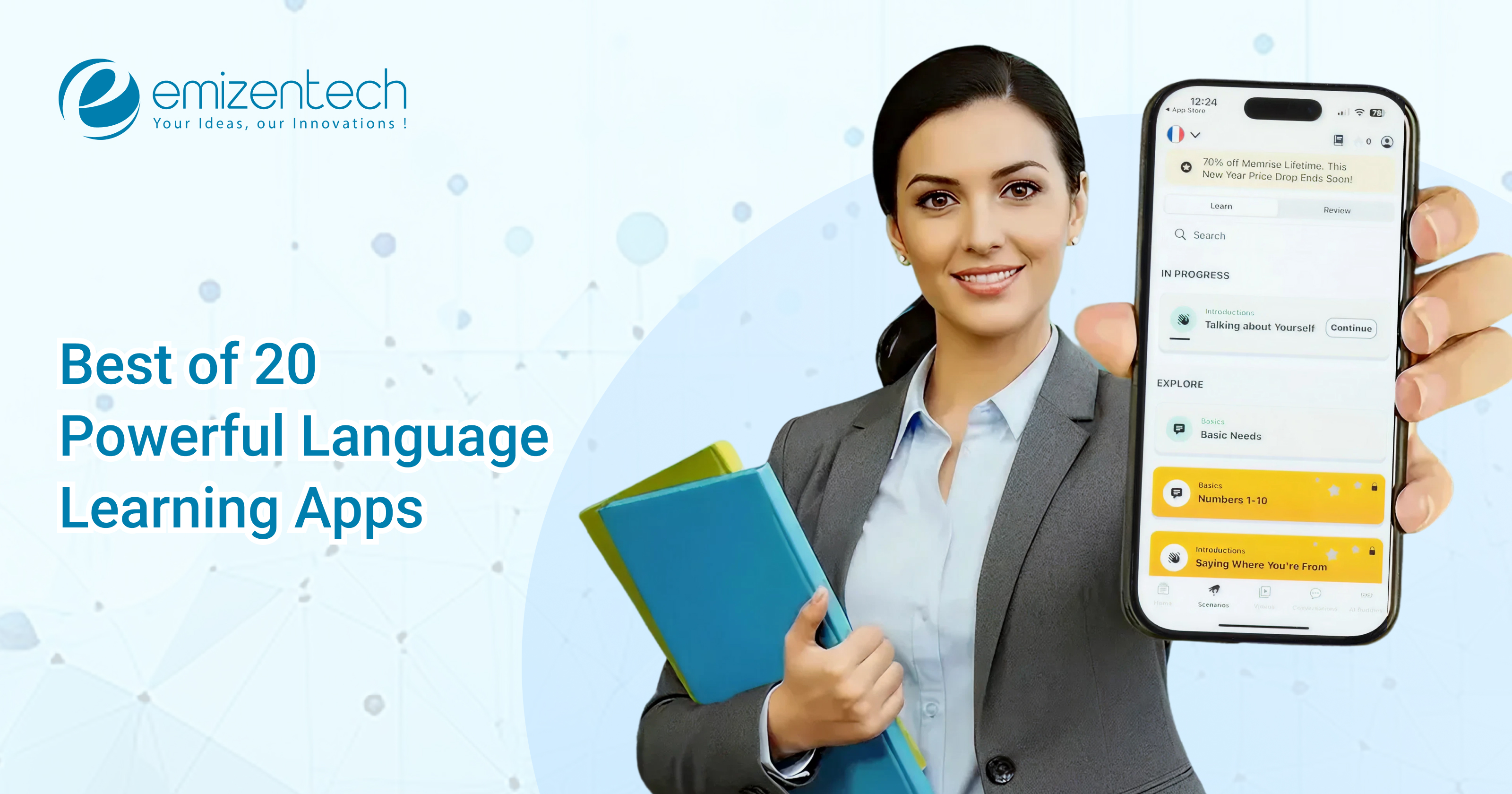
 Do you want to learn a new language with the help of a few clicks? This question that millions of people ask, “What is the best language learning app?” is answered by the worldwide phenomenon of language learning apps.
According to Open PR, the market for global language learning applications is expected to experience significant growth between 2026 and 2030. Its value, which was approximately USD 20.35 billion in 2024, is expected to shoot up to a staggering USD 89.53 billion by 2032 at a very impressive CAGR of nearly 17.9% during the period from 2026 to 2032.
Language learning app platforms are the tools that can facilitate self-paced and flexible education with the help of AI, Gamification, and interactive lessons. These completely free language learning apps that also have premium versions available redefine the ways in which we can work on our vocabulary, grammar, and speech skills anytime, anywhere.
You can find the best language learning apps for travel, business, or personal development, and figure out which are the top tools that are changing the way we communicate in the digital world.
Top Features to Look for in a Powerful Language Learning App
The aspects contained in a strong language learning application consist of educational depth and balance. At the same time, the app is usable, and there is a learning experience that is engaging and effective for all learners.
Gamification
Gamification engages and encourages learners by presenting them with fun activities and reward systems; thus, the best language-learning app becomes pleasurable, and users tend to return.
Speech Recognition and Pronunciation Feedback
The use of speech recognition technology in language learning apps provides instant feedback on the learners’ pronunciation, which is a very important factor for students to gain fluency and speak naturally.
Offline Availability
The capability to learn online allows users to take language classes through the best free language learning apps without being dependent on a network connection, as this is crucial for users to be able to continue their studies without interruptions.
Real-life Speaking Practice
Having the option to talk with native speakers or AI in an interactive way gives the essentials, real-world speaking proficiency that comes along with the best language apps.
Rich Vocabulary & Grammar Training
Vocabulary and grammar exercises that cover the entire range guarantee mastery, thus making the apps for learning language extensive and effective.
Interactive Listening & Audio Lessons
Listening to audio and having interactive listening are two ways that greatly improve comprehension and pronunciation in the case of language apps.
Intuitive & Engaging Interface
The best language learning app has a clean and user-friendly design that enables longer learning sessions.
Community & Social Learning
The social features, along with the language exchange apps, contribute to the formation of a supportive and motivating community.
Performance Analytics
The ability to track and analyze one’s progress helps users of language learning apps recognize their strengths and the areas they need to concentrate on.
Multi-Device Sync & Accessibility
The synchronization of devices guarantees that there are no gaps in learning with good language learning apps.
Customization & Flexibility
One of the main characteristics of the leading language learning apps is that personalized learning paths are tailored to user goals.
Course Structure
A powerful curriculum is the backbone of all language learning apps, and hence, it is well-organized.
Cost: Free vs. Premium Models
The balance that exists between free features and premium upgrades is an important factor that influences the choice of language learning apps, whether they are free or paid.
Language Exchange Apps
The integration of conversations with native speakers is seen to enhance both cultural and linguistic fluency.
Cultural Immersion Alongside Language Skills
The introduction of cultural content in the best language learning apps for travel and further use is seen to significantly improve comprehension and memory.
Note: AI development services allow for the creation of customized learning paths and app features that are user-centered and designed to teach languages.
20 Best Language Learning Apps to Master Any Language
Get an opportunity to master any language using the 20 best language learning apps free that are particularly designed for beginners, travelers, sign language learners, and others. These apps are each characterized by exclusive features that are amenable to the various goals and learning styles.
| App Name | Launch Year | Size | Platform | Ratings |
| Babbel | 2007 | 50MB | iOS, Android, Web | 4.6 |
| Duolingo | 2011 | 70MB | iOS, Android, Web | 4.7 |
| Rosetta Stone | 1992 | 80MB | iOS, Android, Web | 4.5 |
| Memrise | 2012 | 60MB | iOS, Android, Web | 4.5 |
| Busuu | 2008 | 55MB | iOS, Android, Web | 4.6 |
| LingQ | 2007 | 45MB | iOS, Android, Web | 4.4 |
| Drops | 2015 | 50MB | iOS, Android, Web | 4.7 |
| HelloTalk | 2012 | 50MB | iOS, Android | 4.5 |
| Pimsleur | 1967 | 40MB | iOS, Android, Web | 4.3 |
| Mondly | 2014 | 55MB | iOS, Android, Web | 4.5 |
| Lingodeer | 2016 | 60MB | iOS, Android | 4.6 |
| Clozemaster | 2017 | 35MB | iOS, Android, Web | 4.5 |
| Speechling | 2015 | 45MB | iOS, Android, Web | 4.4 |
| SignSchool | 2014 | 30MB | iOS, Android | 4.2 |
| Tandem | 2015 | 50MB | iOS, Android | 4.5 |
| Beelinguapp | 2016 | 55MB | iOS, Android | 4.4 |
| Rocket Languages | 2004 | 60MB | iOS, Android, Web | 4.3 |
| Mango Languages | 2004 | 50MB | iOS, Android, Web | 4.6 |
| Lingvist | 2015 | 45MB | iOS, Android, Web | 4.5 |
| Hello-Hello | 2011 | 50MB | iOS, Android, Web | 4.4 |
Babbel
Babbel, designed for learners who expect to have a structured real-world conversation, provides interactive exercises and grammar explanations, thereby making it one of the top language learning apps for those who are serious about learning and focusing on practical dialogues.
- Target Audience: Individuals seeking visual language instruction.
- Features: Uses native speaker videos, spaced repetition formats, and helpful strategies.
- Why It’s Great: Effective strategies for remembering vocabulary.
- Best For: For casual learners and those focused on improving vocabulary retention for travel.
Duolingo
Duolingo is certainly the one that gets the most engagement because it uses playful teaching methods that include speech recognition. This is an excellent app for those who are just starting and for the occasional learner who prefers the best app to learn a language in an entertaining and casual manner.
- Target Audience: Beginners and hobby learners.
- Features: Lessons that are like games, learning activities that are small but frequent, and speech recognition.
- Why It’s Great: Through fun and interactive courses, a wide range of languages is provided with lots of options.
- Best For: Those who speak casually and those who want the best free language-learning apps.
Rosetta Stone
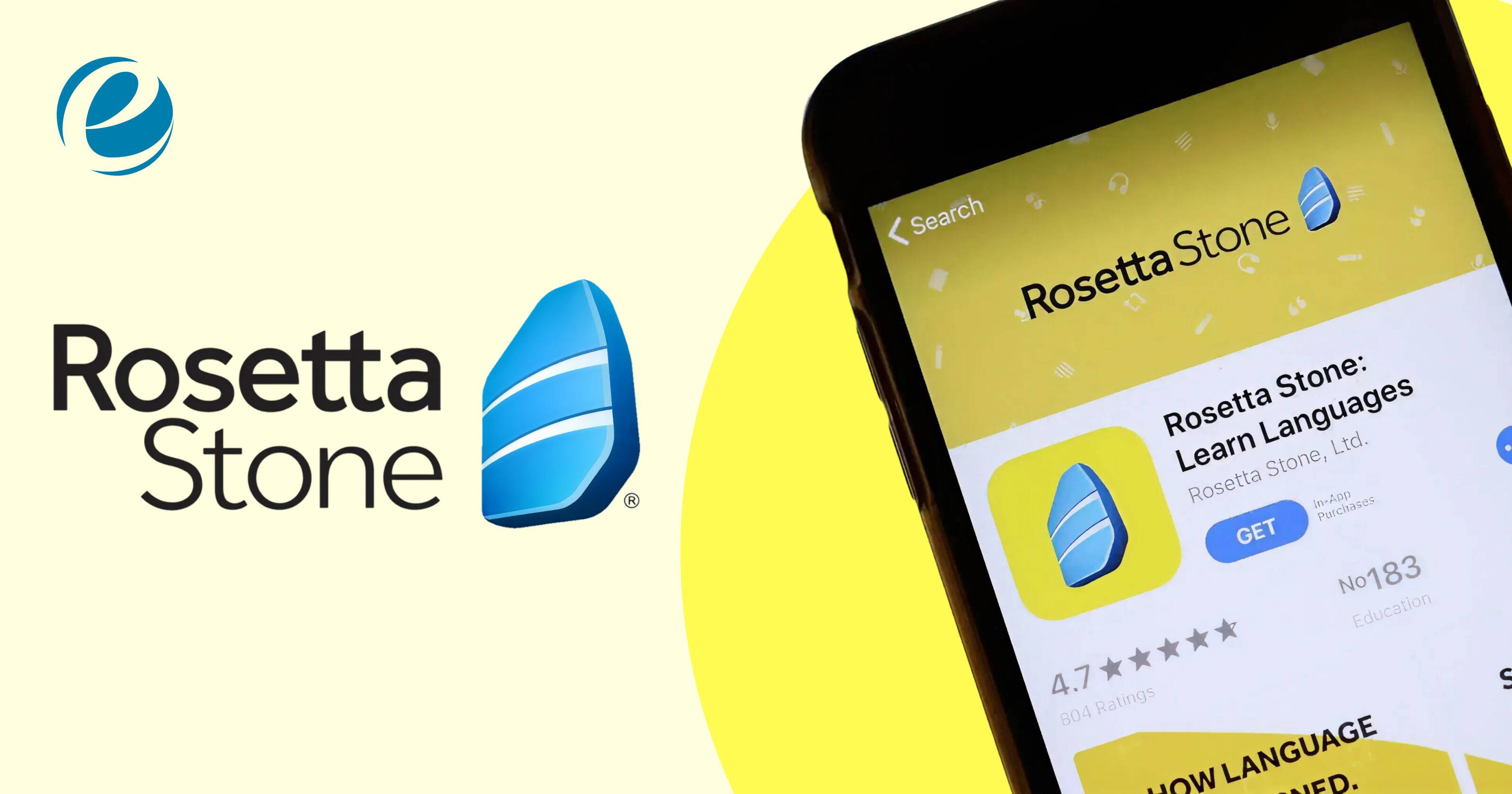
Rosetta Stone is the top-notch immersive language learning app; it mainly highlights visual/audio learning methods along with developed speech recognition capabilities for pronunciation building and confidence; thus, perfect for beginners.
- Target Audience: Those who desire the most immersive and natural language acquisition.
- Features: Visual, audio immersion with TruAccent speech engine.
- Why It’s Great: Deep immersion experience and pronunciation practice easily caught you.
- Best For: Learners wanting a full immersive experience.
Memrise
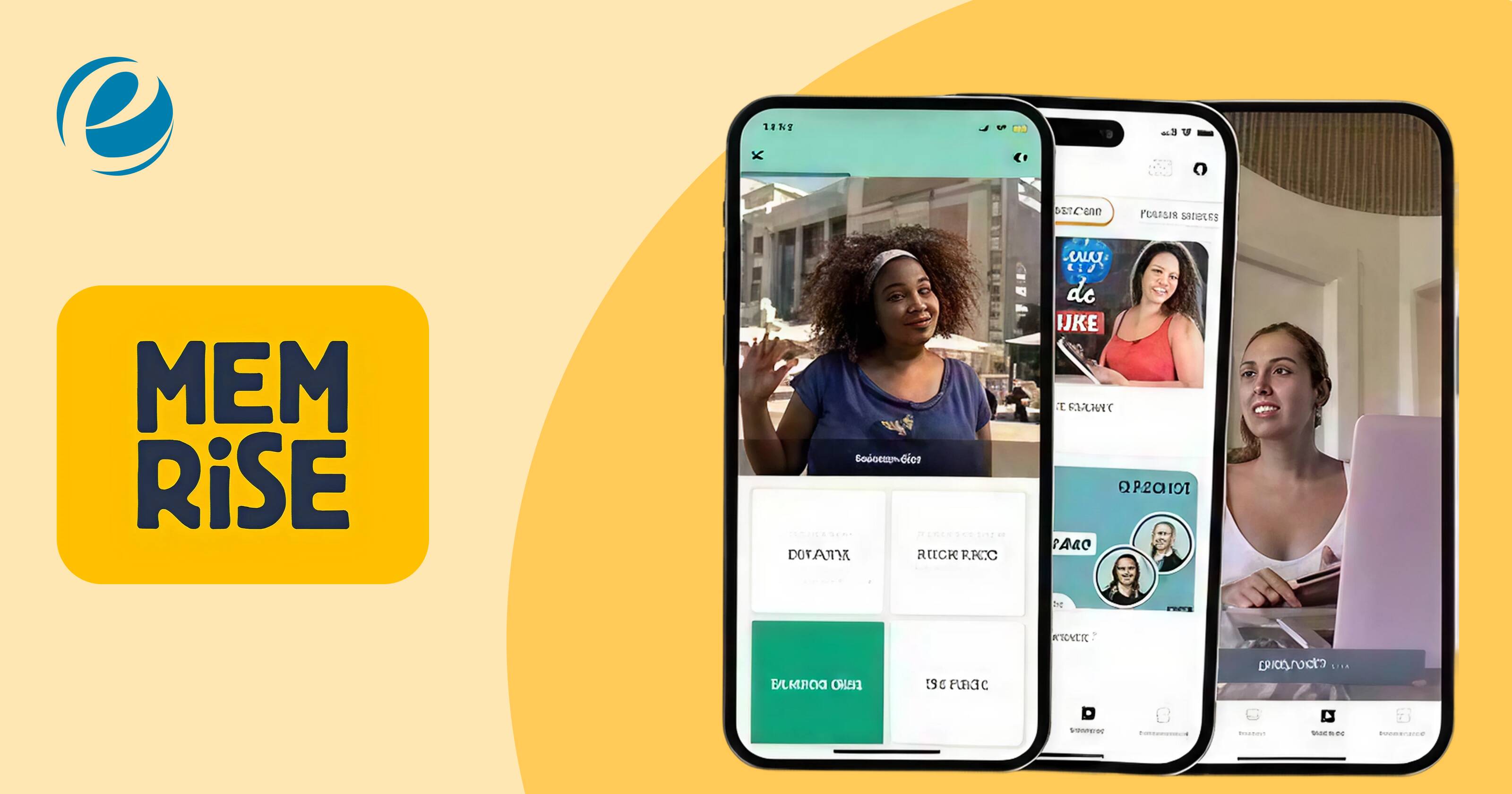
Memrise is one such language-learning application that provides the most accomplished visual approach to the learners. It can be seen as the main feature of native speaker videos and spaced repetition in its vocabulary retention process.
- Target Audience: Learners according to visuals and mnemonics.
- Features: Native speaker videos, spaced repetition, vocabulary building.
- Why It’s Great: It leads to fast vocabulary retention along with the cultural context.
- Best For: Visual learners and travel enthusiasts.
Busuu
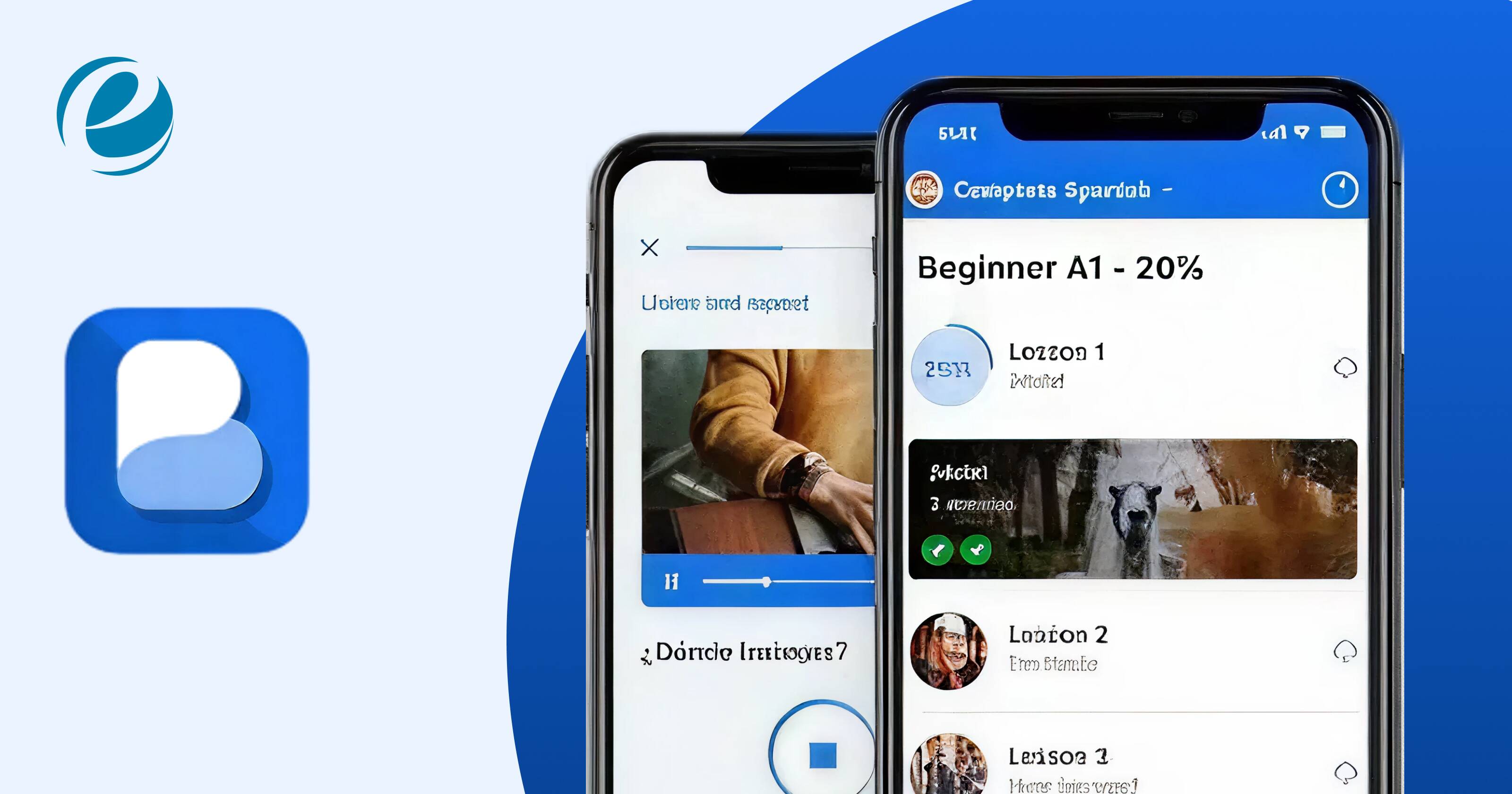
The application Busuu comes with a social language learning concept, where the AI powered language learning app, along with native speaker inputs, are the main features, while it also provides offline access for more practice without interruption.
- Target Audience: Social learners.
- Features: AI-driven lessons, feedback from native speakers, and offline mode.
- Why It’s Great: A strong community with each individual supported by AI.
- Best For: Language study that is lively due to getting instant feedback.
LingQ
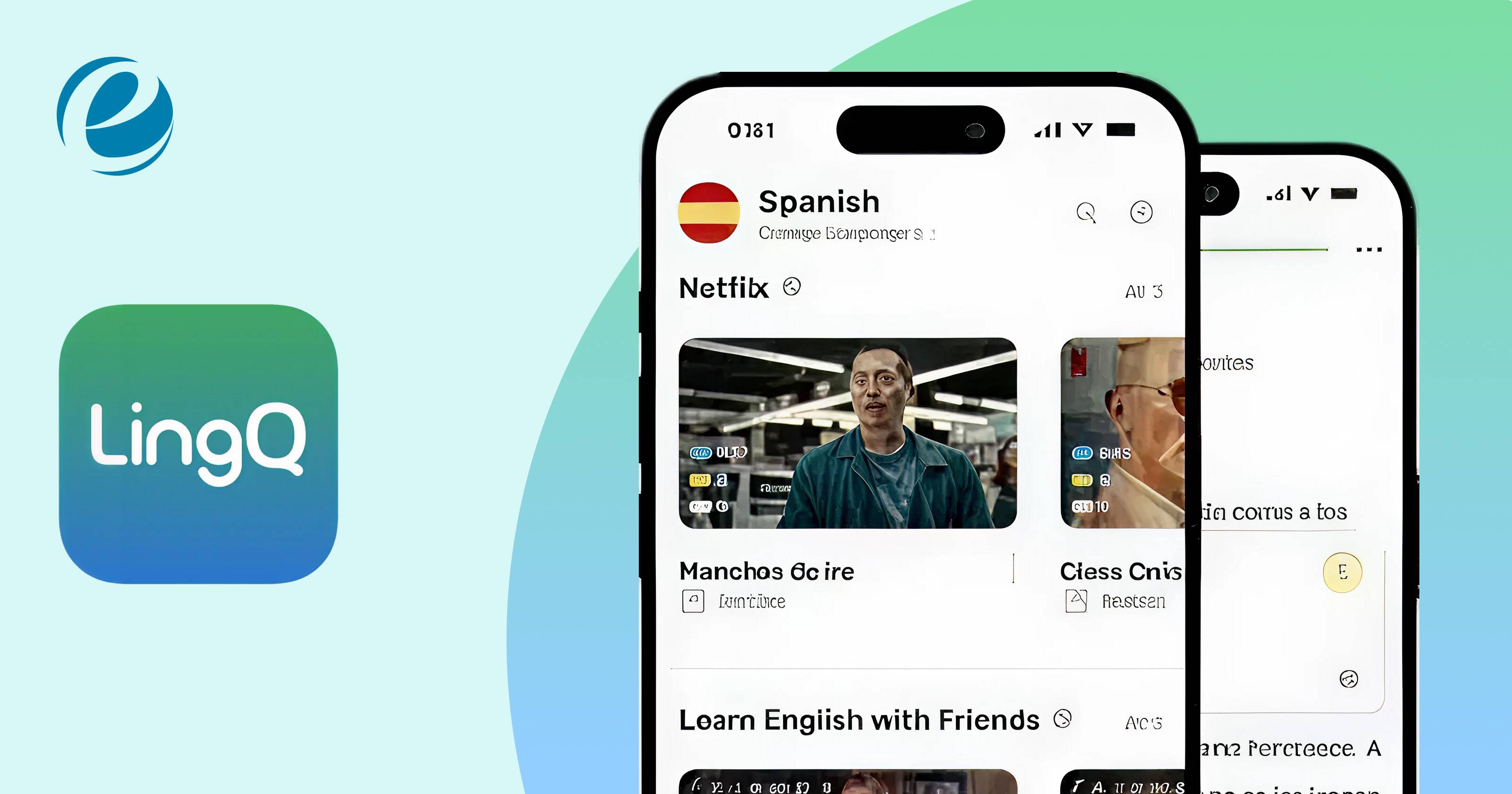
LingQ, the high-end application that trains rich content reading, understanding, and fluency in language learning, gets its power from a sturdy content library and specially designed personalized paths for teaching that are best for reading-centered learners.
- Target Audience: The readers who are keen to learn through hard-to-study languages.
- Features: Huge content library, personalized learning path.
- Why It’s Great: It focuses on reading and understanding skills.
- Best For: Learners who are trying to become fluent by using real content.
Drops
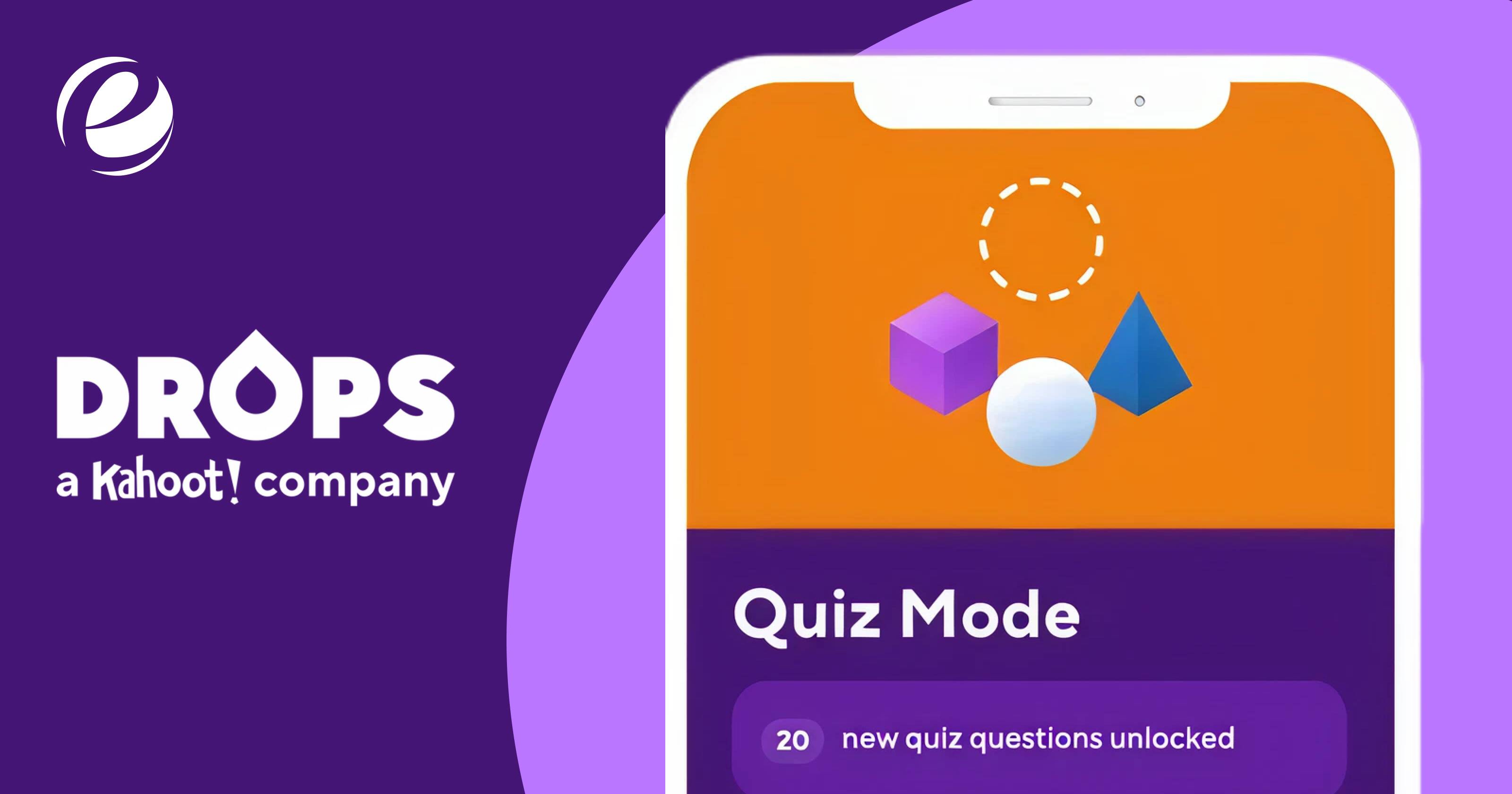
Drops is a no-cost language-learning app, which is very fast and visual, and at the same time uses mnemonic techniques, and is mainly directed at professionals who want to expand their vocabulary and are always on the move.
- Target Audience: Learners who like quick and visual methods.
- Features: Condensed sessions, mnemonic images, vocabulary focus.
- Why It’s Great: Very engaging, visual-based rapid learning bursts.
- Best For: Those getting short on time and wanting a quick vocabulary gain.
HelloTalk
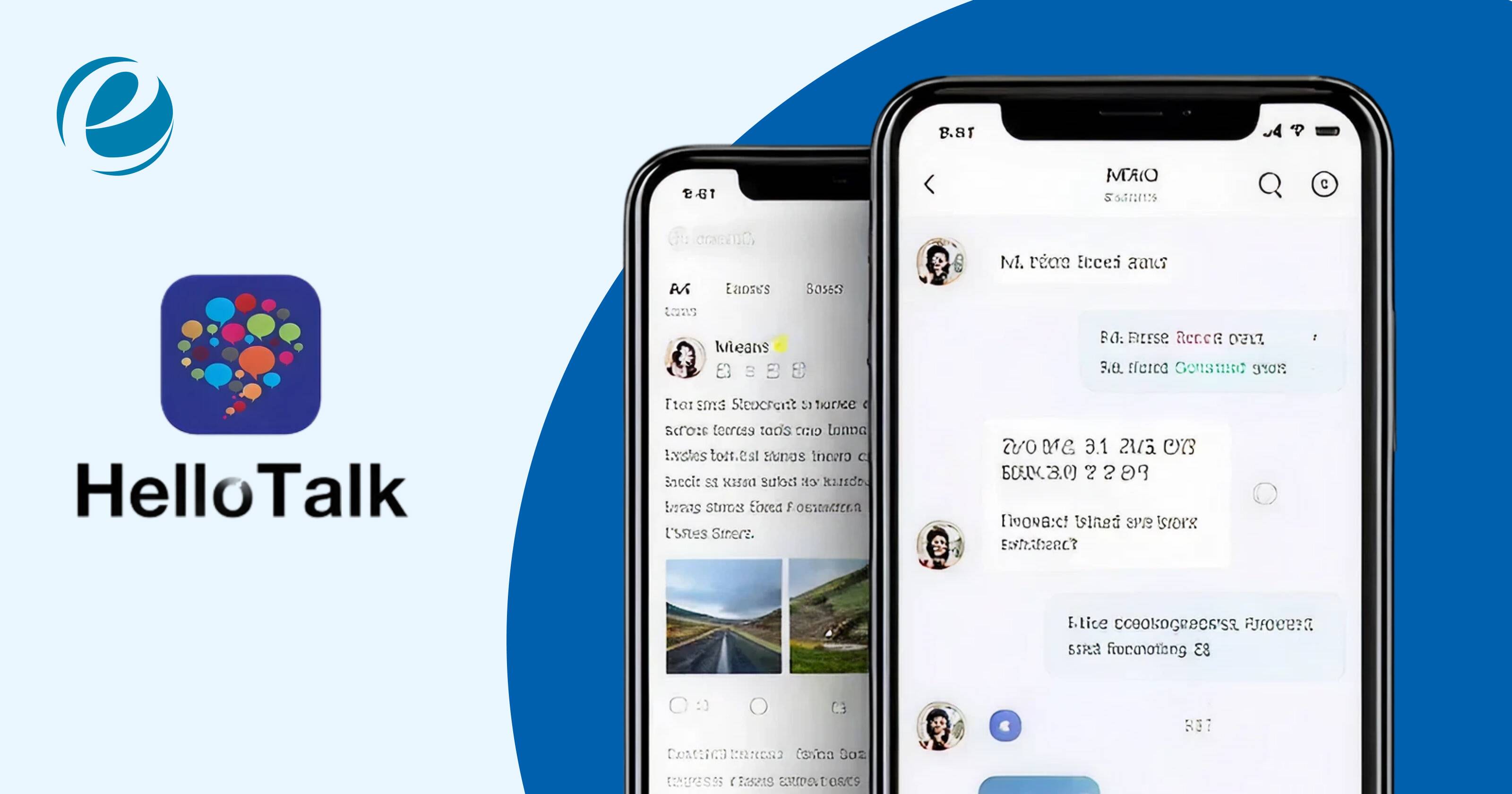
HelloTalk is a social language learning application that allows communication with native speakers through text and voice chat, and thus becomes a great tool for interactive language learning.
- Target Audience: More social learners and those looking for language swapping.
- Features: Native speakers’ text and voice chat, along with the users’ correction tool.
- Why It’s Great: A conversation with the whole world community is real.
- Best For: Language exchange and social practice.
Pimsleur
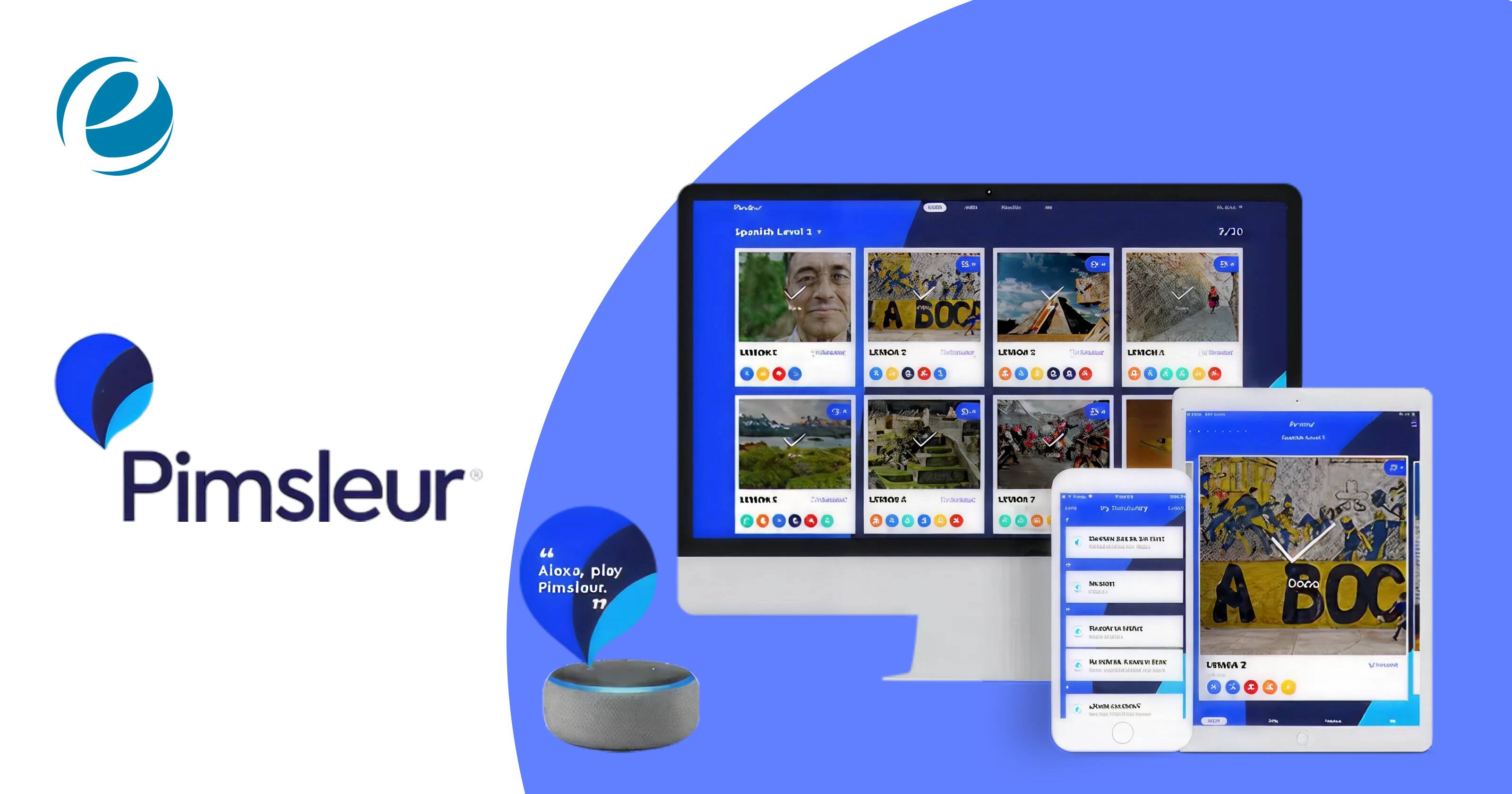
A language learning application with an audio-based method that gives priority to speaking and listening skills. Very good for auditory learners, and people who want to study while commuting can use it.
- Target Audience: Audio learners.
- Features: Only audio lessons, listening with breaks in between, and focus on pronunciation.
- Why It’s Great: You can talk while you are learning, and your hands will not be tied at the same time.
- Best For: Auditory learners and commuters.
Mondly
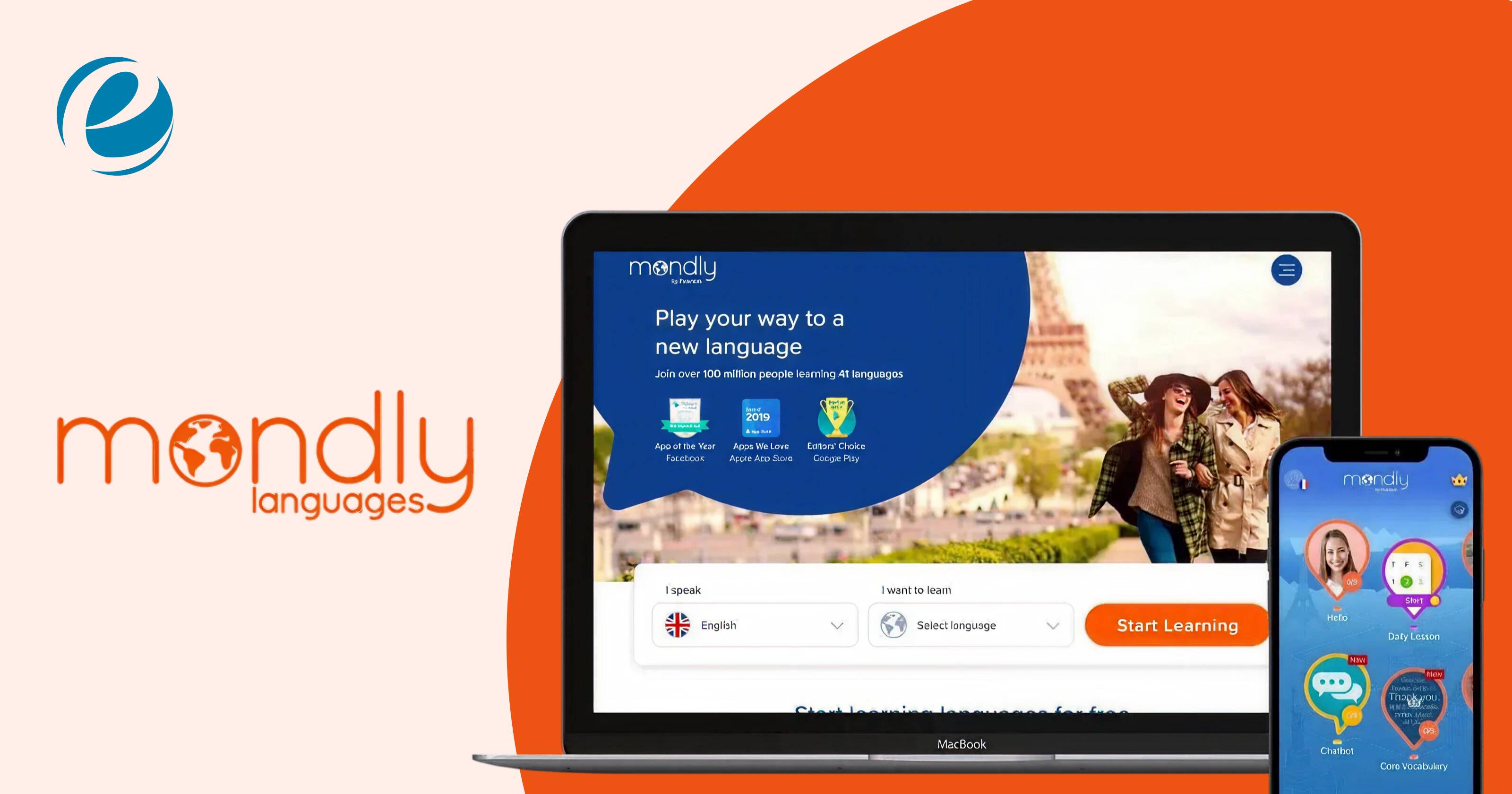
Mondly, a language learning app that includes integration of gaming with AR and VR technologies, chatbot dialogue, and other types of conversations, as well as the overall experience of learning. It would be an ideal choice for the tech-savvy classes that demand interactive lessons.
- Target Audience: Tech-savvy learners.
- Features: AR/VR lessons, chatbot conversations, quizzes.
- Why It’s Great: The rare AR/VR learning environment that is interactive and playful at the same time.
- Best For: Those who like new technologies and dynamic interaction.
Lingodeer
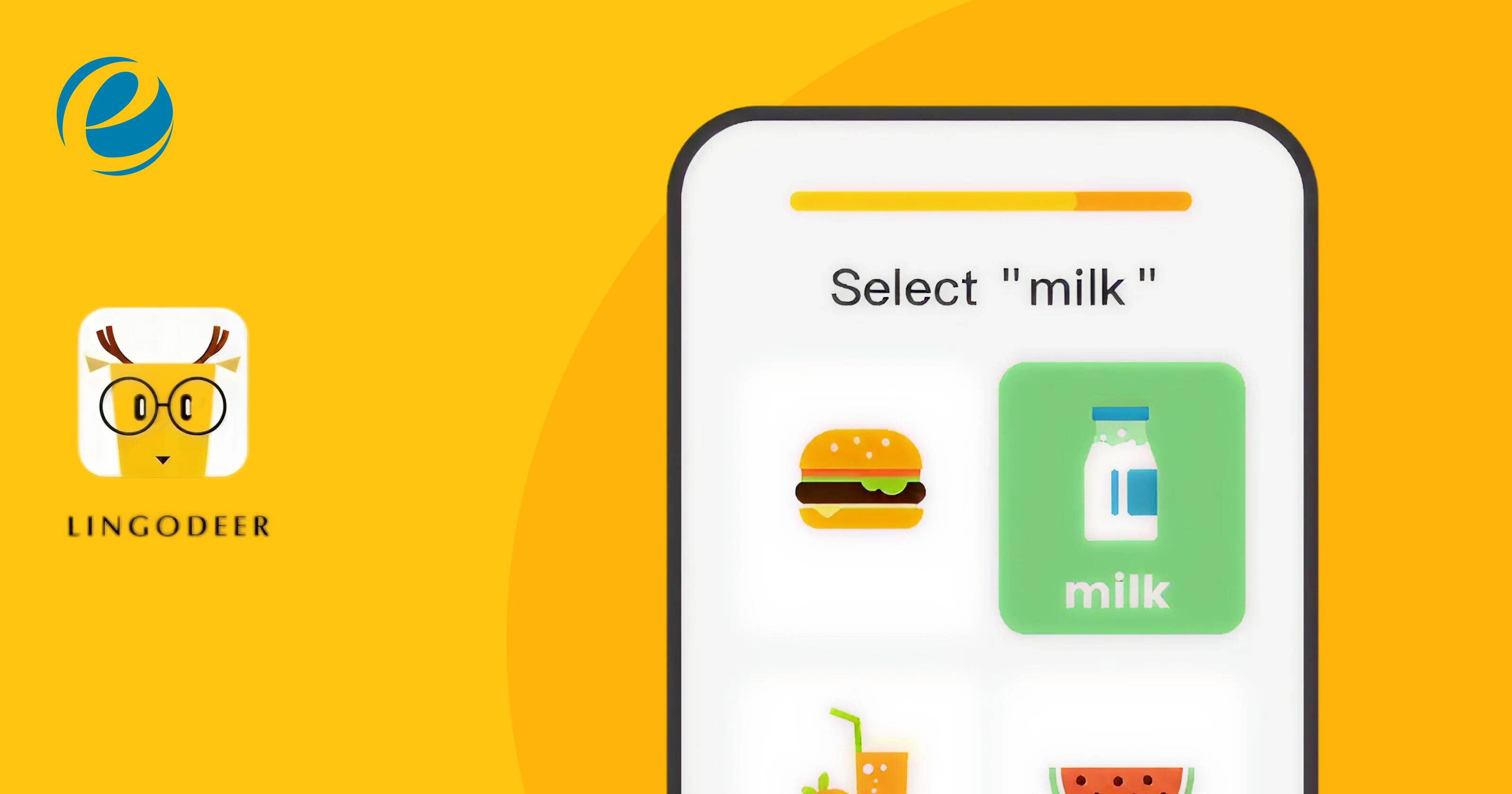
Lingodeer is one of the best learning languages apps that are hard to master, such as Japanese, Korean, and Chinese, since it supports grammar and quizzing at fine in-depth levels.
- Target Audience: Learners of Asian languages.
- Features: A few grammar lessons, interactive exercises, and quizzes.
- Why It’s Great: A systematic approach to the teaching of especially difficult Asian languages.
- Best For: Learners of Japanese, Korean, and Chinese.
Clozemaster
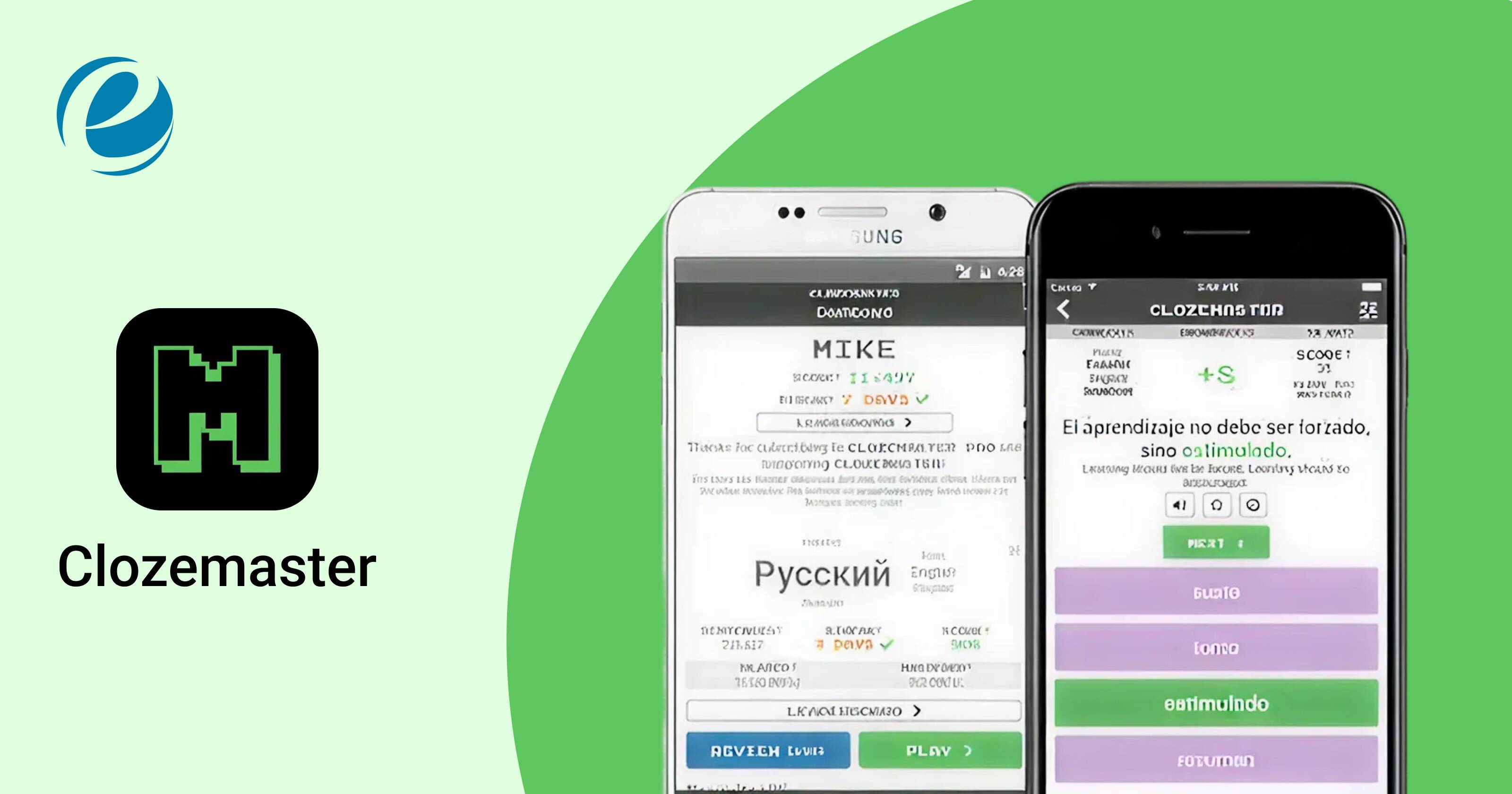
A gamified app for acquiring vocabulary in context will be very helpful for learning and practicing sentence structures in actual contexts.
- Target Audience: Intermediate and advanced language learners.
- Features: Sentence structure practice, vocabulary learning through games.
- Why It’s Great: The creation of context for learning is a consequence of the method used.
- Best For: Advanced learners who are doing a lot of practice.
Speechling
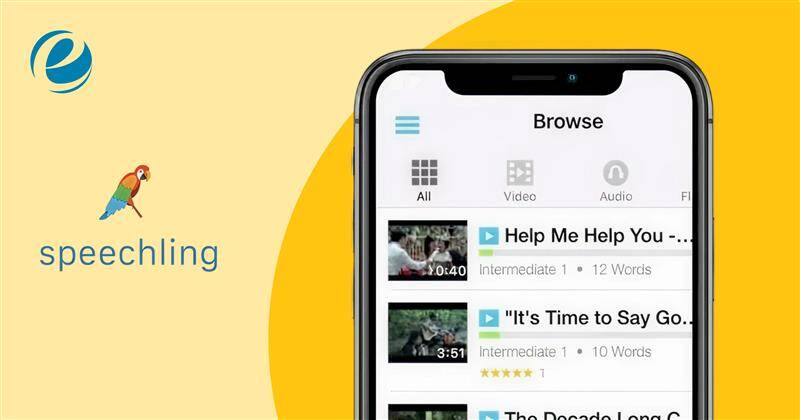
Speechling is one of the best learning languages apps that is very much about pronunciation and has an AI as a partner in speech analysis and coaching. This app is one for confident speakers who, at the same time, are getting expert feedback.
- Target Audience: Learners who put a focus on pronunciation.
- Features: AI provides speech feedback and coaching with native speakers.
- Why It’s Great: Individualized pronunciation training backed up by expert feedback.
- Best For: Learners who consider speaking to be the most important skill.
SignSchool
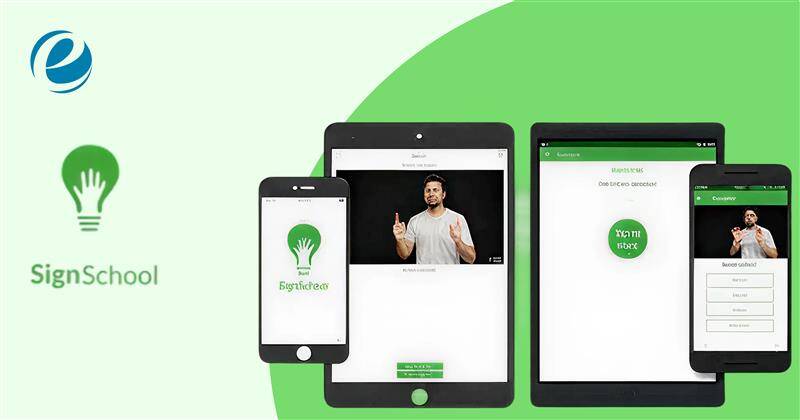
The best app to learn sign language is SignSchool, particularly for the deaf and hard-of-hearing persons, along with sign language students, offers, through video lessons and quizzes, the complete package in a sign language context.
- Target Audience: The deaf community and people learning sign language.
- Features: Video lessons, sign language dictionary, and quizzes.
- Why It’s Great: It is a training method that is both effective and comprehensive in a sign language context.
- Best For: Individuals who are learning sign language.
Tandem
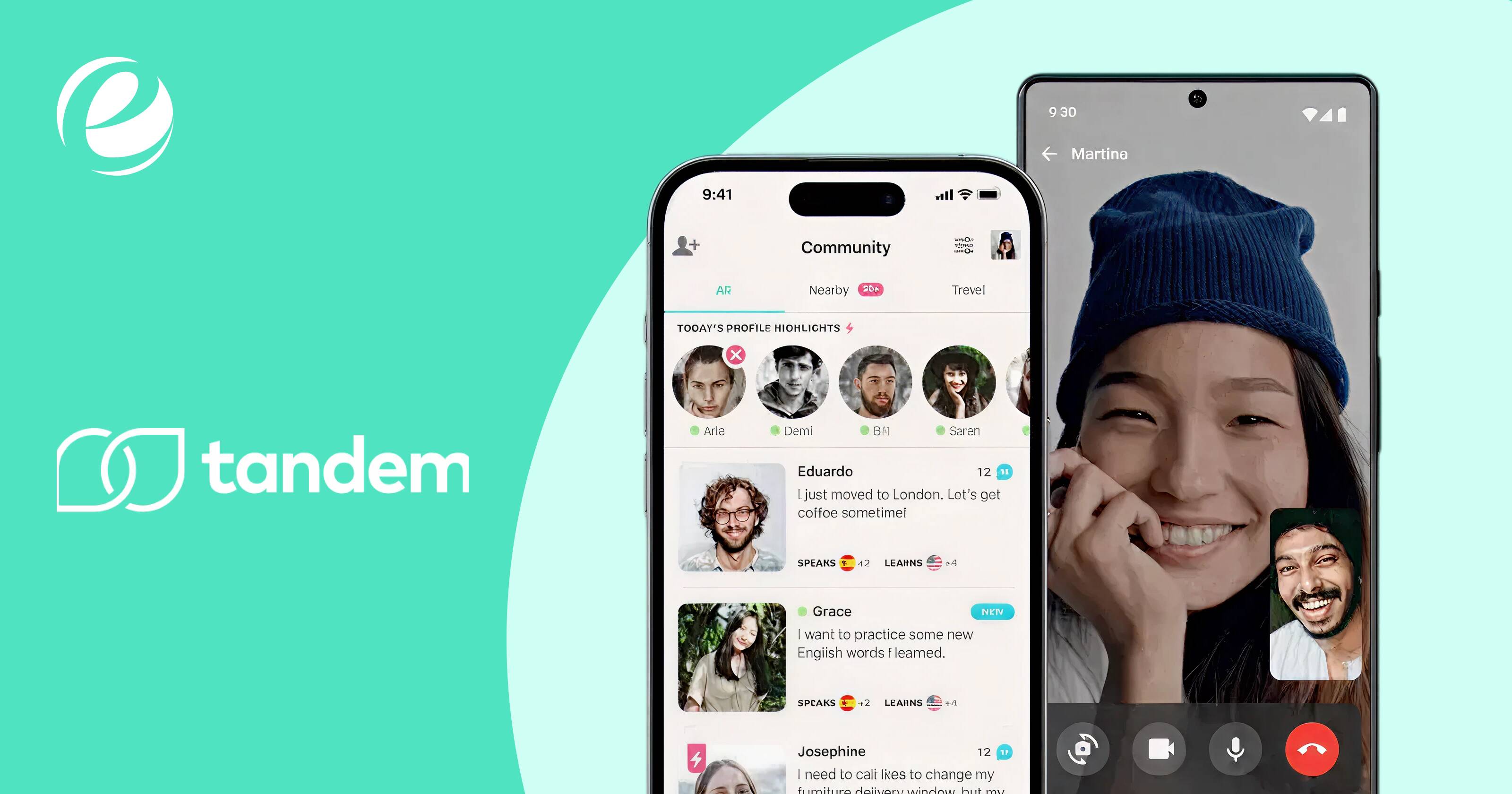
This is a language exchange app that connects its users to the native speakers of the world via voice, text, and video, which is a very nice way for social learning and practicing conversation skills.
- Target Audience: Social interaction seekers.
- Features: Language exchange via chat, audio calls, and video calls.
- Why It’s Great: It brings together students from different parts of the world to practice together.
- Best For: Instant language exchange.
Beelinguapp
A dual-language reading application that also features an audio option for the books being read, thus making it a great tool for the simultaneous development of both reading and listening comprehension skills.
- Target Audience: Reading-focused learners.
- Features: Two-language texts side by side, and audiobooks in those languages.
- Why It’s Great: It improves both reading and listening comprehension.
- Best For: Bilingual reading and listening practice.
Rocket Languages
An extensive application that features audio recognition as well as notes about the culture. It is ideal for profound learners who expect to master conversation and get into the world of culture.
- Target Audience: Serious learners.
- Features: Includes Interactive lessons with notes on culture and speech recognition.
- Why It’s Great: The entire article is focused on conversations as well as culture.
- Best For: Learners seeking complete language mastery.
Mango Languages
It focuses on enhancing proficiency in language and understanding of culture. It is the best app to learn a language that can help in travel and business communication.
- Target Audience: Business and Travel learners.
- Features: The content includes a practical understanding of culture and language and recordings of lessons.
- Why It’s Great: Best language learning apps for travel and professionals alike.
- Best For: Best language learning apps for travel and work.
Lingvist
AI-engineered software to help you acquire languages that allow personalization of vocabulary development and monitoring of progress, perfect for those driven by data and who need to speed up learning.
- Target Audience: Data-driven learners.
- Features: AI-personalized vocabulary, progress tracking.
- Why It’s Great: Utilizes AI to improve vocabulary acquisition.
- Best For: Learners who are looking for AI powered language learning app.
Hello-Hello
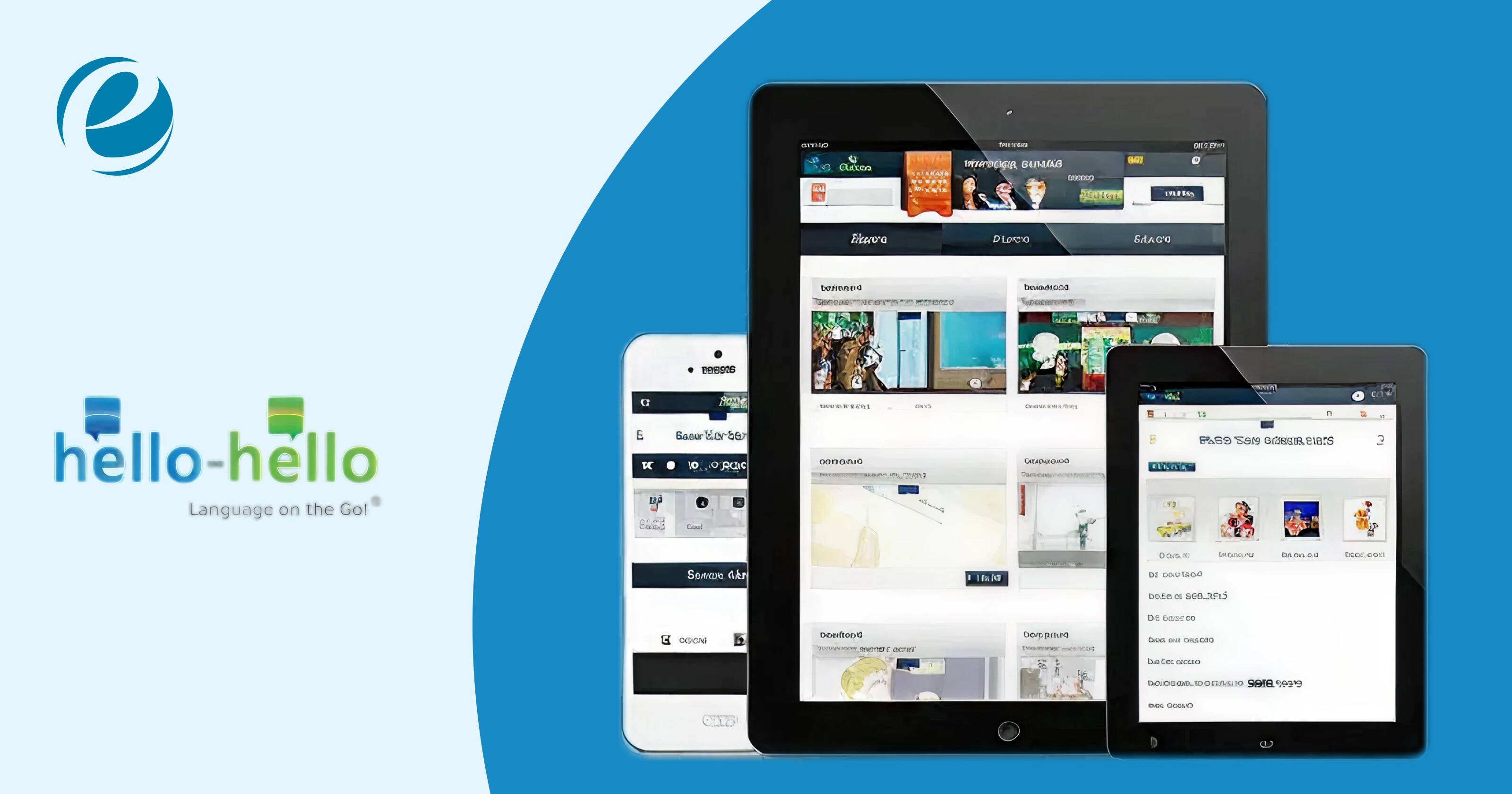
Hello-Hello app blends fun games with interactive exercises. It offers an array of depth in learning and accessibility that is perfect for both casual and organized learners.
- Target Audience: The intended audience is casual and formal students.
- Features: Features like games, practice for conversations, and review tools.
- Why It’s Great: What’s so great about it is that it combines casual fun with academic depth.
- Best For: It is ideal for students who need a balanced app with features.
Note: AI in mobile app development already means the user enjoys real-time voice recognition and pronunciation feedback, and this consequently accelerates the language learning process.
Best Language Learning Apps Free for Travel, Business, Exam Prep & Offline Use
The best language learning apps free for various purposes like travel, business, exam, deaf users, and offline use provide personalized features to not only meet different types of learners but also to be accessible in different ways.
Travel Language Learning Apps
Taalhammer, Memrise, and Mondly are just a few of the apps that concentrate on speaking practice in realistic travel cases. They are available offline; therefore, the best language learning apps for travel are the ones that allow you to learn on the go and be sure of your knowledge.
Business Language Learning Apps
Babbel and Mango Languages offer organized lessons that highlight professional vocabulary and cultural differences. They are the best language learning apps free for work-related proficiency that guarantee good communication in a business environment and career growth.
Exam Preparation Apps
Rocket Languages and LingQ grant access to in-depth grammar, vocabulary, and practice tests, all designed for exams like TOEFL, DELF, and IELTS; thus, they are the best language learning apps for exam success.
Apps for Deaf Users and Sign Language
The best app to learn sign language that offers interactive tools for effective understanding is SignSchool, and Hello-Hello, which is the best app to learn sign language, based on visual and video lessons.
Offline Language Learning Apps
Duolingo, Rosetta Stone, and Busuu make it possible for learners to download lessons and practice offline. Therefore, such services in free language learning apps are essential for learners who do not have constant internet access.
The above-mentioned applications can be marked as either best language learning apps free, but they help to serve specialized goals by AI-assisted interaction and also by the educational depth they possess.
How to Choose the Best Language Learning App for You?
The ideal language learning application would be the one that accepts your individual way of learning, your goals, and the app’s features that you need most as primary factors in your selection.
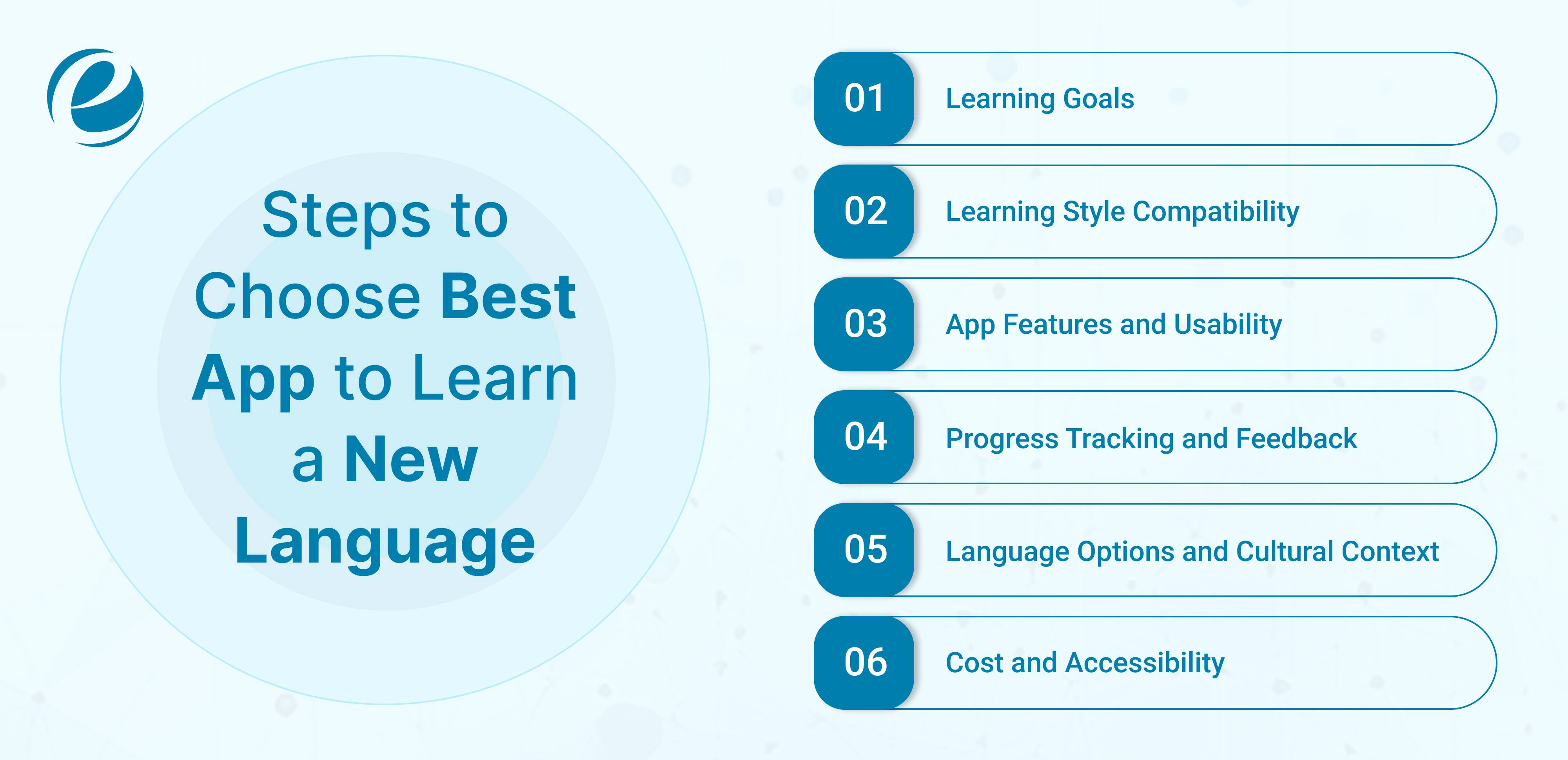
Learning Goals
Determine whether your priority is travel, career, fluency, or exam preparation. This is a necessary step in choosing the app that is capable of teaching you the language of your dreams.
Learning Style Compatibility
The apps with the highest quality will be those that match your personal preferences, visual, auditory, and so on, thus not only making your learning process more enjoyable but also retaining your memory of the new language longer.
App Features and Usability
In addition to considering language-learning apps, always take a look at their features, such as an easy-to-use interface, game-like environment, AI-supported performance assessment, and accessibility without the internet, to find the ones you like.
Progress Tracking and Feedback
Go for the apps that not only offer you the data but also keep you in the loop with your performance all along, so that you remain enthusiastic and improve your skills quickly.
Language Options and Cultural Context
Think of those apps that provide you with the greatest amount of tools for your whole learning process, such as a multilingual dictionary, grammar assistance, and cultural engagement through language learning.
Cost and Accessibility
Considering the combination of complementary features and premium upgrades, as well as device compatibility and offline access, find a spot for flexible learning anytime.
Common Challenges and Limitations of Language Learning Apps
Good language learning apps still have concerns and limitations that are quite common, such as no interaction with real people, difficulty with motivation, little cultural knowledge, and not being able to engage users for a long time, which results in inconsistency in usage.
Limited Real Interaction
Most language learning applications do not provide ways for users to practice speaking and listening in an authentic manner, which is the ultimate goal of learning a language for communicating fluently.
Motivation and Consistency Issues
Users often find it difficult to keep up the motivation, as the apps may turn out to be boring or fail to provide personalized support, which in turn affects their regular progress.
Shallow Cultural Context
Most apps pay a lot of attention to vocabulary and grammar, but not to cultural immersion, thereby limiting the learners’ understanding of different contexts and nuances.
Engagement Over Time
Learning by playing happened to be very interesting at first for the users, but after a while, they got bored with doing the same things with no new challenges, and it resulted in less engagement and less effective learning in the long run.
App Limitations Across Platforms
Mobile applications usually provide fewer features compared to their web versions, which in turn lessens the richness of the learning experience and negatively impacts the areas of progress tracking and using advanced learning tools.
Why Are Language Learning Apps Changing the Game for Modern Learners?
Language learning applications have transformed access to education for present-day learners by providing things like AI tutors, AR/VR immersion, individualized chatbots, offline modes, and content that is rich in culture.
AI Tutors for Personalized Learning
The AI powered language learning app modifies both the material and the pace according to your progress, thus making the language learning app the most personalized and efficient one for the diverse group of learners.
AR/VR Immersive Experiences
The use of augmented and virtual reality in language learning apps provides the user with active, real-life environments where the user is engaged in cultural immersion and practicing speaking.
Cultural Content Integration
The majority of the best language learning apps have already started the process of making language learning more holistic by combining the teaching of language with the sharing of cultural knowledge.
Accessible and Flexible Learning Tools
The availability of learning through mobile and web platforms allows for learning to take place anytime and anywhere. Offline modes are also provided to ensure that users can keep practicing without being limited by internet availability.
Personalized AI Chatbots
AI-powered chatbots not only take the users through interactive speaking practice but also give instant feedback and motivate them. This ultimately results in more engagement in the good language learning apps, whether they are free or subscription-based.
Build Your Next Language Learning App with Emizentech
Be the partner with Emizentech in your next language-learning app, where the experts will combine creativity and customer-centered design for an interactive, AI-driven, and educational experience.
Customized Solutions
The Emizentech team develops language-learning apps tailored to each client and built on a modern, intuitive user interface and experience, providing an easy-to-use application that perfectly fits your objectives.
Expert Developers
The company assures the web development of strong and sustainable software with the help of its talented group of developers, who also work with the most advanced tools, including the application of AI powered language learning apps.
AI and Gamification Integration
Combine an AI chatbot, voice recognition, and game-like features to increase engagement and interaction in your proprietary language-learning app.
Security and Support
The team prioritizes data security and representation support, so it provides the necessary updates and maintenance to ensure the success of your language-learning app.
End-to-End Development
Emizentech has the capability of providing full-cycle mobile app development from concept and design to deployment and maintenance; therefore, the company offers comprehensive solutions.
Conclusion – Find the Perfect App That Matches Your Language Goals
Finding the perfect language-learning app depends on your personal goals, preferred learning styles, and tastes. Among the user-specific content, app functions such as AI-powered help, playfulness, offline usability, and cultural immersion, the guide highlighted the most vital aspects.
Among the top language learning apps, some differ in their approach; some are excellent in interactive speaking practice, however, others simply provide a wealth of vocabulary training or community support.
The moment you have a good combination of usability and educational depth, long-term progress is guaranteed. Ultimately, the app you choose will keep you motivated and readily adaptable to your lifestyle, leading to the best language acquisition. Walk this personalized approach to transform your language-learning journey into one that is both fun and successful.
In the end, if you want to build such a language learning app and you are confused about “how to develop a language learning app,” then consider this guide.
FAQS
Can I use the app offline?
Absolutely, several language learning applications provide an offline mode that allows learning on the way you go.
Are these apps suitable for beginners?
Surely most applications are meant for the very first users and casual learners.
Do apps help improve speaking skills?
Yes, the use of features such as speech recognition and pronunciation feedback grants the ability to speak easily.
Are there free language learning apps?
Certainly, a lot of apps offer free basic features and have optional premium upgrades.
Can I learn sign language with apps?
Yes, there are apps like SignSchool that are the best app to learn sign language through practice.



 +1 (989) 535-9295
 info@emizentech.com
 emizentech


