
 Add us as a preferred source on Google
 In an age where fitness and health have become the main focus of our lifestyles and choices, fitness apps are an essential guide for millions in their quest to stay healthy. This trend led to significant growth, as the majority of people were confined to their homes and forced to use nutrition and fitness
The number of fitness app downloads and engagement has increased, as users are more inclined to reach their fitness and health goals from the convenience of their homes. Because diet and nutrition app development offers accessibility and flexibility, the majority of users choose to pursue their goals in this way. Therefore, most diet and nutrition mobile app development
One of the most prominent names in the fitness app industry is MyFitnessPal. It’s an iconic success story. The evolution of a revolutionary idea into an established brand isn’t only inspirational but also demonstrates the vast possibilities in the realm of health technology. Over the years, MyFitnessPal has transformed from an idea into a recognized leader in the field of health technology.
It is a highly competitive industry, with established players like MyFitnessPal and innovative startups offering distinct options. To lead the fitness industry, one must create a nutrition and fitness
If you’re considering diet and nutrition app like MyFitnessPal, then this blog will provide all the details you need.
Key Fitness App Industry Statistics You Should Know
To enter the nutrition and fitness
So, we’ve compiled a list of important facts and figures in the nutrition and fitness
- The fitness apps market was valued at $13.78 billion in 2023 and is expected to grow to $48.53 billion by 2030.
- About 19% of mobile owners use at least one app for health monitoring, which could pertain to food, exercise, nutrition, or other factors.
- As of January 2025, MyFitnessPal was the top sports and fitness mobile application, with in-app revenue exceeding $16.3 million.
- The majority of in-app purchase revenue that fitness apps generate comes directly from the United States, making it the largest marketplace for fitness apps.
What Is The MyFitnessPal App?
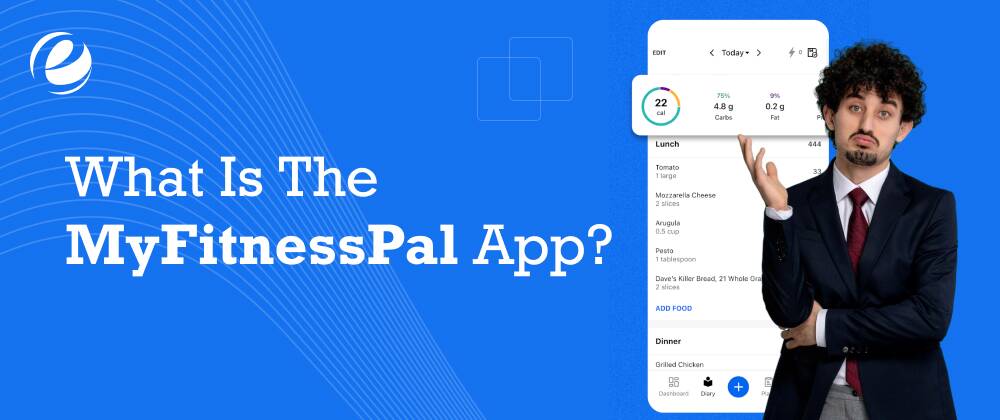
MyFitnessPal is a comprehensive fitness application designed to help users achieve their health goals by tracking food intake, exercise, and overall health. MyFitnessPal app includes a database of over 14 million food items, allowing users to record their food consumption, track calories, and monitor macronutrients such as carbs, protein, and fats.
If you’re working on losing weight, maintaining your weight, or building muscle, MyFitnessPal personalizes daily calorie goals based on the information users provide, including age, weight, and physical activity level. However, it’s much more than just a calorie counter.
It also tracks workout progress, which can be synchronized with popular fitness devices like Fitbit and Apple Watch. This ensures users get a complete overview of their fitness levels, including the total number of steps taken and calories consumed. What sets MyFitnessPal apart is its social-networking approach. App users can easily connect with their friends, join groups, and even participate in challenges. All of this helps boost motivation and accountability.
Benefits Of Developing a Fitness App like MyFitnessPal
A nutrition and fitness
1. Market Surge and Health Consciousness
With the global fitness app market expected to reach $15.96 billion by 2026, there’s a significant increase in the number of users. The ever-growing population of health-conscious individuals is seeking specific solutions, creating an ideal market for a player to make a major impact.
2. Monetization Potential and Revenue Streams
The financial outlook for the nutrition and fitness
3. Data Collection For Better Services
Fitness apps gather valuable data on user behavior, preferences, and objectives. This data enables businesses to improve their services, personalize experiences, and design targeted marketing strategies to boost user engagement.
4. Brand Recognition and Engagement
A well-designed and developed nutrition and fitness
5. Financial Security
Starting a fitness-related business can be challenging and costly, especially when managing physical stores. But fitness apps like MyFitnessPal eliminate these limitations. With the rise of no-code development, it’s now simpler and more affordable to build an app-based business. This opens doors to sponsorships, investments, and monetization opportunities, helping you achieve financial independence.
Must-Have Features Of a Nutrition and Fitness App Like MyFitnessPal
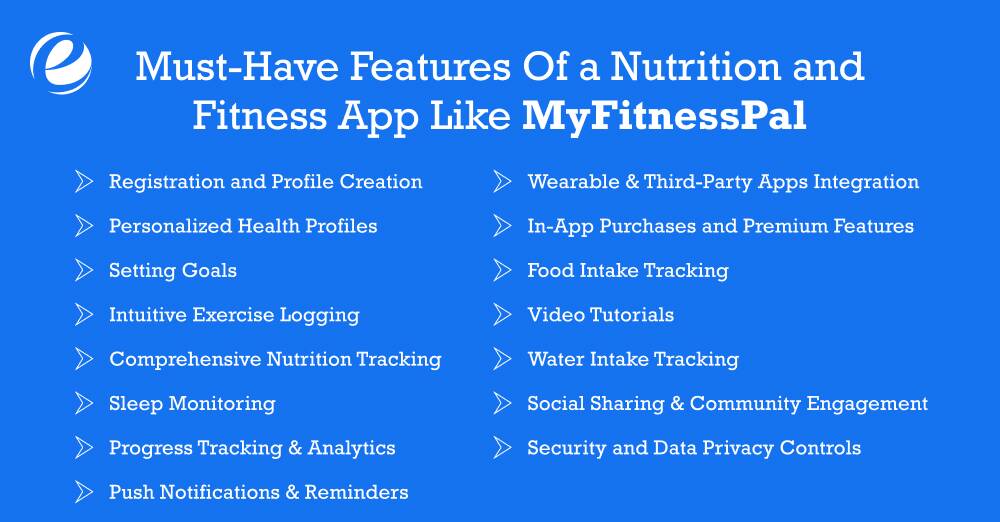
Nutrition and fitness
1. Registration and Profile Creation
Accounts are essential as they allow app users to store and manage their personal information, even when changing devices. First-time users should be able to create their accounts via social media. Users tend to dislike lengthy and complicated registration processes.
The registration process can be kept simple and easy. A basic user profile might include the name, size, weight, height, email address, phone number, and profile picture. Registration can be completed once the app sends a verification code to the mobile number or email address.
2. Personalized Health Profiles
The personalized health profiles feature is central to the user’s experience in a fitness app. Users start by entering key information like weight, height, and fitness goals. This simple data entry forms the basis for a personalized dashboard tailored to each user.
This feature turns abstract fitness goals into achievable targets. Users receive a visual representation of their progress, which fosters motivation and a sense of accomplishment. The Personalized Health Profiles feature is not just a database of information; it’s an ongoing record of one’s fitness journey.
3. Setting Goals
People download fitness and nutrition apps with the goal of becoming healthier. Most users aim to lose weight, treat a condition, or maintain their overall health.
Allowing users to set goals based on their needs enhances their experience. When users feel the app understands their objectives, they believe it can offer specific health advice tailored to their information.
4. Intuitive Exercise Logging
The intuitive exercise log feature acts as a virtual workout partner, making it easier for users to track their fitness activities within the app. It offers a unified platform for recording various exercises and includes a comprehensive exercise database.
Beyond being a simple record-keeping tool, the intuitive exercise log helps turn fitness goals into achievable milestones. Users receive personalized insights into their training habits, which helps keep them motivated and focused on their fitness goals. This feature of the app acts as a very powerful motivational tool, making the fitness experience easier and more enjoyable for users of all levels.
5. Comprehensive Nutrition Tracking
The comprehensive nutrition tracking feature acts as a nutritional compass within the fitness app. Users log the amount of food they consume each day, utilizing a large food database that allows for easy tracking of calories, macronutrients, micronutrients, and caloric intake.
More than just a simple food journal, comprehensive nutrition tracking turns nutrition goals into concrete results. Users gain a clearer picture of their dietary habits, helping them maintain a healthy and balanced diet. It is an effective tool for overall health, simplifying nutrition while encouraging healthier eating habits.
6. Sleep Monitoring
Next feature to include in your nutrition and fitness
Tracking statistics like total sleep duration, time spent in deep, light, or REM sleep, movements, or snoring can provide users with vital information to improve their quality of life. Tracking when it’s time to go to sleep or wake up can also be measured and reported, giving app users additional insights.
7. Progress Tracking & Analytics
Everyone loves to see the fruits of their labor. Users can track their progress using graphs and charts that show gains in muscle mass, weight loss, and daily calorie consumption. Summary reports for each week, including calories consumed and burned or which days goals were reached keep users motivated for consistent improvement.
Some apps go a step further by offering progress reminders and monthly updates. Additionally, many apps reward ongoing participation with badges for meeting specific targets.
8. Push Notifications & Reminders
Push notifications are a great way to keep users engaged, especially when they are busy. These reminders can increase retention by prompting users to record meals, drink enough water throughout the day, or encourage them to stay active all day long.
You can also send motivational messages when users reach their goals or keep them focused on continuing their fitness journey. Customize push notifications with personalized messages like, “Great effort staying within your calories! Ready for a 10-minute walk?” rather than the generic, “You’re not meeting your calorie goals ” can attract app users.
9. Wearable & Third-Party Apps Integration
Smartwatches and wearables are the primary devices that fitness enthusiasts use for inspiration. The nutrition and fitness
This can be achieved through third-party apps like Google Fit or Apple HealthKit, ensuring users don’t have to manually track their exercise or activities. The ability to integrate this data into the app for a comprehensive view of fitness will make the app more relevant and useful to users.
10. In-App Purchases and Premium Features
The ability to monetize is a crucial factor in the successful nutrition and fitness
Revenue from recurring transactions can be generated through a subscription system, such as the premium version of MyFitnessPal, which offers greater insights and analytics. In-app purchases can also be made for specific options, such as workout programs created by celebrities or nutritionists.
11. Food Intake Tracking
This feature is essential because a diet program for weight loss or gain is incomplete without it. It allows users to document and monitor their food consumption. By tracking calorie intake in real-time, users can follow the right diet more effectively.
For simpler tracking, this feature must be linked to a barcode scanner. These two features make the app efficient in recording information. Additionally, it helps organize grocery lists and offers healthy food recipes.
12. Video Tutorials
Training videos are perfect for those looking to get healthy on their own but unsure where to start. These tutorials will demonstrate effective techniques for completing exercises. Easy to follow, they provide important health tips and target different body areas.
This feature of nutrition and fitness
13. Water Intake Tracking
Water is essential for the proper functioning of the body, and staying hydrated is key to maintaining good health. The water intake tracking feature helps users ensure they are drinking the recommended 1-2 liters of water each day.
The fitness app sends push notifications to remind users to drink water throughout the day, which makes it easier to stay on track. This feature supports hydration, boosts energy levels, improves digestion, and helps users stay focused on their fitness goals. It’s a simple and effective way to maintain proper hydration and overall wellness.
14. Social Sharing & Community Engagement
Exercising is often more enjoyable with companions. By incorporating social features, users can share their achievements on social media and within the app’s community. Challenges can be created where participants compete to achieve fitness or personal goals. The app can reward winners with certificates or other app-specific prizes.
Creating a community within the nutrition and fitness
15. Security and Data Privacy Controls
Security and data privacy controls are essential for protecting against security threats. They ensure the privacy and security of user data. Administrators are equipped with the tools to implement effective security measures while adhering to industry standards and regulations.
These controls give users confidence that their private information is handled with care. Admins play a very important role in creating a safe environment, enhancing the app’s credibility and gaining user trust.

Advanced Features of Fitness Apps like MyFitnessPal
Let’s explore the advanced features of nutrition and fitness
1. AI-Powered Personalization
AI-powered personalization transforms the way you exercise by using artificial intelligence to provide suggestions and strategies based on an individual’s preferences, goals, and objectives. The advanced technology adapts and evolves, offering customers a dynamic, personalized health and fitness experience.
2. Deep Analysis Dashboard
User behavior and general usage patterns in the app generate valuable insights. Dashboards help increase your understanding by creating custom metrics and analysis reports, allowing you to track and optimize your fitness journey.
3. Biometric Integration
Biometric integration seamlessly connects with devices that track biometrics, such as heart rate monitors and smartwatches. Along with standard health metrics, this feature transforms the app into a comprehensive wellness companion, offering users deeper insights into their health.
4. Virtual Health Coaching
Virtual health coaching introduces a customized, interactive feature that allows users to receive advice and support from virtual health professionals. This feature goes beyond auto-generated suggestions, offering immediate guidance, motivation, and feedback. Virtual Health Coaching adds a personal touch to workouts, fostering accountability, support, and individualized direction.
5. Augmented Reality (AR) Workouts
Augmented reality (AR) workouts add an exciting new dimension to fitness by overlaying digital components onto the real environment. Users can participate in immersive exercise sessions, follow virtual trainers, or engage in fun challenges within their own space. AR turns fitness into an interactive game, making exercise routines more enjoyable and engaging.
6. Integration Into Smart Equipment
This advanced feature enhances the exercise experience by seamlessly connecting with smart gym equipment. Users can sync their apps with smart treadmills or strength-training equipment, improving workout tracking and creating a more integrated health and fitness experience. Integration with smart equipment ensures accurate data capture and simplifies workout tracking, offering a unified fitness regimen.
Steps To Develop a Fitness App Like MyFitnessPal
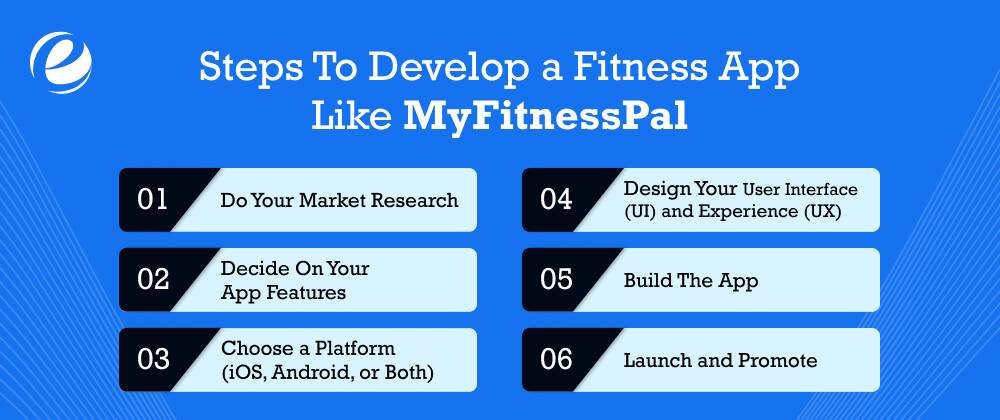
MyFitnessPal is indeed one of the most popular nutrition and fitness
Follow the steps below for developing a fitness app like MyFitnessPal:
1. Do Your Market Research
To create an app similar to MyFitnessPal, start by researching the fitness app market and identifying your target audience. Explore popular apps like MyFitnessPal and Fitbit. Learn what users love about these apps and what they feel is missing. This will help you identify features your app should include and how to make your app more effective than competitors.
2. Decide On Your App Features
After completing your research, it’s time to define the purpose of your nutrition and fitness
3. Choose a Platform (iOS, Android, or Both)
Decide whether you’ll target iOS, Android, or both platforms. This decision is dependent on your target audience, budget, and other factors. Most nutrition app developer
4. Design Your User Interface (UI) and Experience (UX)
The usability of your nutrition and fitness
5. Build The App
Now comes the technical phase. Work with your design team or a fitness app development company to bring your fitness app idea to life. Ensure the app is reliable, scalable, and compatible with various devices. Testing is very important to identify and fix bugs before launching.
6. Launch and Promote
Launching your app is just part of the process. After the app has been launched, it is essential to come up with a plan to promote the app in order to get it noticed. One effective way to spread word about your app would be to use social media in promotions, partnerships with fitness experts, as well as giving free trials. Once the app is launched, app users comments do wonders, use it to improve the application.
Why Choose EmizenTech for Fitness App Development
With a proven track record in diet and nutrition app development
By choosing EmizenTech as your development partner, you gain access to extensive experience and a commitment to delivering high-quality solutions. Partnering with us means you get more than just a development team; you gain a partner who is equally invested in the success of your application.
Conclusion
Many people around the world strive to get fit. Health and fitness apps aid people in taking their first step towards living a healthy life. Creating a fitness app like MyFitnessPal is an incredibly profitable business opportunity. However, developing an app similar to MyFitnessPal requires more than just building a tool to calculate calories. Imagine that your app may be the thing that can help someone eat better and help them live a healthy life as well as feel more confident about themselves.
The possibilities are endless, which is why it’s important to ensure you’re getting it right from the start. While this might seem daunting, we understand that building a nutrition and fitness
FAQs
How much does it cost to build a fitness app?
The cost to build an app similar to MyFitnessPal can vary depending on the complexity of its features, capabilities, and the development team. On average, a simple fitness app like MyFitnessPal costs between $35,000 and $75,000. If you include advanced features like AI-powered insights or personalized exercises, the costs can increase.
How long will it take to develop a fitness app?
The timeframe is based on the complexity of the application and its scope. A basic app could take anywhere from three to six months, and an advanced app that includes customized capabilities and integrations could require nine months or more.
What are the essential features of a fitness app?
The core features are calorie tracking and exercise plans, as well as the progress tracking, user profiles, wearable device integration as well as notifications. Modern features like AI-driven game-based pointers, gaming, and social support for users can boost engagement.
How does a fitness app make money?
Fitness apps are monetizable by offering freemium plans (basic features are completely free and top-rated features cost money) subscriptions, in-app purchases (e.g., custom programs, recipes), and ads. Selecting the best one will depend on the target audience as well as objectives of the app.



 +1 (989) 535-9295
 info@emizentech.com
 emizentech


