
 Add us as a preferred source on Google
 Turo has done more than just digitize the car rental arm of the automotive industry. This one-of-a-kind app encouraged millions of car owners to turn their vehicles into profitable units. Wondering how to build car rental apps like Turo? Think of a sorted architecture, clean UX, scalable infrastructure, and the right use of technology, at the right time.
Today, it is a large peer-to-peer rental platform used by millions around the world. Its success has projected the rising popularity of the vehicle-sharing concept over more than a decade. To add to that, the global car rental market was valued at an estimated $149.87 billion in 2024. It is forecast to grow at a notable CAGR of 10.5% between 2025 and 2030.
According to Statista, online sales will contribute to 75% of the total car rental revenue generated by 2029. Does this mean a rock-solid chance for you to tap into peer-to-peer car rental app development? If you are looking to develop a Turo alternatives, keep reading this space to find all the answers.
What is Turo?
Turo, formerly known as RelayRides, is a peer-to-peer car rental marketplace where individuals looking to rent a car can connect with car owners. Founded in 2009 by Shelby Clark, Tara Reeves, and Nabeel Al-Kady, it facilitated a platform for thousands of people who would have their cars parked all day. The best thing about that platform was that it opened an all-new source of income for people with cars while making car rentals affordable for those without them.
Car rental apps like Turo allow owners to list their cars for rent directly on the digital platform. This system offers a flexible, affordable solution for both parties, the hosts and the renters, unlike conventional rental agencies, where the effort would usually be extra.
Turo operates across multiple countries, including the USA, the UK, and Canada. The platform has redefined how people use and access vehicles by facilitating both long-term and short-term rental opportunities through an app and website.
How Do Car Rental Apps Like Turo Work?
As we discussed briefly above, Turo is a relatively simple yet efficiently designed platform where car hosts and renters can connect seamlessly and continue with the renting process.
Users can access the platform by downloading the Turo app on their smartphone or using the website. They must create an account and verify their details, which is essential to ensure safety. Rental apps like Turo allow renters to explore thousands of cars to make a suitable choice. They can set filters like location, model, make, price, and more to further narrow the search and simplify the process.
Once done with the browsing, they can opt to request approval from the host for renting the desired car or book the same instantly. The options may vary depending on the listing settings. As far as the pickup is concerned, the car is either delivered to the renter (offering seamless) or is available at the designated location.
The users return the car and leave a review about the car and their overall experience upon the completion of the rental period. That’s not all, vehicle owners are also secured against any unexpected car-related hiccups with insurance coverage options offered by Turo.
To sum it up, building a car rental app like Turo is largely about:
- Facilitating seamless collaboration between car owners and renters
- Offering short-term and long-term rental options
- Providing seamless car search preferences
- Simplifying pickup and drop-off
- Ensuring security with insurance coverage options
And that’s just for the starters.
10 Key Features to Consider When Building a Rental Car App like Turo
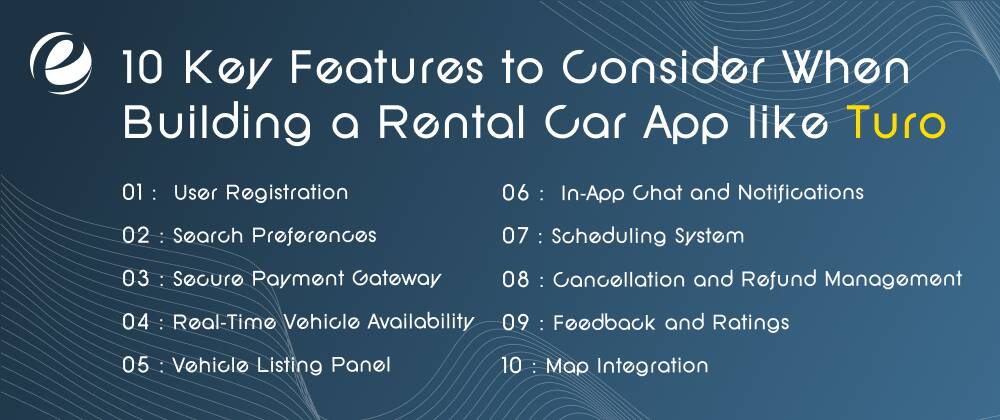
Here’s the first thing to note before you begin to make a car rental app like Turo: It’s more than just listings and offering a platform for collaboration.
Best car rental apps like Turo come with a seamlessly designed ecosystem for both hosts and renters. To help you understand this well, we have brought this breakdown of the top 10 basic features that are a must for a successful rental car app like Turo:
User Registration
Both renters and car hosts should have a hassle-free experience while creating and managing their user profiles. The account includes details like email, phone number, proof of identity, and driving license. This is one of the most basic and important features of rental car apps like Turo, where a structured login and account management system ensures customer trust and compliance.
Search Preferences
A flexible search engine is a must in a Turo alternatives, as it offers users the ease to choose only from the options specific to their needs. The filters include location, rental duration, car model, and make, fuel type, amenities (baby seats, GPS, etc.), and price range. The more granular the filters are, the more refined and smoother the user experience.
Secure Payment Gateway
Secure payment gateways are the deal-maker or breaker in any digital platform. A rental car app like Turo must have secure and compliant systems like PayPal or Stripe. That’s not it, the app should offer a variety of payment options, including debit and credit cards, and EMIs.
Vehicle Availability
An important feature for all the good reasons, real-time vehicle availability implies that the user would be able to view the up-to-date availability of the cars to be rented. Why is it crucial? It reduces the risk of double bookings, saves time, and improves scheduling flexibility for hosts.
Vehicle Listing Panel
All car owners on a rental car app like Turo should have a dedicated dashboard where they can list and manage multiple vehicles. They should be able to seamlessly update photos, write vehicle descriptions, set rules, mention pricing, and block out dates. This is one of the most essential features to consider for building a car rental mobile app like Turo, as it adds more flexibility and enhances scalability.
In-app chat and Notifications
Hosts and renters should have the ease of communication on the app. That’s where the in-app messaging feature kicks in. With this built-in chat system, both parties would have seamless coordination regarding booking and renting decisions. In addition to that, push notifications are useful for alerting the user about any confirmations/cancellations, changes, offers, and reminders.
Scheduling System
Users should have a seamless experience when booking or scheduling a car rental. All the best rental car apps like Turo, offer the option to book or approve a car rental instantly. This feature involves a date-picker, pickup and drop-off location, a summary screen, and time slots.
Cancellation and Refund Management
When building car rental apps like Turo, mark this feature as a must-have. A flexible cancellation system allows users to cancel within allowed timeframes. Moreover, a transparent refund system enables access for users to check their refund status. This offers flexibility to the users and ultimately boosts their trust, reducing disputes.
Feedback and Ratings
Once the rental has been completed, the app should trigger the option for both parties (renter and host) to rate and write reviews for the overall experience. This feature counts a lot when it comes to building trust and weeding out bad experiences in the future. To top it all, the reviews and ratings help other users make informed decisions.
Map Integration
Map integrations with Mapbox, Google Maps, or other such maps facilitate a well-coordinated pickup and drop-off process. It also enables location-based search and trip tracking. This feature must be implemented as you build a rental car app like Turo, as it improves user experience and trust and offers contactless rentals.
10 Advanced Features to Consider When Building a Car Rental App like Turo
While the features we discussed above are the heart of any rental app like Turo, here are the advanced features that leverage cutting-edge technology to help build a finer user experience and make your app stand out:
AI-Powered Pricing Algorithm
By leveraging AI in rental car app development, you can offer hosts a dynamic pricing option. They can use it to maximize revenue based on factors like demand spikes, fuel prices, competitor pricing, vehicle demand, and location. The feature enables automated suggestions and offers useful insights to hosts, using which they can make informed pricing decisions and stay ahead of the competition.
Face Recognition and ID Verification
Identity verification using OCR scanning and AI-based face recognition adds a robust layer of security to your app and maintains regulatory compliance as well. This also involves scanning of licenses, along with other details, and ensures that the vehicle and the host/renters are genuine.
Loyalty and Rewards Program
To build a brand and connect more with the users, you may also implement reward programs in the app. You can create a long-term retention loop by offering discounts, points, cashback, or more for referrals, hosting, and frequent bookings. You can also make the platform more engaging by gamifying it with user badges.
Trip Tracker
Want to make your app an even safer platform for all the users? Add the trip monitoring feature to your rental car app development checklist. This involves leveraging telematics for a real-time trip-tracking system, route optimization, and speed tracking. It also helps keep track of fuel with fuel usage reports and enables alerts for sharp turns and rash braking.
Smart Lock Integration
You can implement QR codes or IoT-based smart locks in your app for hosts to get keyless entry. This feature facilitates a remote rental experience, which is perfect for urban environments, late-night bookings, and airports.
Insurance Integration
Insurance integration is a crucial feature to consider when planning to develop a car rental app like Turo. You can partner with insurance providers to enable trip protection and liability coverage for the users, right from the app. Integrated claim and policy management sets up a hassle-free system while creating a sense of security and trust among the users.
AI-Enabled Vehicle Damage Evaluation
AI-enabled image recognition helps conduct a thorough assessment of vehicle conditions before and after the trip. Renters can click and upload photos of the vehicle. The app would then detect dents and scratches (if any) compared to the pre-trip condition. This feature is an outstanding addition to the app for minimizing disputes and simplifying insurance claims.
Voice-Based Search and Virtual Assistant
Voice-driven search and booking systems are indeed perfect for enhancing the user experience of your app. Furthermore, implementing virtual assistants is a top-notch way to quickly guide users, assist them with rental procedures, and handle FAQs.
Multi-Vehicle Management
This feature is designed specifically for rental businesses and hosts with multiple vehicles. It offers revenue reports, vehicle management alerts, and automated booking systems with an analytics dashboard. It allows hosts to track their growth for each vehicle and make informed decisions in the future.
Cross-Border Support
Planning to build a car rental app on a global scale? If yes, you can implement cross-country rentals with features like border-crossing documentation, international driving license validation, currency conversion, and multi-language support. With everything available at the comfort of your fingertips, this feature would make things a lot easier for users.
10+ Rental Car Apps Like Turo
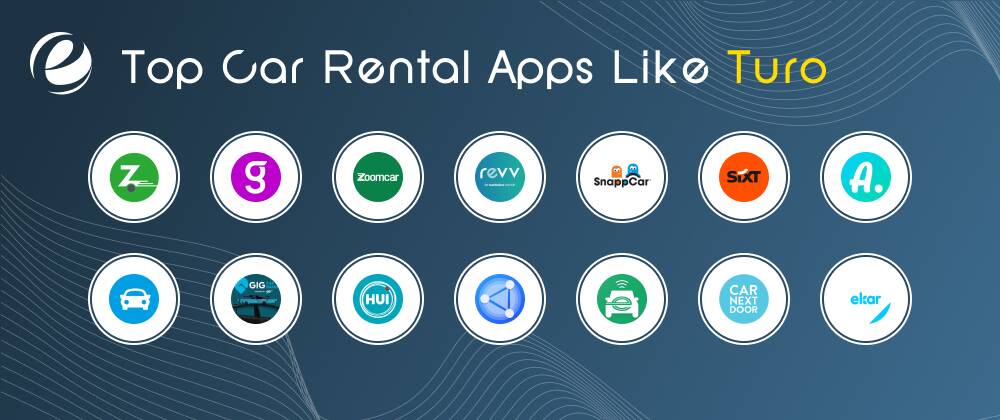
| App Name | Highlights | Pricing Model |
| Zipcar | Car rentals with fuel on an hourly and daily basis, rentals include maintenance, ideal for urban users | Membership: Rental fees vary based on duration and car type |
| Getaround | Peer-to-peer car rentals, accessible on smartphones, are available in the US and Europe | Pay-per-use model |
| Zoomcar | PAN-India car rentals, large car fleet, zero deposit option | Pay-per-use; Subscriptions |
| Revv Cars | Self-drive car rentals in India, hourly and long-term plans, door delivery option | Pay-per-use; Subscriptions |
| Snappcar | Peer-to-Peer car rentals in Europe: a sustainable approach | Pay-per-use; Discounts for frequent users |
| SIXT | Global car rental platform, Options include economy, premium, and luxury vehicles, available across 100+ countries | Pay-per-use; Loyalty benefits |
| Avail Car Sharing | Fully-insured cars for rentals, contactless key exchange, no extra driver fees, available in the US | Pay-per-use, insurance, and fuel included |
| CarnGo | Car rental aggregator, with an option to explore and compare rental options provided globally | Vary based on the rental provider |
| GIG Car Share | One-way rentals for EV and hybrid cars offer HomeZone pickups and drop-offs, including insurance | Charges per minute, hour, or day |
| Hui Car Share | Hawaiian car rentals, contactless with app-enabled keyless entry, dedicated parking spots | Hourly and daily-based pricing; Insurance and gas included |
| SHARE NOW | Free-floating car rentals in Europe, flexible drop-offs, and eco-friendly vehicles | Charges per minute, hour, or day; Fuel and parking included |
| Enterprise CarShare | Car-sharing vehicles are available 24/7 | Membership, pricing based on location and duration |
| Car Next Door | A car rental platform in Australia offers neighbor-to-neighbor rentals, remote access via app | Pay-per-use; Subscriptions for frequent users |
| Ekar | Middle Eastern on-demand car sharing, luxury car options | Charges per minute, hour, or day |
Core Steps for Peer-to-Peer Rental Car App Development
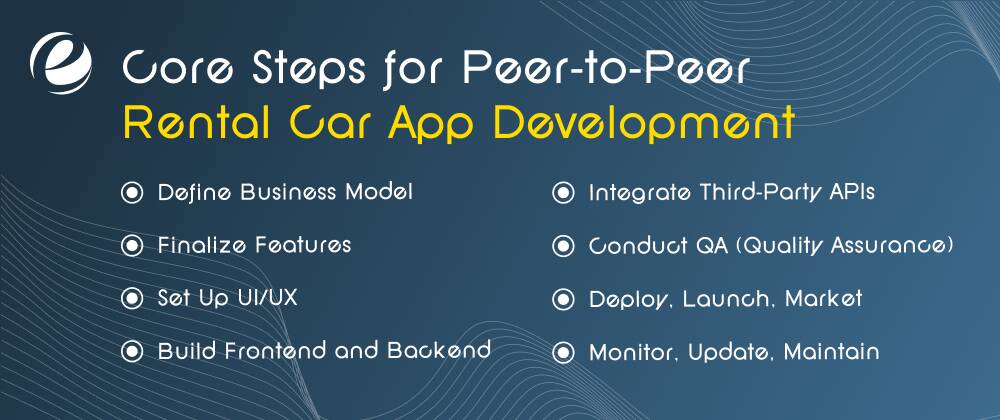
Here is the most important question: How to make a car rental app like Turo? For starters, car rental app development costs like Turo are just as much about details like planning, defining goals, tech stack, etc., as it is about understanding the intuitive and scalable interface of the rental car giant.
On this note, let’s walk through the step-by-step process of developing a high-performance rental car app:
Define Business Model
First and foremost, you have to define the core idea behind investing in a rental car app development project to make it successful. Here’s what it looks like:
- Studying your target audience (are they city commuters, Travellers, or Professionals?)
- Analyzing competitors, their USPs, pricing structures, weaknesses, and user feedback
- Defining revenue models
Once you have a clear answer to each one of such questions, it will set the tone for further car rental app development planning elements, like feature selection, tech stack, and more.
Finalize Features
Now that you have checked the concept part, decide the features, both core and advanced, that you’d like to implement in your rental car app like Turo. As we read above, some features are too essential not to have in a scalable, user-friendly app. These include hassle-free car listings, profile management, and search filters.
Then there are AI-based pricing, AI-enabled car assessments, insurance integration, and more such advanced features that make the renting and hosting experience good for users. In addition to that, these cutting-edge features are a surefire chance at gaining a competitive advantage, too. Thus, you must create a roadmap to align the features and the development plan.
Set Up UI/UX
Design is worth paying attention to. It can make your app get a thumbs-up or a thumbs-down. This stage is all about making sure the design of your rental car app gets user attention and attracts scalability. Build robust wireframes, design mockups, and prototypes that project user experience.
Make sure that the app has smooth booking flows, design aligning with the brand, clean navigation, and highly responsive layouts. The app should be intuitive for both parties (hosts and renters). On top of everything, make sure the app not only looks good but also performs powerfully.
Build Frontend and Backend
Time to bring your car-renting app to life. The backend of the app is responsible for server-side logic, databases, API integrations, and cloud hosting. So, it has to be scalable and secure while being capable of managing real-time updates.
On the other hand, the front end is all about the user side of the app. It handles features, filters, screens, and forms, ensuring they all work fine across platforms. Approach this stage with agile methodologies, break your car rental app development process into sprints, and ensure consistent progress.
Integrate Third-Party APIs
Integrations with third-party services ensure your app is highly functional and well-structured. These integrations include map services, chat or customer support, identity verification, and payment gateways.
Moreover, you may need cloud storage for purposes like handling car photos and documents. Analytics tools can also be crucial for tracking user activity. The smarter the integration, the smoother and better the transactions and automation.
Conduct QA (Quality Assurance)
Before launch comes the most important phase for ensuring the perfection of the app: Quality Assurance. Your car rental app must undergo a rigorous test to eliminate bugs, functional loopholes, security slip-ups, and performance issues.
Conduct various types of testing: UI/UX testing for usability, testing for each one of the features, stress testing to check if the app can take high loads, and more. Test the app through different perspectives, the renter’s and the host’s, to ensure both get a seamless experience.
Also, check the app on multiple platforms to ensure it performs consistently. Then there are API integrations, security, compliance, and more aspects that must be tested before the app hits the market.
Deploy, Launch, Market
Now that the testing phase is done, it is finally time to deploy your car rental app. You may release the mobile app on the Google Play Store and/or the Apple App Store. Releasing the web version would enhance the scalability of your product. However, make sure it is hosted on a trusted server.
From screenshots and privacy policies to metadata and compliance certificates, have everything in place to ensure a successful app release across both app stores. That’s not all, brainstorm and create winning marketing strategies to make your app shine through the competition.
Monitor, Update, Maintain
Your app has hit the floor, and it now marks a new responsibility: Ensuring it is always in the best condition. This phase of rental car app development is a continuous process.
From UI enhancements to timely updates with the latest features to performance optimization, every small and big aspect of the process is crucial. As and when your app user base grows, it will demand more server capacity and load time optimization, and in fact, you may also consider expansion into new markets or regions.
Given the competition and continuously evolving trends, you can introduce advanced capabilities, like AI in rental car apps, chatbots for streamlined interactions, partner integrations, etc. This will keep your audience hooked to the app and help you stay ahead of the curve.
Why Partner with Emizentech for Rental Car App Development?

When you plan to build a car rental app like Turo, partnering with the right developers becomes crucial. From performance and UX to security and post-development runs, you can check all the boxes right with the best mobile app development company by your side.
Emizentech, a leading mobile app development company, brings you a combination of industry expertise, an attitude toward innovation, and cutting-edge technologies. As a top car rental app development company, we deliver custom services to ensure a flexible, future-proof mobility solution.
Our end-to-end rental car app development services encompass:
- Scalable backend architecture and cloud integration
- Custom design and development
- Advanced booking systems
- Secure payment gateway integrations
- Real-time GPS and map integrations
- Third-party API integrations
- Dedicated QA support
- Post-launch support and maintenance
We make sure each of our services is aligned with your specific requirements and goals to help you launch the app faster and scale even more effectively.
Build Peer-to-Peer Car Rental Apps like Turo Effectively!
The user penetration rate in the car rental industry is expected to be 8.3% in 2025, with an estimated increase to 10.1% by 2029. The lightning surge in the adoption of mobile apps and the demand for on-demand mobility are the primary drivers for rental car app development like Turo.
Developing rental car apps like Turo goes beyond simply replicating features. It requires precise execution, a deep understanding of user needs, intuitive user experience design, and a strategy that can adapt to changing market trends.
So, if you are planning to be a part of the car rental app industry, the time is just perfect. However, it is also important to choose the best app development company with a knack for technology and creativity to ensure you get the best app.
Ready to build the next big rental car app? Connect with us and let’s discuss the most effective process.
FAQs
How much does it cost to build a car rental app?
Car rental app development costs can range between $30,000 to $150,000. The exact cost of building an app for car rentals depends on the complexity, features, platforms, and more such factors. It is best to share your requirements with the top rental car app development company and request a quote to make the decision.
How to make a car rental app profitable?
Opt for commission-based and subscription-based car rental models to make your app profitable. You can also consider premium services and in-app ads to further monetize your app.
How should I make my rental car app stand out?
To make your car rental app stand out in the crowded market, you must focus on personalization, convenience, and trust-building above all. Also, it offers seamless and round-the-clock support, verified listings, a user-friendly interface, and multiple car type options.



 +1 (989) 535-9295
 info@emizentech.com
 emizentech


