
 Add us as a preferred source on Google
 Did you notice how mobile apps are quietly changing our lives? From ordering groceries with just a couple of taps to making video calls with friends around the world, mobile apps have become an important part of our daily lives. The future of mobile app development will keep getting better, with faster speed, smarter features, and smoother use. Behind every app is a team of developers and business owners constantly pushing for better performance, faster speed, and a smoother experience.
The journey of mobile apps has come a long way since the days of basic mobile phones. And the pace of change of future apps is only getting faster. New technologies such as AR/VR, artificial intelligence, and blockchain are opening new opportunities for innovation. We’re also seeing the introduction of new programming languages and smarter strategies that make apps more efficient, secure, and effective.
Developers and companies must stay aware of the latest advancements in mobile app development. Those who don’t follow these trends risk falling behind their competitors. If you’re thinking about investing in mobile apps, it’s essential to understand how important apps have become and what the future of app development looks like.
Market Statistics For Mobile Apps
The mobile app industry is not just growing, it’s booming, and its future looks promising. With rising numbers, more startups and businesses are now creating mobile app ideas. This has also led to greater competition in the mobile app development industry. To get a clearer picture of the market, let’s take a look at some key statistics that show how fast it’s expanding.
- The worldwide mobile app market was valued at $240.4 billion in 2023. It is expected to rise to approximately $666.1 billion by 2032. The market is projected to grow at a CAGR of 12.1% during the forecast period (2024-2032).
- The global AI market size is expected to surpass $126 billion by 2025, proving that AI will be a key element in mobile app development.
- Mobile apps revenue is projected to reach $613 billion by 2025, driven by sources such as memberships, in-app purchases, and advertisements.
- 49% of people use mobile apps at least 11 times a day.
- Despite more than 80 apps being installed on a typical phone, the reality is that not every app is in use. On average, users engage with nine mobile apps per day and 30 different apps per month.
Why People Will Keep Using Mobile Apps – Know The Reasons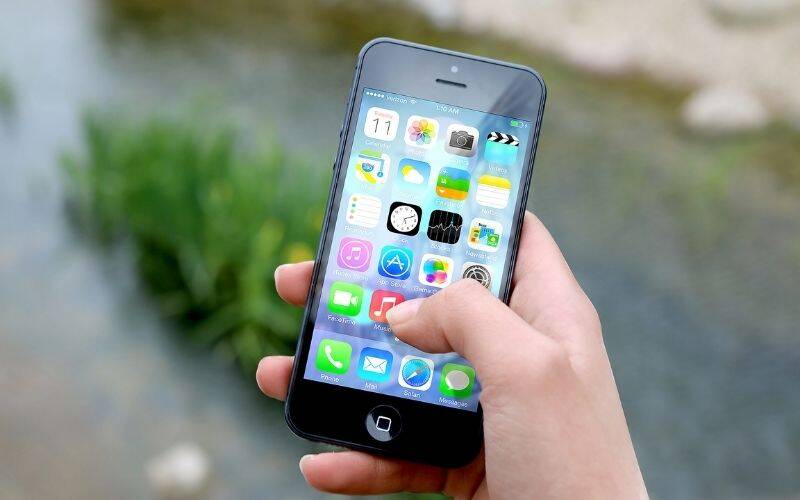
Users are likely to hook up to your app if they find your mobile app:
Useful
Your app may offer features similar to other apps, but you need to find what your app is missing. Try adding the features that other apps don’t have. Also, use the latest tools and technologies to make your app stand out.
Easy to Use
Your app should have a simple design, a purpose, and be easy to use. Moreover, you should understand the users’ needs and meet them with simplicity. Try building your app around those required features.
Engaging
As we know, first impressions last longer. Similarly, your app should be engaging, especially in the initial screens. It will decide whether users are satisfied or not.
Drive User Engagement (offline also)
Use the best alerts and push notifications to remind your users about your app’s value and assist them in integrating it into their hectic lives.
Fast and Perform Well
Users like fast and well-performing apps. So, be sure that your app gets installed quickly and performs faster.
Have a User-friendly Monetization Strategy
Choose the monetization strategies that ease the users, not you. With the in-app purchase option, skilled app developers mostly choose the freemium model.
Don’t use multiple in-app purchase options as they may confuse users.
Allow Feedback and Reviews
Allow users to post their reviews and feedback, try to resolve those issues, listen to your users’ ideas and concerns, and try implementing them.
Convert Your App Idea Into Reality
Let’s Build A New App Together
Future App Development Trends & Technologies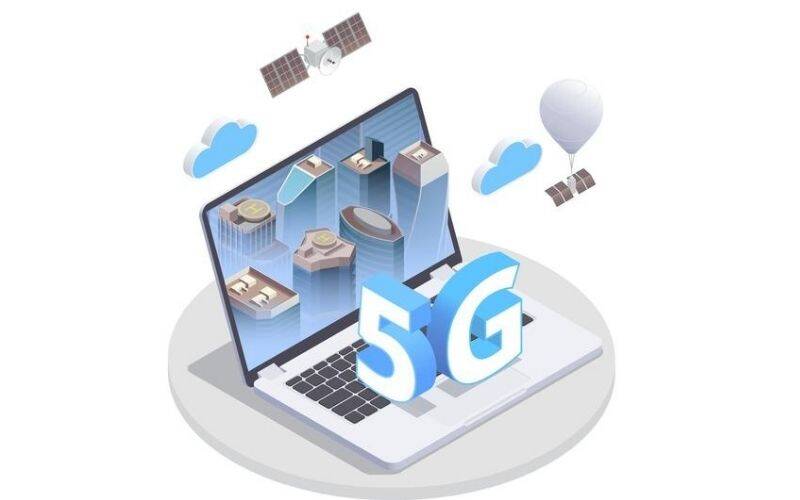
Below, we have explained some future trends that you need to watch out for before developing an app:
Integration Of Internet Of Things And Cloud
Cloud computing and IoT are developing technologies.
In simple words, cloud computing supports IoT by performing like a front-end and is based on the concept of allowing users to accomplish computing jobs using services delivered over the internet.
The IoT and cloud integration strengthen new scenarios for apps and smart services, such as Database as a Service (DBaaS), Sensing as a Service (SaaS), Video Surveillance as a Service (VSaaS), and more.
The integrated IoT and cloud are used by real-life apps like video surveillance, agriculture, smart city, healthcare, smart metering, smart home, etc.
IoT and cloud integration ease the data processing and storage, offer streamlined processes, enhance collaboration, improve productivity, reduce hosting costs, accelerate installation and integration, and cut down the data processing cost and its complex performance.
Artificial Intelligence In Future Mobile Applications
AI will stay as an app development trend in 2021 and beyond. It plays a vital role in the app development process as this technology brings more personalized app experiences that meet the users’ needs. By 2023, the worldwide AI software market revenue is going to reach $70.94 billion.
In the future, we expect various AI apps to be developed using technologies such as predictive analytics and machine learning algorithms. This way, app developers will deliver an enhanced personalized experience and permit AI to implement necessary actions unprompted by learning users’ past activities and usage patterns.
The apps that can include AI features are face detection, speech recognition, image recognition, text and image classification, predictive maintenance, and more.
Swift, The Language Of Future App Development
In future apps, the Swift programming language will play an important role. That’s why it is a widely known mobile trend that improves app development speed and reduces the total cost of app development.
Various iOS app developers use Swift to develop apps. This language provides some valuable features that other developers haven’t used while working with different native languages.
Swift programming language comes with its Interactive Playgrounds feature that permits developers to alter the code without recompilation or error fixing.
Inferred types and automated memory management are the top features of Swift. One can even interoperate between Swift and Objective-C. So, developers don’t have to require Objective-C apps for iPads and iPhones.
Role Of AR And VR In The Future Mobile App Industry
In 2021, the AR, VR, and mixed reality market will likely reach $30.7 billion and catch up with about $300 billion by 2024.
With the AR/VR launch, it is expected
That by the end of 2026, the way mobile apps and games work will change. People are also found shifting from PCs to AR/VR and indeed reveal some advancement in ticket booking, trading, watching, mini-games, etc.
A modified reality version of augmented reality was created with computer-generated elements on an actual image. For that, AR apps use geolocation data, QR codes, or object recognition features.
Besides, a technology that demands a headset and is entirely engaged in computer-generated reality is virtual reality.
AR and VR technology implementation into the app design of any industry vertical offers developers a chance to build a more personalized user experience.
The trends of AR/VR are live concerts, virtual training simulators, learning processes, destination navigators, etc.
During the pandemic, AR/VR popularity increased because people used them the most.
Such technologies in app development constantly improve the features and performance at a faster rate.
In the future, these technologies will improve the development of travel apps, gaming apps, and live streaming apps.
Cross-Platform Development For Future Apps
Based on your business requirements, the technology for your app may differ. If you want to get a market-ready app faster with various complex features, it’s better to choose cross-platform app development.
On cross-development, future trends of apps need to be developed, which states that mobile apps can be used on various mobile operating systems (Windows, Android, iOS, etc.).
Cross-platform development tools like NativeScript, React Native, Xamarin, and more play a significant role in the app development industry. Moreover, they will assist in lowering costs and increasing app development speed.
5G Technology
The wireless technology 5G is anticipated to transform the future app development landscape. As 5G is bringing unbelievable speed, it holds the keys to a luxurious life in the future.
Besides the network speed, this robust technology will transform AR/VR, 3D gaming, data security, and more things in apps.
With this technology, various apps like smart cities, IoT, supply chain, AR/VR, transportation, etc., can reap the benefits in varied industry verticals.
Blockchain
As per the predictions, the global blockchain revenues will grow by about $39 billion by 2025.
Blockchain integration solutions will change the way apps are developed and deployed.
Initially, blockchain technology was famous for the stable functioning of all cryptocurrencies. Now it’s used as a database that one can use for almost every app, like a fintech app, a retail app, a health app, and more.
It is a decentralized ledger that helps in tracking the transactions between various parties, shared with every stakeholder. This helps make the system transparent and improves app security as it stops fraudulent transactions and doesn’t allow any changes to the transactions when stakeholders are aware of that.
Besides, this technology is best suited for peer-to-peer transactions. This way, it assists in maintaining unchanged and dedicated records of transactions based on the app’s needs.
From an IT point of view, blockchain is essential for enterprises and needs to be integrated with other back-end legacy systems for better results.
In the future, blockchain integration solutions will communicate and share digital assets flawlessly.
Wearables
In 2021, global end-users will spend about $81.5 billion on wearable devices and will likely reach $90 billion by 2022.
From reports about the healthcare stats to daily psychological information, wearable technology integration plays a vital role in our routine lives.
The use of wearable devices leads to effective routine jobs. Additionally, integrating such devices with app development can ease the customers’ lives through the apps.
This technology will offer different services in various areas, like healthcare apps, fitness apps, and more, when integrated with multiple apps.
That’s why it’s predicted that wearable technology will effectively impact the future generation of app development strategies.
Future Of Native Mobile Apps
Various businesses use the native mobile app. It is a software platform that runs on a particular device and platform. Such apps don’t run on browsers; instead, you need to download them from the app stores. After that, such apps are ready to use.
A native app is secure, easy to maintain, performs the best, is intuitive and interactive, catches up with fewer bugs during development, is cost-effective, scalable, and can also perform offline.
The future of native apps is bright, as it may cost you more than other apps, but is worth developing because of the benefits that come along.
What Is The Future Career In Mobile App Development?
Mobile app development is a better career choice as the demand for mobile apps is increasing and technology is ever-advancing. As the app development industry is constantly developing, it’s the best chance for people showing interest in the same field to expand their expertise.
What Types Of Apps Were In Demand In 2020?
As 2020 was the start of the pandemic, the worldwide lockdown increased mobile app usage. In those days, the following apps were in demand that helped app users relieve their boredom. Additionally, a few apps were assisting people in running their business with their team being at home.
- Facebook Messenger
- Gmail
- Youtube
- Skype
What Kind Of Apps Will Be In Demand In 2021?
Still, the pandemic hasn’t left us, which has led to an increased usage of a few mobile apps. Let’s check out the type of apps that are popular in 2021:
- Language learning app
- Voice translation app
- Fitness App
- Video-editing app
- Virtual clothes shopping app
- Loaned money tracking app
You Have A Vision
We Have The Means To Get You There
What Are The Fastest-Growing Apps?
COVID-19 has changed the media habits of people. It has increased app usage to an extent. Below are the mobile apps that are growing rapidly:
- Snapchat
- Zoom
- Telegram
- Spotify
- Google Fit
What Is The Future Of Android App Development?
Today, mobile apps meet every need of mobile users; that’s why an increasing number of mobile users are downloading apps. Additionally, more and more enterprises are developing mobile apps for their businesses.
So, the app development market is growing because app users are eager to reap the benefits of mobile apps, meet their routine requirements, and boost the profit of their businesses.
This states that the future of app development, Android, iOS, etc., is shining today and will become brighter in the future.
Wrapping Up
We hope you find this post helpful in predicting the future of app development in the years ahead. Emizentech is an app development company that is always here to help you achieve success in the app industry.
FAQs
What is the future of app development?
The future of app development looks very bright. Applications will become better, more responsive, and more user-friendly by utilizing cutting-edge technologies such as AI, 5G, and cloud computing. This will make daily activities easier while also improving how people communicate and connect.
What are the technologies shaping the future of app development?
Emerging technologies like AI, AR, VR, and Blockchain are transforming future apps by adding smarter features, greater security, and creating exciting, engaging user experiences.
How do low-code and no-code platforms affect app development?
Low-code and no-code platforms simplify the app development process, making it quicker and easier. These tools allow more users to develop apps without advanced coding skills, saving both time and money.
What security issues do mobile apps face today?
Modern apps are exposed to risk, such as hacking, theft of data, as well as privacy concerns, which is why developers need to use secure tools as well as keep their apps updated in order to remain secure.
Why should businesses pay attention to app development trends?
Monitoring trends helps companies attract customers, keep their competitive edge, and provide a better user experience, leading to greater development and growth.
Will mobile apps remain vital in the near future?
Indeed, mobile apps will become more essential since people continue using smartphones for shopping, learning, work, and staying in touch.



 +1 (989) 535-9295
 info@emizentech.com
 emizentech


