
 Add us as a preferred source on Google
 Global online retail has entered 2026 with a landmark achievement: eCommerce revenues are officially set to surpass $5 trillion for the first time. With the expansion of digital technologies and internet accessibility, online shopping has become more convenient and accessible than ever before through modern eCommerce trends. By the end of 2026, the global retail e-commerce sales are expected to surpass $7.38 trillion. This shift in consumer purchasing behavior has been a major reason for this growth because now people prefer more personalized shopping experiences.
Additionally, the widespread use of digital devices and secure payment systems has enabled customers to shop anytime. In this blog, you will learn what eCommerce is and why it is important and the key growth trends businesses must follow to remain competitive in this evolving digital marketplace.
What Is eCommerce, With Example?
eCommerce trends are the changing technology and consumer behavior that influence the way businesses operate online. These insights help businesses understand the future trends of eCommerce, which enables them to easily identify the changing consumer behavior and remain competitive in the online market. Using the information, businesses can enhance the convenience of their products.
What Are The Factors Responsible For The Evolution Of eCommerce?
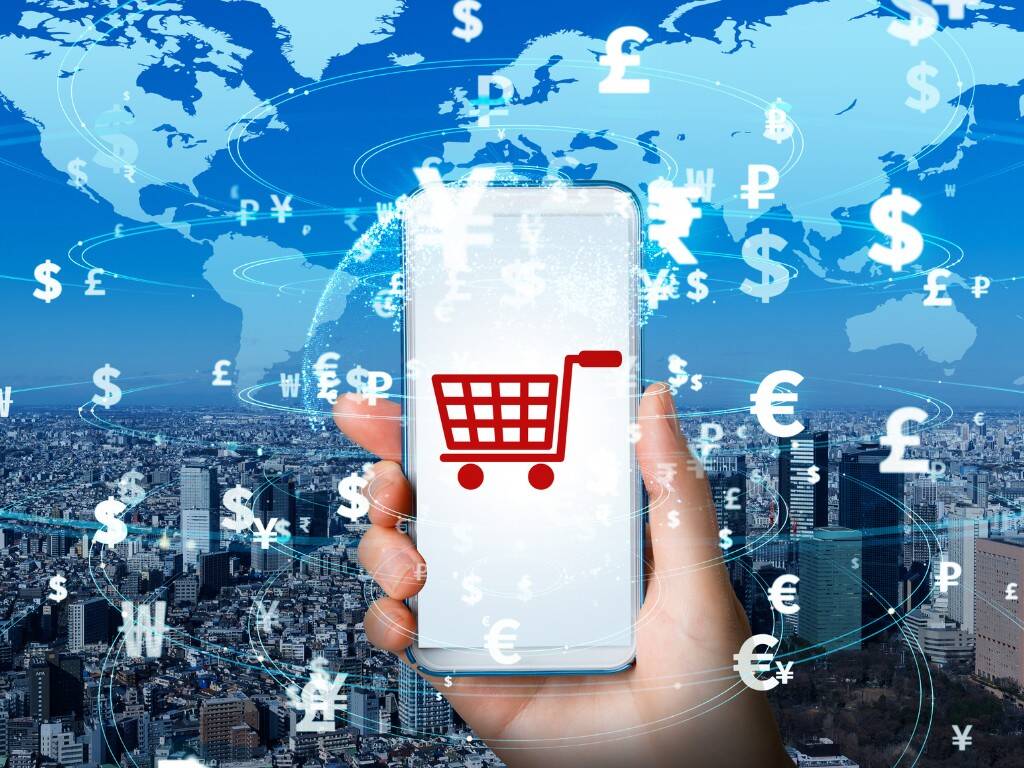
eCommerce has changed many things over the past few years. It has changed the way people buy and sell goods and services. There are several important factors, including technological advancements, increased internet access and improvements in online payment, that are responsible for the evolution of eCommerce. Below, you will see some key factors that have driven the development of this industry
Advancements in Technology
The rapid advancement of technology has played a significant role in the growth of eCommerce. The rise of the internet, mobile devices, and social media have made it easier for consumers to shop online and for businesses to reach their target audience. In addition, the development of advanced analytics and artificial intelligence tools has enabled retailers to personalize the online shopping experience for customers, improving conversion rates and customer satisfaction.
Changing Consumer Behavior
Consumer behavior has shifted significantly recently, with more people preferring the convenience and accessibility of online shopping. This shift has led to an increase in the number of people shopping online, with eCommerce sales steadily increasing yearly. The vast use of smartphones and improved digital payment systems has further encouraged consumers to adopt online shopping as part of their everyday purchasing habits.
Increasing Competition
The eCommerce industry has become increasingly competitive, with more businesses entering the market and offering innovative products and services. So, retailers are tend to adapt and differentiate themselves from their competitors, offering unique experiences and high-quality products to attract and retain customers.
Changes in Business Models
The emergence of new business models, such as subscription-based services and marketplaces, has also contributed to the growth of eCommerce. These models give consumers more options and flexibility while allowing businesses to reach new customers and expand their reach.
Globalization
The rise of globalization has made it easier for businesses to reach customers around the world. With the growth of international shipping and the ability to accept payments in multiple currencies, eCommerce has become a global industry.
The Rise of Mobile Commerce
With the increasing use of mobile devices, it is no surprise that mobile commerce is rising. Consumers are using their smartphones and tablets to shop online more than ever before. As a result, retailers are focusing on developing mobile-friendly websites and apps to cater to this growing trend. In the future, we can expect more retailers to adopt mobile-first strategies, prioritizing the mobile shopping experience.
In summary, the growth and evolution of eCommerce can be attributed to a combination of factors, including advancements in technology, changing consumer behavior, increasing competition, new business models, and globalization. As these factors continue to shape the industry, we can expect eCommerce to continue to evolve and transform, offering new opportunities for businesses and consumers alike.

Top 20 eCommerce Trends To Watch Out In 2024
In the fiercely competitive eCommerce world, staying ahead of the latest trends is essential for long-term success. The market is constantly evolving, with new technologies and changing consumer behaviors emerging every year. To ensure your business thrives, it’s crucial to implement the top eCommerce trends of 2026. Below, you will see a detailed explanation of these trends:
Artificial Intelligence (AI) and Machine Learning
Machine learning and artificial intelligence have completely revolutionized eCommerce. This technology could be the game changer your organization has been looking for Online, AI is doing just that. By using user behavior and preferences to personalize the purchasing experience, AI and ML are facilitating the process of helping customers find exactly what they’re looking for. Your clients are more likely to find things they didn’t even realize they needed when you use AI-driven product recommendations, which will clearly boost sales.
Moreover, automation in customer service through AI chatbots enhances how businesses interact with customers. Chatbots can answer queries, resolve issues, and suggest products in real-time, anytime, and anywhere. This not only results in customer satisfaction but also reduces manual efforts. Integrating AI and ML tops the list for eCommerce future trends as it will help you provide customers with a more personalized, efficient, and engaging shopping experience.
Augmented Reality (AR) and Virtual Reality (VR)
Using AR and VR is the most effective way to create an immersive and engaging online shopping experience. The consumer in today’s market is more keen to experience a product or service rather than merely seeing it. Before making a purchase, buyers can use augmented reality to see things in their environment. They can envision how a piece of furniture will fit in their living room or how a specific pair of shoes will go with what they’re wearing, for instance. This eCommerce trend lowers the likelihood of returns while simultaneously improving the consumer experience.
Virtual reality (VR), on the other hand, goes one step further by constructing a virtual shopfront where clients can explore and make purchases just like they would in an actual store. Businesses that effectively incorporate AR and VR into their online stores are already witnessing increased customer engagement and revenue. These technologies are a must-watch trend for 2024 because they are developing at an alarming rate and have countless applications in eCommerce.
Voice Commerce
Voice-activated shopping with smart speakers is becoming one of the biggest trends in eCommerce due to the popularity of smart tools like Alexa and Google Assistant. Consumers widely use voice commands to make online purchases. As a result of this trend, businesses’ high response to voice search website optimization is evolving. Customers now ask questions or provide instructions rather than input keywords into search engines. Thus, eCommerce companies must concentrate on long-tail keywords and natural language processing.
The potential for voice commerce is immense in the future. It provides a convenient, hands-free shopping experience ideal for busy customers. Companies that begin their voice search optimization today will have a significant advantage over those that don’t. By incorporating voice commerce as a trend of eCommerce, you may give your customers a more comfortable and smooth buying experience, which will increase customer engagement and sales.
Sustainability and Eco-Friendly Practices
With a massive number of consumers becoming informed buyers, sustainability has shifted from being just a trend to a movement. Today, customers look for eCommerce stores that align with not just their tastes but also their values. Businesses that don’t adopt eco-friendly practices risk losing customers. By making sustainability a core part of your eCommerce strategy, you can attract environmentally conscious shoppers and build a loyal customer base.
To connect with these customers, brands can adopt various strategies such as reducing packaging waste, using sustainable materials, and managing carbon emissions. Sustainability isn’t just an intelligent eCommerce strategy; it’s also a powerful way to attract and retain customers. Businesses that embrace this eCommerce future trend will thrive because sustainability is here to stay.
Omnichannel Shopping Experience
Whether they are purchasing in person, on the internet, or on their phones, customers expect an effortless shopping experience. The omnichannel purchasing experience is useful in this situation. Connecting online and offline purchasing is key to giving customers a smooth buying experience. For example, a shopper may use their phone to browse products, use a laptop to add items to their basket, and then complete the purchase in-store.
It takes consistency to make this work. Every platform should have the same appearance and feel for your business. No matter where the customer is shopping, tools like integrated inventory management and customer relationship management (CRM) systems may help ensure everything goes as planned. Businesses that use an omnichannel strategy can meet and exceed customer expectations, increasing sales and customer satisfaction.
Subscription-Based Models
The subscription model is one of the most popular in many industries, and in 2026, eCommerce shows no signs of slowing. People love the idea of being able to obtain products or services on a regular basis without having to place new orders. This has been one of the most reliable models for businesses looking to build a loyal community, and the best part is that the model can be applied to anything, ranging from food subscription boxes to beauty products and even online streaming services.
The advantages of the subscription model for businesses are clear, and the model helps in retaining more clients, providing useful insights, and generating revenue. The key factor of any successful subscription model has been personalization, providing the user with products that meet their specific tastes and requirements.
Social Commerce
Social media sites are becoming efficient eCommerce tools and are not limited to simply “chatting with friends” anymore. Social commerce is a trend that is going to grow in 2026, and many businesses are adding online shop fronts to social media sites like Facebook, Instagram, and TikTok. Social commerce is a trend that is assisting businesses in reaching their consumers where they are spending a lot of their time.
Elements of profitable social commerce strategies include influencer marketing, user-generated content, and interactive shopping experiences. Businesses are able to create a seamless and engaging shopping experience by directly integrating their online platforms into social media sites. This is a trend in eCommerce that makes it easier to reach a younger demographic of consumers who are technologically savvy and enjoy shopping directly on social media sites.
Direct-to-Consumer (D2C) Brands
Direct-to-consumer (D2C) businesses are growing beyond traditional retail and reaching consumers directly, bypassing the middleman. In 2026, it is believed that many businesses will take this route to gain greater control over their brand and consumers. With this route, businesses are able to gain useful insights into consumers and provide them with a low-cost option.
D2C businesses are known to engage in innovative marketing strategies, such as focusing on building a strong online presence and reaching consumers directly via email and social media. It is beneficial for small brands that wish to create a giant impact to follow this trend. Going direct-to-consumer (D2C) can help you differentiate yourself from the rest of the pack in a crowded marketplace, increase your margins, and create a more individualized relationship with your clients.
Headless Commerce
Headless commerce is an eCommerce architecture where the front end (user interface) is separated from the backend (commerce engine). This means businesses can design and manage the customer experience independently from the system that handles products, payments, and orders. With the help of APIs, companies can deliver shopping experiences across multiple platforms, such as websites and mobile apps.
This approach gives brands greater flexibility to innovate their storefront without affecting the core system. It is a method that also improves website speed and scalability with the help of modern technologies. With the ability to support faster innovation, headless commerce is becoming one of the future trends of eCommerce.
Personalization and Customization
Personalization and customization are emerging as vital pillars of eCommerce trends in 2024. Customers are bound to look forward to shopping experiences that cater to their individual preferences, from personalized product recommendations to customizable products. Personalization is no longer a luxury—it’s a necessity for businesses aspiring to stand out in an already-loaded market.
With the integration of AI and machine learning, organizations can provide highly personalized experiences. By using tools like CRM systems and predictive analytics, businesses can achieve a better understanding of clients, what they like, and what should be offered. Products from brands that excel at personalization allow customers to add their own touches, such as monograms, and customize the colors and designs to suit their preferences.

Mobile Commerce (mCommerce)
Due to its rapid growth, mobile shopping is an essential component of eCommerce. Consumers find it very convenient to shop from their phones, therefore businesses must adapt as more and more consumers use mobile devices. Making your website mobile-friendly is not merely a fancy feature but a necessity. Consider user-friendly navigation, quick-loading webpages, and responsive designs.
Customers should be able to browse without any friction; they can easily add products to their cart and check out. Future predictions indicate that mobile commerce will only increase as voice search, mobile payment methods, and personalized experiences gain traction. Focus on developing a flawless mobile shopping experience that satisfies the demands of your increasingly tech-savvy consumers if you want to remain competitive.
Pay Later, Buy Now (BNPL)
The option to “Buy Now, Pay Later” (BNPL) has become quite popular in eCommerce. It allows users to buy the products and services that they want without making upfront big or small payments immediately. By offering the convenience of BNPL, retailers can boost revenue and lower cart abandonment.
But it’s critical to analyze not only the benefits of this eCommerce trend in 2024 but also the challenges. Although BNPL might increase sales, it can also cause consumers to take on more debt. Leading the push are well-known businesses like Klarna, Afterpay, and Affirm, and they have a big effect on sales. The key is to make sure BNPL benefits both you and your clients by outlining the terms and controlling the risks if you want to use it wisely.
Hyper-Local Delivery
It is a method that is used for shipping products to customers quickly within a small area. The main idea is to reduce delivery time and make shopping more convenient for the users. Instead of sending products from warehouses, businesses store goods in small local centers or use nearby shops. It allows the customers to obtain everything that they want within a few hours or even minutes. Hyper-local delivery is crucial because people today expect faster service. It also helps companies save money on transportation and reduces environmental pollution.
Basically, it works by combining local inventory management, quick delivery networks, and digital ordering systems. Businesses can predict what products will sell in a specific area and stock them in nearby centers so that they can reach the customers quickly without any delay.
Visual Search
Visual search is a technology that allows people to search for products using pictures instead of words. For example, instead of typing “red shoes,” a customer can upload a photo of those shoes that they liked and the system will find the similar items. This technology uses AI and computer vision to easily recognize shapes, colors, patterns, and objects in images. Moreover, this searching method is crucial because it makes shopping easier when customers are unable to describe their needs in words.
It relies on digital product catalogs organized with the similar images and data that the customer has given. AI algorithms compare the uploaded image with stored product images to find matches. Visual search improves customer experience by helping them to discover new products, increasing the chance of purchase.
Influencer Marketing in eCommerce
In light of the fact that influencers are in a position to influence sales through their real connections with their audiences, influencer marketing has emerged as a fundamental component of every eCommerce strategy. It leverages the connection and trust that the influencers have been able to establish over time with their audiences, unlike other marketing strategies such as advertising, which often appear to be impersonal. It is therefore imperative that the influencers chosen for the marketing campaign align well with the values, interests, and demographics of your business.
In other instances, the number of followers is also important; therefore, influencer marketing that resonates with your targeted audience has the potential to influence more persuasive and organic promotions for your products, which appear to be organic extensions of the influencer’s lifestyle. The next step is to work with the influencers that you have chosen to work with and develop campaigns that feature your products in organic and accessible manners. These products may include reviews, unboxing, lessons, and even behind-the-scenes content that gives the fans an intimate look into your business.
Blockchain for Supply Chain Transparency
Blockchain is a technology that provides a secure and permanent record of every step a product has taken from the factory to the customer. In eCommerce, this technology allows brands to track their products clearly and ensure that all the information about them is correct. Thus, smart contracts can even perform tasks such as payments or inventory management automatically when certain conditions are met.
For customers, blockchain gives peace of mind, letting them see exactly where a product comes from and be certain it’s genuine. For businesses, it helps stop fraud and fake products while making the supply chain run more smoothly. It’s also a wonderful way to keep track of ethical sourcing and eco-friendly practices. Companies like Walmart and IBM Food Trust are already using blockchain to make their supply chains more transparent and trustworthy.
Cloud Computing
Cloud computing is transformational for eCommerce companies hoping to expand without going bankrupt. Cloud-based technologies let you store vast volumes of data, easily handle spikes in website traffic, and give customers a seamless online shopping experience. The best part is that cloud solutions are an ideal solution for companies of all types because they are economical and versatile. For instance, cloud-based solutions from companies like Shopify and AWS enable companies to grow without having to make significant upfront infrastructure investments.
Beyond just handling growth, cloud computing also sparks innovation. It enables features like real-time analytics, so you can track customer behavior in real-time, and personalized shopping experiences that cater to individual preferences. Automated marketing tools powered by the cloud help you reach customers more effectively. By embracing cloud technology, eCommerce businesses can stay competitive, easily adapt to changes in the market, and set themselves up for long-term success.
3D Printing
3D printing empowers firms to create items on demand and offer customised products, changing the eCommerce industry dramatically. Companies may now produce distinctive, personalized products that precisely match what a customer wants, as opposed to mass-producing goods and hoping they sell. Because things are only created when they are bought, this not only results in happier customers but also helps eliminate waste. Large companies like Nike and Adidas are already utilizing 3D printing to create unique, personalized products for the market, which gives them a competitive advantage.
Beyond personalization, 3D printing has many advantages. Additionally, it makes it possible for companies to develop prototypes more rapidly than ever before and realize innovative concepts. In a cutthroat industry, the capacity to quickly create and manufacture bespoke things helps businesses maintain an advantage. The advancement of 3D printing technology is expected to make it an increasingly crucial instrument for sustainable production and customized eCommerce shopping experiences.
Livestream Shopping
Livestream shopping is a way of selling products through live video broadcasts. In this method, a host presents products in real time, explains their features, and answers questions from viewers. Customers can watch the video, interact through comments, and buy items immediately during the stream. Theoretically, livestream shopping combines entertainment, marketing, and sales into one process. It is important because it makes shopping interactive and engaging.
Customers feel more confident when they see a product in use and can ask questions before buying. Businesses benefit because it increases customer attention, builds trust, and can lead to more sales compared to traditional online stores. Livestream shopping works best when supported by effective planning, engaging hosts, and easy payment systems. In theory, it turns online shopping into a social experience, where entertainment and commerce happen together in real time.
Digital Wallets
Due to their ease of use and security, digital wallets are rapidly taking the lead as the preferred payment option for online buyers. With only a few clicks on their phone, customers can safely store their payment details and complete purchases using services like Apple Pay, Google Wallet, and PayPal. These digital wallets use advanced security features like fingerprint identification and encryption to ensure online transactions’ security.
Integrating digital wallets into eCommerce websites may speed up and streamline the checkout process, resulting in higher sales and fewer shopping cart abandonments. As more people begin to use digital wallets, they will play a bigger role in how we pay for items online.
Challenges And Risks In The Future Of eCommerce
While eCommerce offers incredible benefits and opportunities, it also comes with significant challenges. As the industry grows and evolves, businesses must find their way across several obstacles to remain competitive. Below you will see some of the most common challenges in eCommerce along with their solutions:
Cybersecurity
Challenge: The risk of cyberattacks increases with the growth of eCommerce. Cybercriminals continuously develop new strategies to steal private and credit card information from unsuspecting consumers, which may result in large financial losses as well as reputational harm to brands.
Solution: Organizations should invest in strong security measures, such as firewalls and encryption, to counter these threats. Regular security audits and updates can help address new vulnerabilities. Furthermore, teaching staff members and clients safe internet conduct can help lower the danger of cyberattacks.
Regulatory Changes
Challenge: The eCommerce landscape is subject to ever-changing regulations, which vary from one region to another. Keeping up with these rules, such as data protection laws and tax regulations, can take time and effort.
Solution: Businesses can stay ahead by working with legal experts to follow compliance with current regulations. Implementing flexible systems that can easily adapt to new rules will also help. Staying informed about upcoming regulatory changes through industry news and updates can prepare businesses to respond promptly.
Market Saturation
Challenge: In an increasingly crowded market, it can be difficult for businesses to stand out as more companies enter the eCommerce space. It’s also difficult to capture and keep clients’ attention in this competitive market.
Solution: Firms must concentrate on creating unique value propositions. However, marketing campaigns, optimized websites, and data analytics could assist in attracting loyal customers by understanding consumer behavior.
How Can EmizenTech Help Your eCommerce Business With The Changing Trends And Technology?

At EmizenTech, we help businesses not just to adapt to eCommerce trends but to lead with innovation in 2026. Whether you’re starting a new online store or upgrading the existing one, we provide complete solutions that grow with your vision and help your business succeed globally.
From single online stores to multi-vendor marketplaces or B2B platforms, our team makes sure that your store is fast, secure and easy to manage. We also help you to take advantage of these latest eCommerce trends by including AI product suggestions, chatbots and IoT tools.
Therefore, after the launch, our team stays with you to keep your store updated with future trends of eCommerce and technical upgrades so your business keeps growing. Additionally, we provide analytics so you can better understand your customers and make smarter business decisions.
Conclusion
The eCommerce market is continuously evolving and the credit goes to the new technology. It changed the way people shop online, with businesses adopting new eCommerce trends to reshape the industry. As more people get online and digital payments become simpler, buying and selling online will continue to grow. For businesses, keeping up with these eCommerce trends is the key to stay competitive.
By making the best use of cutting-edge technologies and staying ahead of eCommerce trends, you may differentiate yourself from the competition. The future is full of opportunities, and all it takes to achieve remarkable success is putting the appropriate plans for your eCommerce business. If you need any guidance related to the modern market trends, you can seek help from Emizentech. We build our solutions with robust security measures to safeguard your store.
FAQs
What are the biggest eCommerce trends shaping the future of online retail?
The most important eCommerce trends include AI-powered personalization, mobile commerce, social commerce, and voice search shopping to improve online shopping experiences.
How is artificial intelligence changing eCommerce?
The AI helps the eCommerce businesses to analyze the customer behavior and recommend personalized products that are suitable for their use for proper management.
What role do social media platforms play in modern eCommerce trends?
The social media platforms now allow users to discover and purchase products directly through features like in-app shopping, live selling, and influencer marketing, making social commerce a key driver of online sales.
What is the future of personalization in eCommerce?
The future of personalization in eCommerce is bright, and it can be done using data analytics and AI Also it enables the businesses to personalize product offers, promotions, and shopping experiences for the users
How are digital payment systems influencing eCommerce growth?
Digital payment systems are influencing the growth of eCommerce by offering safe and convenient payment methods such as digital wallets. It gives a sense of trust that allows the customers to shop online securely.
Why is omnichannel retail becoming an important eCommerce trend?
Omnichannel retail is becoming an important eCommerce trend due to its combination of online and offline shopping. It enables the customers to shop effortlessly across multiple platforms with faster responses.



 +1 (989) 535-9295
 info@emizentech.com
 emizentech


