
 Add us as a preferred source on Google
 Today, as we know, “the future is mobile”, the digital transition and mobile development are crafting a new era that impacts global governance and human behavior.
The modern ways have shown a new pathway to seamless information flow and smooth interconnectivity that opens the door to new opportunities to collaborate and perform jobs efficiently.
Waste management has also experienced a thrift because of the digital revolution. In this sector, new potentials are emerging, offering an improved and revived way of wastage practices.
Let’s magnify the whole scenario to make you understand it better.
An obvious outcome of industrial progress is waste generation, which raises the need for an efficient waste management system that may set up a solid regulatory waste management pattern to maintain a balance between development goals and environmental sustainability.
In the waste management structure, app solutions can be the most significant assistance in integrating the suitable and latest technologies for civilians, companies, authorities, and other stakeholders to meet the objectives of waste prevention, environmental protection, recycling, and more.
Obviously, waste recycling is essential to lead a safer and better life. Besides this, sowing waste management businesses can also assist in earning good revenue, regulating waste, and positively impacting society.
You don’t need to gather a big budget to kickstart your waste management startup; you just need to choose which type of waste management business you want to move into within your journey.
Well, if you are unaware of such a thing, we are here with a post that will put forward every type of detail relevant to a waste management business.
Let’s jump onto the edge of what you are here for today.
What Is Waste Management?
All the waste management activities, from accumulating the waste to recycling it and the monitoring phase, fall under waste management.
In waste management, waste is the unusable or unwanted material produced through human activity and has distinct forms. It can be solid, liquid, or gas and demands different ways of disposal and management.
By 2050, municipal solid waste generation will likely boost by approximately 70% to 3.4 billion metric tons. Every year, almost 20% of less waste is recycled.
List of Waste Types
Did you know waste is of five types:
1. Liquid Waste
All oil, grease, wash water, sludges, dirty water, and waste detergents are liquid forms of waste.

2. Solid Trash & e-Waste
Any garbage, refuse, and sludges found in commercial or industrial areas are solid wastes.
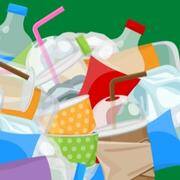
3. Recyclable Waste
Every discarded item, such as furniture, metals, and organic waste, is recycled under this category of recyclable water.
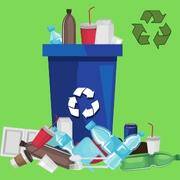
4. Organic Waste
It refers to gardens, food waste, and rotten meat. Such garbage is usually found in homes.
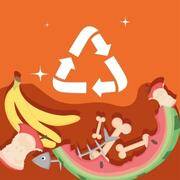
5. Hazardous Waste
It includes corrosive, flammable, reactive, nuclear, and toxic materials.
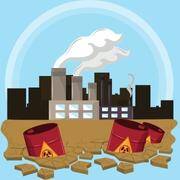
Chief Principles Of Waste Management
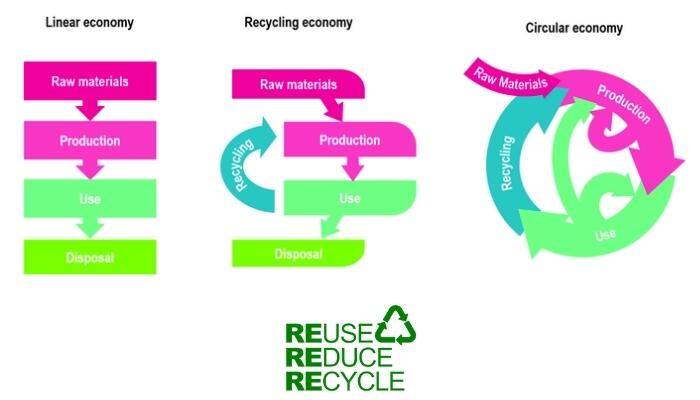
- 3R’s rule, waste hierarchy refers to the Reduce, Reuse, and Recycle, along with waste prevention and minimization to attain the desired goal.
- Extended producers add environmental cleanup costs to their product prices, considering how to dispose of them when they’re done using them.
- Polluter pay when they makes a mess or creates trash, they should help pay for cleaning it up.
What Is A Waste Management App?
A waste management app is a digital solution designed to streamline waste collection and disposal processes. It offers users access to local waste management policies, schedules, and guidelines. Through the app, users can monitor waste pickups, set reminders, and track collection statuses.
These apps benefit both users and waste management organizations by simplifying operations and ensuring efficient waste handling. Additionally, they may include features such as recycling tips, complaint reporting, and eco-friendly practices, promoting sustainable waste management.
Smart waste management using IOT
Why Develop A Waste Management App? Waste Management Benefits
Investing in waste management mobile app development opens several opportunities. The demand for sustainability and the rise in technology led to innovation in the waste management sector. It’s not only beneficial for the environment but, at the same time, a profitable venture for entrepreneurs.
Speaking of which, the global smart waste management market is expected to reach U.S. 2,718.86 billion in 2024. The market was expected to grow with a CAGR of 14.98 percent, expected to reach 6.2 billion dollars by 2030.
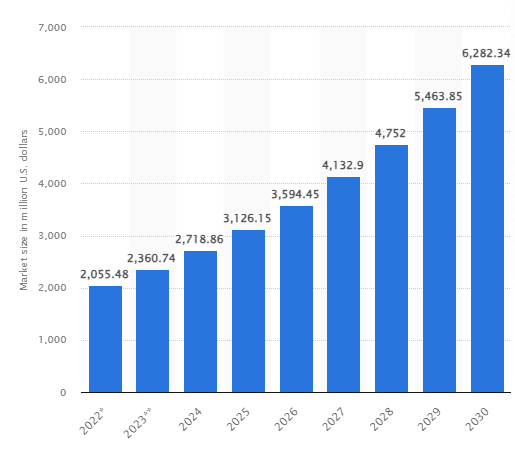
Another report shows that the global digital waste management solution market will reach USD 7.69 billion by 2032. The major players in the waste management software market are Waste Management, Inc., IBM Corporation, and Waste Logics.
The reason behind this surge is growing awareness of environmental issues and technological advancements like IoT, AI, and data analytics. So, investing in waste management software can streamline businesses’ waste management procedures and boost efficiency with lower costs.
These market stats are convincing enough to get you started with waste collection app development. Additionally, we can delve into the various benefits such an app can offer.
1. Streamlines waste collection processes
Waste management mobile applications can automate scheduling, route optimization, and task assignments, making the waste collection process more efficient. This will accelerate the process of pickups and service delivery.
2. Enhances real-time tracking of waste disposal
With GPS and tracking features, the app allows users to monitor the location of collection vehicles in real-time. This transparency helps manage expectations and improve accountability for waste management services.
3. Improves communication between waste management teams and customers
The app for waste collection can facilitate direct communication channels where customers can report issues, schedule pickups, or provide feedback. This enhances customer service and fosters a better relationship between users and waste management providers.
4. Reduces operational costs through automation
With the app, users can automate schedules, routing, and reporting, which can minimize manual labor and human error and lead to significant cost savings. Efficient resource allocation can also help in reducing fuel and maintenance expenses.
5. Increases environmental sustainability efforts
The app can promote eco-friendly practices by encouraging recycling and proper waste segregation. It can provide insights into waste generation patterns, helping municipalities develop better sustainability initiatives.
6. Provides data-driven insights for better decision-making
The app can collect and analyze data on waste generation, disposal patterns, and service efficiency. This information enables waste management authorities to make informed decisions, optimize operations, and implement effective policies.
How Does A Waste Management App Work?
Before you build an application for waste management, you should know how it works. Let’s gear up.
1. Data Collection
As was traditionally done, GPS devices were used to identify and collect data on dumping areas and dustbin locations.
2. Server
The cloud hosting server stores all the information (collected above, like Dumping areas and dustbins geolocation, contractors’ details, complaints, and job sheets) for better system integration and maintenance.
3. Web and Mobile Application
The waste management mobile app functions for contractors and administrators. After the garbage collecting job is assigned to the contractor, the admin monitors his work. On the other hand, the appointed contractor updates his work progress until completion.
1. In-Detail Working of App for Contractor
- Using the app, the contractor is assigned the garbage collection job.
- The contractor manages the garbage complaints (from users) to solve different categorized issues, like bin full or defective bins.
- Next, the contractor uses a geospatial interface via a mobile app to know the exact location of the assigned work.
- Later on, after completing his job, he shares a picture of his job.
- The assigned job will be changed to a completed job.
2. In-Detail Working of App for Administration
The e-waste management app was developed for admins who appoint a dedicated contractor to resolve the complaint. Also, they monitor the job in progress or done by the contractor. Besides, the admins can manage the location of dumping areas and dustbins and view the most problematic ones based on the reports.
Types Of Waste Management Apps

A waste management business incorporates varied phases and jobs till the end of complete waste management.
So, if you want to be a part of waste management and earn profit by building a waste management app, you can choose any type to develop an app.
Let’s check out the types of waste management apps:
1. Waste Tracking App
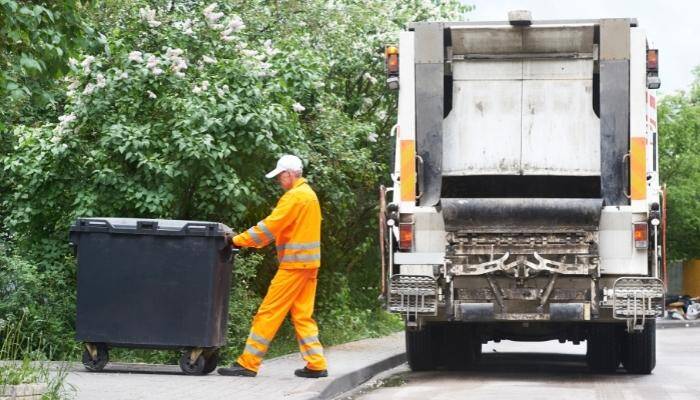
What is a Waste Tracking App?
Such an app allows the users to locate the routes of types of waste, embracing residential, recycling, or commercial.
Using these apps, the fleet manager would find it easy to log in to the special activities that will keep them posted about the entire route.
Disposal, extras, skips, lifts, and all the possible activities are linked with a location and time stamp calculation, and the records manage fleet productivity.
Besides, the waste truck management app offers a complete solution for fleet owners providing waste collection and disposal services. Such an app will help fleet managers monitor driver behavior and daily performance, track fleet routes, and more in real time.
Key Features of a Waste Tracking App
- Real-Time Location & Activity Tracking
- Live-Streaming Vehicle Cameras
- Dependable Maintenance Workflow
- Track And Improve Driver Behavior
- Advanced Sensors
- Digital DVIRs
- Activity Alerts
- Fuel Card Integrations
- Fleet Reports
2. Weighbridge Management App
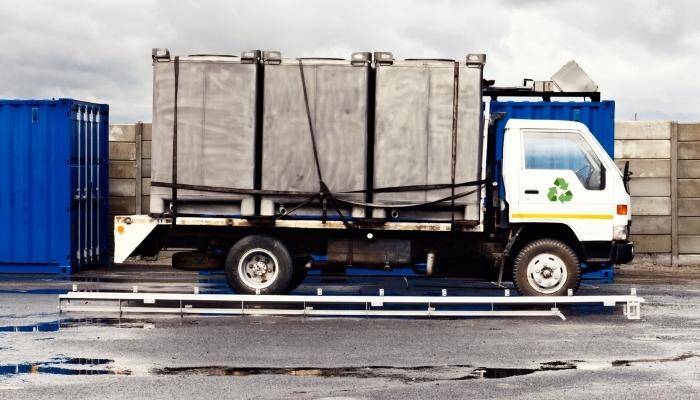
What is a Weighbridge Management App?
Such an app will automate the process and speed up every weighbridge process, such as driver details, vehicle weighting, truck number, and previous data validation at distinct checkpoints.
These apps aim to attain process efficiency and get real-time data. It includes the integration of boom barriers, camera, third-party, and barcode integration for smooth working.
Key Features of a Weighbridge Management App
- Weighbridge Integration
- RFID Tags and GPS Tracking
- Barcode and QR code Integration
- Data Analysis and Report Generation
- ANPR Camera
- Boom Barriers
- Data generation & Reconciliation
3. Waste Compliance App
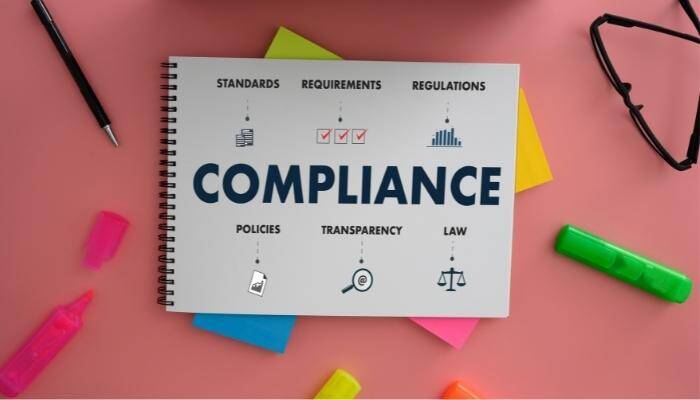
What is a Waste Compliance App?
This app eases waste management operations with efficient waste storage manifesting, time tracking, and reporting to ensure complete compliance with global waste management regulations.
Key Features of a Waste Compliance App
- Physical Inspection Details (Field conditions verification details)
- Monitoring & Verification Reports (of machines used to accept and process waste)
- Dumps Inspection Analysis Report
- Biomedical Waste Inspection Details
- GPS Tracking Monitoring
- Barcode Tracking Module
- Complains Inspection Section
- Illegal Activities Monitoring
- Monitoring Compliance
- Operational Compliance
4. Hazardous Waste Management App
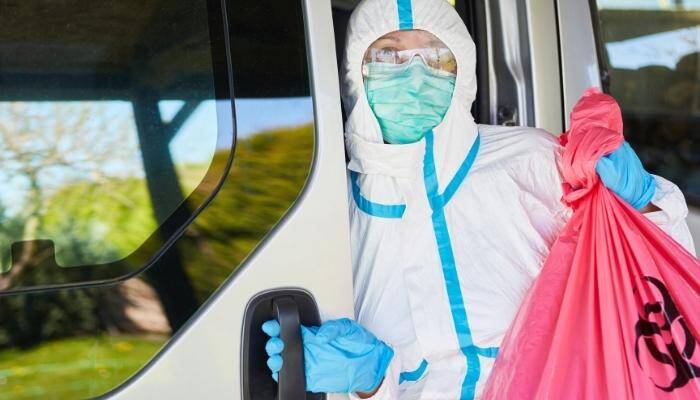
What is a Hazardous Waste Management App?
The hazardous waste management app helps meet various jobs, like waste collection, treatment, and disposal of waste material that may affect the environment’s safety or human health.
Key Features of a Hazardous Waste Management App
- Container Tracking
- Waste Labels
- Waste Inventory
- Waste Area Inspections
- Waste Shipments
- Customer Portal
- Waste Inventory
- Waste Creation
- Tracking Items
- Waste Movements
- Storage Units
- Waste Profiles
- Weighing Waste
- Shipping and Disposal
- Waste Tracking Labels
- Splitting Waste
- Combining Waste
- Audit Logging
5. Asset Maintenance And Management App

What is an Asset Maintenance And Management App?
These apps incorporate QR code inventory tracking modules that help keep every asset data in a single centralized asset management solution exhibited on a complete asset tracking dashboard.
Key Features of an Asset Maintenance And Management App
- Energy Monitoring
- Close fit for your business
- Manage all types of equipment
- Procurement Management
- Self-diagnosis
- Real-Time Reports
- Historical Data
- Improves system reliability
- Reuse of knowledge
- Communication barriers lifted
- Reminder & Escalation
- Work Order Tracking
- Solution Bank
- Spare Management
- Geo-Location Tracking
- Customizable
6. Waste Recycling App
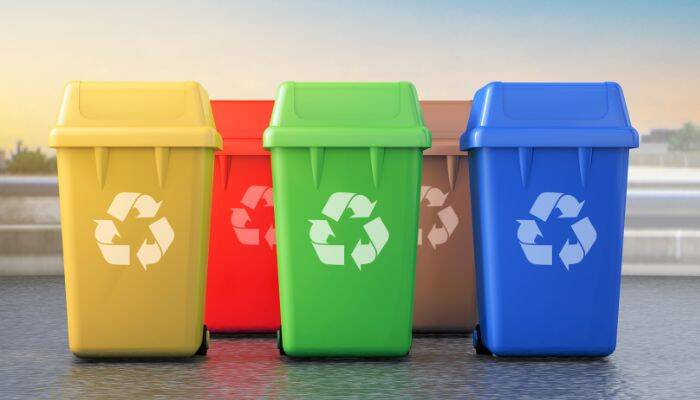
Such an app helps communities, enterprises, and individuals to manage and recycle their waste more proficiently. Besides, waste recycling app development is helpful in waste sorting and reduction, scheduling and reminding communities about recycling pickups, etc. It also educates users on proper waste recycling with a detailed process.
Key Features of Waste Recycle App
- In-app Calling
- Multi-language
- Personal Settings
- Better Lead Generation
- Push Notifications
- Garbage Navigation
Convert Your App Idea Into Reality
Let’s Build A New App Together
Key Features Of Waste Management Apps
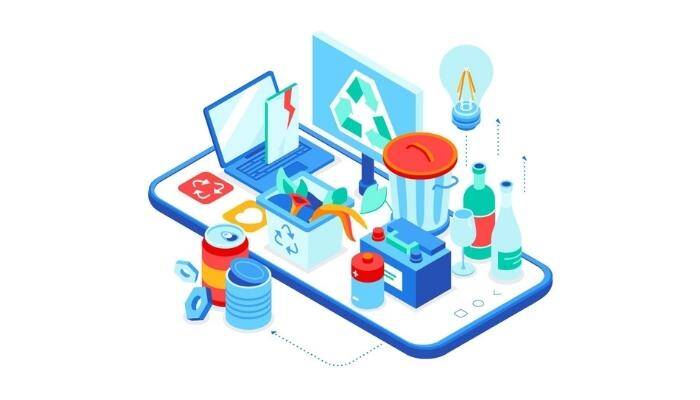
Below are the key features you can include in your waste management applications. Let’s check them out:
1. Waste Classification
The app will ease the classification of waste, such as e-waste, hazardous, non-hazardous, etc.
2. Waste Management
The app will hold the caliber to manage almost all types of waste, embracing food/organic waste, plastic waste, paper waste, electronic waste cans/bottles, and other chemical wastes, along with its disposable modes.
3. Waste Compliance Monitoring
This feature will make the app formulate and implement compliance monitoring strategies, on-site and off-site compliance monitoring, and compliance auditing.
4. Waste Processing
The app will ease the waste processing or disposal methods.
5. Waste Inventory Tracking by WIRKS
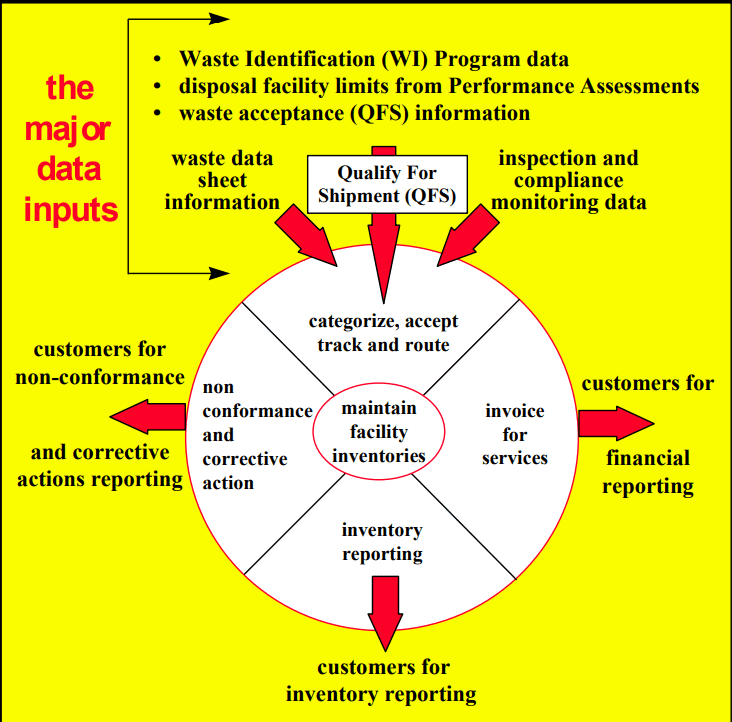
The app will track the waste inventory accurately. The app employs the principle of Waste Inventory Record Keeping Systems for hazardous wastes.
6. Waste Disposal Costs Estimation
With this feature, the app will ease cost estimation of waste disposal and invoice management for every vendor.
7. Risk Management/Safety Guide
The app will help with hazardous waste handling instructions with such a feature.
8. Waste Traceability
The app facilitates the entire traceability of the waste disposal, generation, sent for processing, sent for landfill, and returnable/non-returnable.
A Step-by-Step Process For A Waste Management Mobile App Development
Now that you know the types of waste management apps. You can start your development process with this comprehensive guide. Take a look.
1. Identify business objectives and target audience.
The waste management mobile application development starts with defining your business goals and the target audience you want to serve. This helps you meet specific needs and expectations in the entire mobile app development process.
2. Conduct market research and competitor analysis.
Now, conduct thorough market research to identify existing waste management apps’ strengths and weaknesses. This will also help you in understanding market trends and user preferences, allowing you to differentiate your app.
3. Define app features and functionalities.
Based on your market research, decide on the crucial app features and functionalities. You can choose waste tracking, scheduling, notifications, and reporting tools. Just make sure you prioritize functionalities that align with your business objectives.
4. Design user interface (UI) and user experience (UX)
Ask your team of UI/UX designers to create wireframes and prototypes to visualize the app’s layout and flow. Focus on designing an intuitive UI and a seamless UX to ensure users can navigate the app easily.
5. Develop the mobile app backend and frontend
Now, developers will write clean code and start developing the backend (server-side) and frontend (client-side). Ensure that both components work harmoniously to deliver a smooth user experience.
6. Integrate third-party services and APIs
To enhance your app functionality, you need to integrate third-party services, such as payment gateways, mapping services, or cloud storage solutions. APIs can streamline processes and add value to your app.
7. Test the app for bugs and performance issues
After completing the development, conduct thorough testing to identify bugs and errors or any performance issues. This includes functional testing, performance testing, and usability testing to ensure the app runs smoothly across every platform.
8. Launch the app on app stores
Once you are satisfied with the testing results. It’s time to prepare for your app launch. Submit the app to relevant app stores like the Play Store and App Store and promote it to your target audience.
How Much Does It Cost To Build A Waste Management App?
The cost of building a waste management app ranges from $20,000-$200,000, depending on various factors. These factors include the app’s platform, the location of the mobile app developers, features, and functionality. Let’s discuss these factors in detail.
Mobile Platform (Android, iOS, or Windows)
The app platform you choose to develop your application also decides the app development cost, like Android, Windows, and iOS.
If you have a limited budget, you can build an iOS waste management app, as an Android waste management app will comparatively cost you more. It’s because various device tests increase the app development cost.
2. Team Size of App Development
The mobile app development team size also impacts the cost of app development. You can hire a team as per your project needs.
You can:
- Hire a team of professional
- Choose a freelance option
- Hire an app development company
You can hire them on a yearly, monthly, or weekly basis.
3. App Design
This factor is vital in developing an engaging waste management app with a captivating design that may attract more users. But it may cost you more.
4. Location of Developers
The location of the developers you hire may increase the app development cost if they don’t reside in your nearby areas. So, hire the developers accordingly.
5. App Features
You can choose to develop a basic app, a mid-level one, or a complex app. The functionalities and features you include in your app will decide the app development cost, and the complex app encapsulates advanced features so that it may charge you more.
These are not enough factors, but they are the basic ones you should consider when kickstarting your waste management business on an app.
Tools And Technologies Required For The Development Of Waste Management App
The right set of tools and technologies ensures your waste management app functions smoothly across different platforms. We have created a list of some essential tools and technologies for waste management app development. Take a look.
| Category | Tools and technologies |
|---|---|
| Programming languages | Java, Swift, Kotlin |
| Frameworks | React Native, Flutter |
| Backend development | Node.js, Django, Ruby on Rails |
| Database | MongoDB, PostgreSQL, Firebase |
| APIs | RESTful APIs, GrapghQL |
| Cloud services | AWS, Google Cloud, Microsoft Azure |
| Payment integration | Stripe, PayPal |
| Mapping services | Google Maps API, Mapbox |
| Testing tools | Jest, Selenium, Appium |
| Version Control | Git, GitHub |
| Design Tools | Figma, Adobe XD, Sketch |
Custom Waste Management Apps – To Meet Customized Needs
Usually, the clients arrive with custom needs that they don’t find in the standard offerings. Here, the custom waste management app takes an entry.
Such apps include advanced and customized features that facilitate waste operations to access waste inventory management systems, billing and accounting systems, and analytics utilizing an integrated platform.
Below are some apps you can develop, including custom waste management features to make them fulfill all customized business requirements.
1. Waste Management Billing App
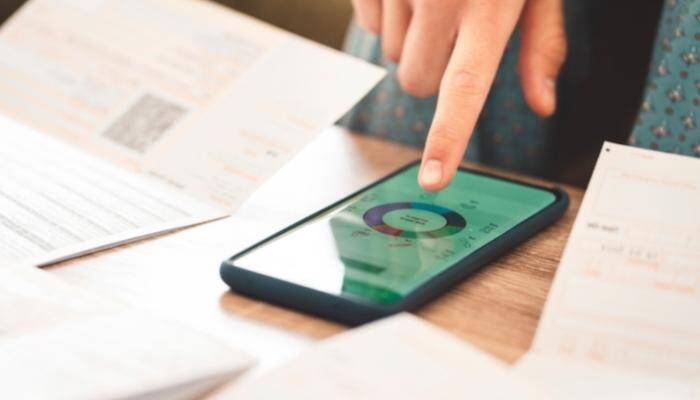
You can develop a Waste Management Billing App for your complete operation, targeting electronic billing platforms development that backs online statements, payments, promotions, bulk mail discounts, invoices, and price configurations.
Such apps help with robust billing options, rapid data entry, and general accounting.
2. Waste-to-Energy (WTE) App
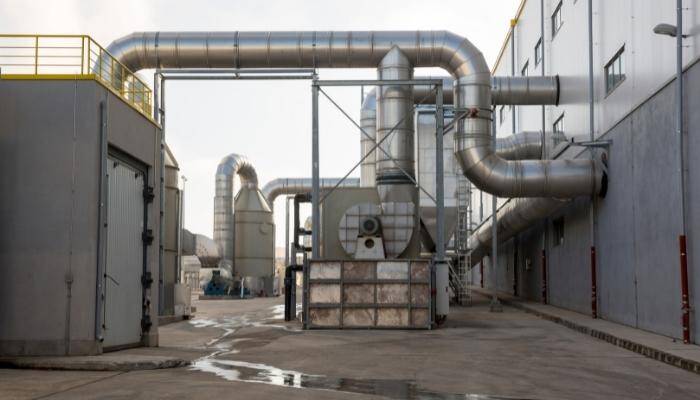
You can build a custom Waste-to-Energy App targeting monitoring, tracking, and automating every phase of the waste-to-energy conversion process for transporting, sorting, and saving them to thermal, mechanical, and biochemical conversions. Besides, such apps allow complete visibility and control over waste processing operations, allowing you to track the entire energy recovery process effectively.
3. Waste Inventory Management App

You can emerge with a decision to make a Waste Inventory Management app to deliver full visibility and complete control of waste logistics for hazardous and non-hazardous materials and subcontractor or in-house recycling materials planning process.
4. Analysis & Monitoring Software App

Such customized applications for waste management enterprises incorporate intelligence, reporting, and analytics tools to offer deep insights into waste management operations to catch up with more profits.
5. Recycling Materials Management App

You can build top-notch Recycling Materials Management Apps to handle the complex recycling process, refurbishing, and reprocessing recycled materials, well-equipped with input and output monitoring potentials for maximized visibility.
6. Landfill/Transfer-Station Management App
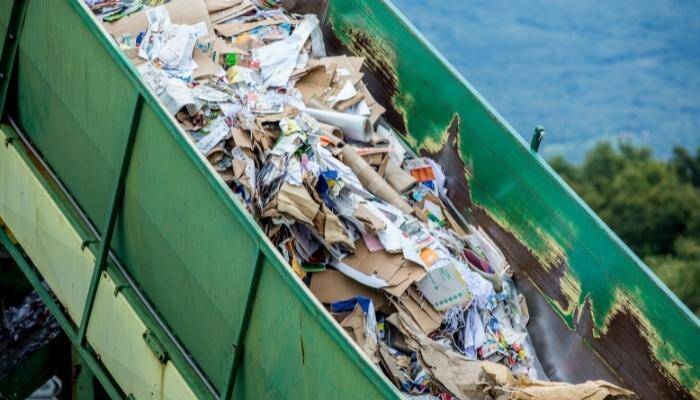
The Landfill/station management apps help run ticketing, booking, yard, and scale house management in a centralized platform for outbound material planning, recording, and improved real-time inventory management and reporting.
Waste Management App Integrations
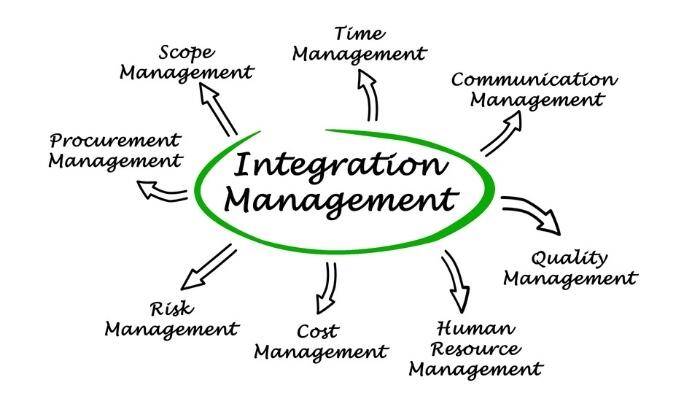
You can integrate 3rd-party workforce management, electronic ticketing, billing & accounting, routing optimization, and other top tools to improve service delivery, drive engagement, and optimize waste management processes into a single centralized system.
Let’s go through some popular tools that you can integrate with your waste management app:
1. Routing Optimization Tools
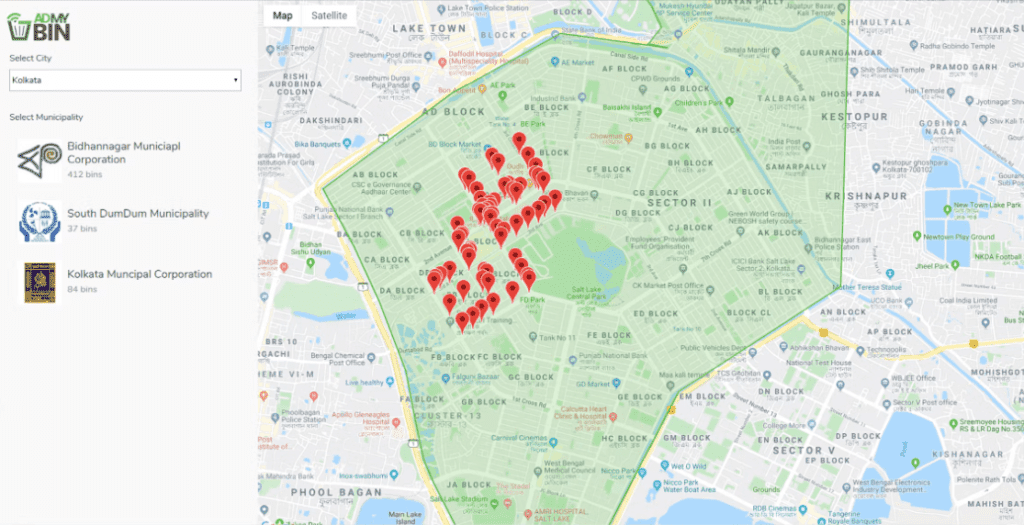
You can integrate geolocation APIS to enable your fleet drivers to use the most effective routes and telematics solutions for real-time dispatching, communication, and asset tracking to improve operational efficiency.
2. Scale Management & Landfill Software
Besides, you can move ahead with the integration of transfer station, landfill, and MRF scale management software to instill company growth using a seamless ticket entry process, multi-dimensional code tables, and intuitive search engines for perfect reporting.
3. Billing & Accounting Software
You can integrate smart billing and accounting tools into your current back-office systems, which are well-equipped with a user-friendly dashboard potential for complete control and visibility over waste-hauling business expenditures, statements, invoices, and e-payments.
4. Waste Management API Integration
Furthermore, an industry-leading waste management solution integration will help roll-off, commercial, and residential waste businesses in waste logistics management, work order generation, workers/driver tracking, truck weights calculation, and more.
Garbage Management App For Smart & Clean City
We usually encounter various solid waste management system issues, like failure to measure containers’ fullness and pre-filled containers that need to be in queue until the next lot arrives, leading to time wastage, increased fuel consumption, and more.
At this edge, a savior takes an entry, namely smart waste management. Such a system targets resolving the abovementioned issues by utilizing intelligent monitoring systems, sensors, and mobile apps.
1. Sensors
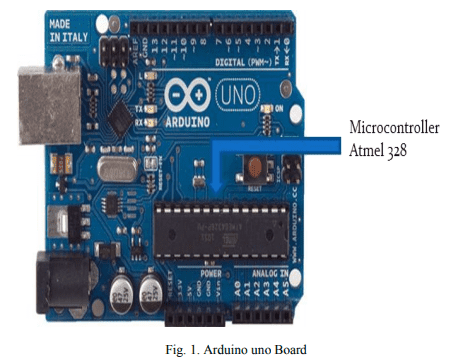
First, let’s talk about sensors. Such a solution holds the caliber to measure the containers’ fill level, send updated information anytime, and alert the scrap management services to empty them when they become full or almost complete.
The smart waste management devices assist in optimizing the best route for the drivers with fully-filled containers and craft smart schedules that may prove to be time-efficient. Such devices assist in reducing trash collection staff by conducting their duties of container selection.
Further, such trash management systems alert the municipalities and waste management brands if any unwanted incident takes place, such as container displacement or temperature rise, by using GPS features.
2. Intelligent Monitoring Systems & IoT Solutions for Waste Management
Solid waste management issues provide municipalities with real-time insights and data intelligence. Considering that previous data helps recognize the filling levels of specific containers, everything is managed accordingly for a long time. Also, IoT solutions help with customer demographic analysis.
3. Mobile Apps
Similarly, the challenges faced by regular waste management systems can be met through hardware solutions, like apps for drivers’ tracking while on duty and operations.
| Admin Panel | General Public | Driver |
|---|---|---|
| Login | Register | Login |
| Create Garbage bin | Login | Check daily work updates |
| Update/Delete garbage bin | Register complaint | Choose best route |
| Assign best route for drivers | My complaint & status | Update garbage load |
| Manage driver | ||
| View Garbage Report | ||
| Assign the best route for drivers |
Business Model Of Waste Management App
Let’s review the business model of waste management companies.
1. Customer Segments
Waste management arrives with specialized waste disposal and management solutions to a varied customer base. The customers are categorized as below:




1. Commercial Customers
It includes commercial operations across various sectors to which the brands offer the best services, like electronics recycling and security.
2. Residential Customers
It incorporates residential renters and homeowners, and the company offers services like portable storage, dumpster collection, and curbside pickup.
3. Municipal Customers
It comprises local government and municipal bodies and public organizations.
4. Industrial Customers
It includes many industrial entities, like manufacturers, construction firms, food services, and healthcare providers.
2. Channels


1. Waste Management Website
Well, waste management websites offer information on many unique solutions and services, facility areas, and sustainability operations. The customers check the service availability in their location and request pickups and services.
2. Waste Management Apps
Moreover, the waste management applications allow the users to manage their payments and account details and track pickup schedules.
Revenue Model Of Waste Tracking & Recycling Management App
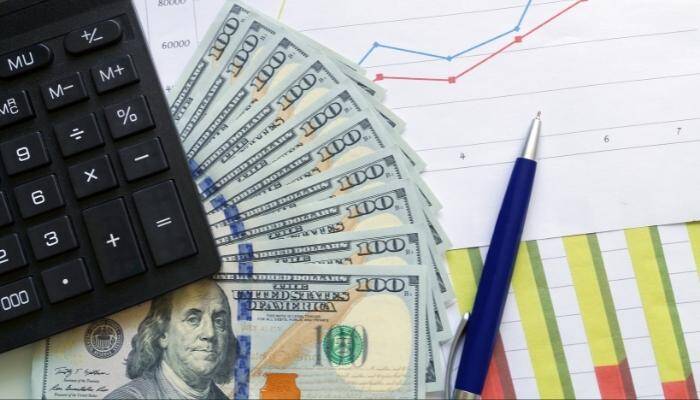
Businesses seek innovative solutions to streamline their waste processes. A well-structured revenue model is essential for the app’s success. By understanding these models, you can create a sustainable financial foundation for your app while contributing to a cleaner and greener future.
1. Subscription-based model
In this model, users have to pay a recurring fee to access premium features such as advanced analytics and enhanced tracking capabilities. This model can provide a steady revenue stream and encourage user retention.
2. Pay-per-use model
This is quite a popular model, also called a billing model. In this model, customers get charged based on how much a product or service they use. This model can be a reliable source of income for businesses.
3. Advertising-based model
With this model, companies generate revenue by selling advertisement space to other businesses or brands on their platform. By adopting this model, you can generate scalable income for your waste management platform.
4. Freemium model
Freemium is the most common model, where a company offers its product or service for free, and users can use some basic features and functionalities. At the same time, charging for advanced features and functionalities.
5. Data monetization model
This model refers to the strategies and methods through which organizations generate revenue by selling their data. The waste management app can sell insights on waste generation patterns to municipalities.
What Are The Challenges Waste Management Companies Face?
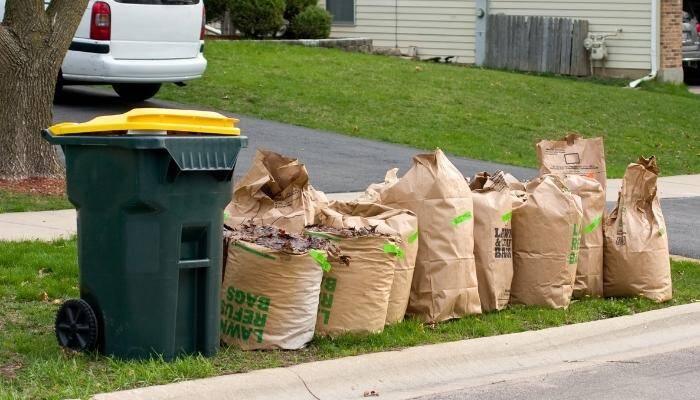
Well, obviously, every good thing comes with something unfavorable. The same happens with waste management companies; they experience some difficulties while running their waste management businesses.
Let’s check them out:
1. Finance And Operational Sustainability Maintenance
The waste management businesses’ potential to catch up with success is affected by the shortage of tracking tools and automated systems that loosen up the control in routine operations.
2. Increasing Costs Of Encountering A Uniform Solution
The waste management companies fail to discover a uniform solution that makes them use ineffective, high-priced, and time-consuming waste transportation and recycling modes.
3. Monitor Assets And Regulatory Compliance
The shortage of the right tracking tools leads to improper usage of assets that prove to be best for waste transportation devices and vehicles for segregating medical waste, food waste, solid waste, and other litter.
App Development Team Required To Develop A Waste Management App

To develop successful e-waste management software or apps, you need to hire a reliable team that understands your project requirements and works accordingly.
Generally, the app development team includes the following team members:
- Project Manager
- UX/UI Designer
- App Developers
- Front-end Developers
- Back-end Developers
- Quality Analyst
- App Tester
How Can EmizenTech Help For Your Waste Management Mobile App Development Journey
Waste management app development can be overwhelming for some people as it involves various choices and decisions. If it’s your first time, then we are here to help you get started.
As a leading mobile app development company, we have a record of developing apps in varied industry domains. So, our experience will say it all. We also offer specialized waste management app development services that incorporate essential features tailored for waste collectors, drivers/helpers, and ward managers.
Moreover, material recovery managers, transfer station supervisors, city admin, residents, industrial people, and commercial crowds also benefit from the waste management app.
If you have unique waste management app ideas, our team of professionals can convert your waste management app idea according to your business needs.
Key Highlights of Emizentech
- Clutch Awarded
- On-time Delivery
- Engaging Portfolio
- Better Customer Feedback
- High-quality Project Delivery
- High-end Security
- On-going Support & Maintenance
Wrapping Up
The waste management app is a powerful tool that revolutionizes how we manage our waste and promote sustainable practices. It benefits not only businesses but also commercial entities and municipal organizations.
With this blog, you can start developing your waste management app without any delay. All you need is a reliable partner by your side, and you are on your way to making a positive impact.
Partnering with us means choosing a robust and innovative approach that saves you both time and money. Our team brings expertise and cutting-edge technology to the table, ensuring that your app meets the needs of your business.
Frequently Asked Questions (FAQs)
How long does it take to build a waste management mobile app?
Typically, it takes about four to six months to develop a waste management mobile app, depending on the complexity of your app.
How do I choose the right development partner for my waste management app?
Look for a partner with experience in mobile app development, a strong portfolio, and expertise in sustainability or waste management solutions.
What are the trends in waste management app development?
Current trends include real-time tracking, AI-driven analytics, gamification for user engagement, and integration with IoT devices for smarter waste management.
How can I promote my waste management app to users?
Create a promotion strategy, leverage social media platforms, collaborate with influencers that promote sustainability, partner with local governments, and target advertising to raise awareness and attract users.
Can a waste management app integrate with existing recycling programs?
Yes, a waste management app can be designed to integrate seamlessly with existing recycling programs, enhancing their efficiency and user accessibility.



 +1 (989) 535-9295
 info@emizentech.com
 emizentech


