
 Add us as a preferred source on Google
 As consumer demand increases, the fashion industry faces challenges in resource management and environmental regulations. This has led to new business models, like clothes-renting apps, which have become quite popular among Gen Z.
Today, fast fashion consumption is higher than before, contributing to environmental degradation at a mass level. It’s been reported that fashion is the most polluting industry. Emissions from textile manufacturing alone are projected to skyrocket by 60% by 2030.
As awareness of environmental issues increases, the demand for renting rather than owning is becoming more appealing. The rise of e-commerce, social media influence, and a focus on sustainability are also reshaping how consumers interact with fashion.
Renting clothes offers a flexible, cost-effective solution that allows individuals to enjoy a variety of styles without the commitment of ownership.
Because of this, the online clothing rental market was worth USD 2,279 million in 2023 and is expected to reach USD 6,244.1 million by 2033.
So, if you are planning to invest in clothes rental app development, wait no more because it is more than just a business opportunity. It is a response to a growing demand for sustainable and convenient fashion solutions.
Such an app would provide users with easy access to diverse wardrobes, promote eco-friendliness, and cater to the evolving preferences of modern consumers. Businesses are leading this transformation and leveraging technology to build innovative clothes rental apps.
If you want to develop a cloth rental app, this comprehensive guide will delve into everything related to cloth rental mobile app development.
What is a cloth rental mobile app?
Like every other renting app, clothes rental apps are designed to rent clothes for all occasions and sizes for a certain period of time. Whether it’s for a wedding, office party, or birthday bash, users can easily rent clothes via these apps.
Rent the Runway, Tulerie, and Nuuly are some of the popular renting apps that provide users with the latest styles at minimal renting rates.
A cloth rental app offers numerous benefits, especially in promoting sustainability and providing access to diverse fashion choices. This concept has completely transformed the way people consume fashion.
Therefore, investing in cloth renting app development is a profitable venture for fashion retailers as it fulfills the needs of sustainable-conscious users and is quite a popular niche among Gen Z.
Cloth-renting apps are designed to provide fashion-related services such as shopping assistance, outfit suggestions, and social networking for fashion enthusiasts.
To enhance the functionality of your cloth rental mobile app, you can integrate advanced technology such as AI, ML, and augmented reality to provide personalized fashion experiences to the users.
This app allows users to browse a variety of clothes or accessories. They can also add items to wish lists, receive notifications about sales and discounts, and connect with like-minded people worldwide.
So, before you invest in clothing app development, weigh its advantages and disadvantages to understand them better.
Market stats of online cloth rental mobile app
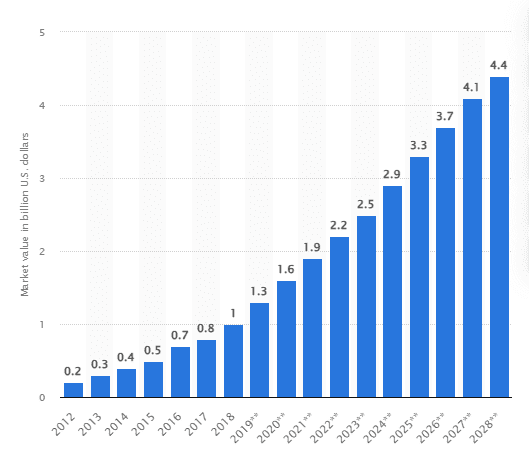
Before you invest in clothes rental app development, explore some market stats to understand this industry better. Statista shows that the global rental apparel industry will generate around 4.4 billion dollars in 2028.
A report states that the development of the cloth rental app is transforming the clothing industry, and formal attire is said to command a 48% market share.
Another report shows that the global online clothing rental market size was projected to reach $2.6 billion by 2032, with a CAGR of 9.2% from 2023 to 2032.
The North American region is emerging as the fastest-growing market for online dress rental apps. One of the reasons why this renting segment become popular is because renting outfits for one-time use is significantly cheaper than purchasing. So that budget-conscious individuals can adapt to the latest style without emptying their pockets.
Therefore, when you invest in fashion rental app development, you are catering to budget-conscious individuals and promoting sustainability.
With this being said, let’s explore the benefits of the cloth rental mobile app in the next section.
Benefits of cloth rental app Development
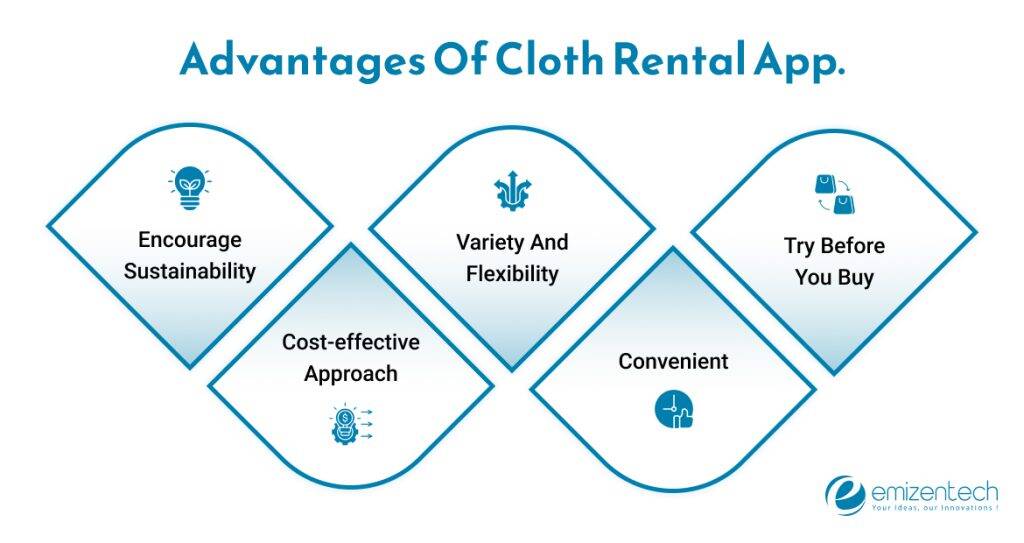
Cloth-renting mobile apps have gained transition due to their convenience and sustainability. Let’s discover benefits for both customers and businesses:
For Customers
1. Cost-effective
With cloth rental apps, renting clothes is often cheaper than purchasing them, especially for high-end or designer items. Customers can save money on outfits they may only wear once.
2. Various choice
Users can find various styles, whether traditional or party outfits. They can get every product in one place, saving money on outfits they may only wear once.
3. Convenience
Easy browsing and ordering from the comfort of home. Quick delivery and return processes streamline the rental experience.
4. Sustainability
Renting reduces waste and promotes eco-friendly fashion practices. Customers contribute to a circular economy by reusing clothing.
5. Special occasion outfits
It is ideal for events like weddings, parties, or vacations where one-time outfits are needed. It also provides access to unique or designer pieces that might be too expensive to buy.
For Businesses
1. Increased revenue streams
Investing in dress rental application development can diversify income sources beyond traditional retail sales.
2. Wider customer reach
Cloth retailers can expand their customer reach with the cloth rental mobile app, which enables businesses to reach a larger audience, including customers who prefer online shopping.
3. Brand loyalty and engagement
With mobile apps, you can engage users through loyalty programs, discounts, and personalized experiences that foster brand loyalty.
4. Inventory optimization
Focusing on high-demand items can help businesses manage inventory more efficiently. Data analytics can also inform purchasing decisions and trends.
5. Reduced overhead costs
Rental models can lower costs associated with unsold inventory and markdowns. If the focus is on online sales, there is less need for physical retail space.
6. Market trends
Adapting to the growing trends of the shared economy and changing consumer preferences towards renting over owning.
Cloth rental mobile apps present a win-win situation for both customers and businesses. Customers enjoy cost savings, variety, and sustainability, while companies can improve their brand image.
As fashion continues to evolve, cloth rental services are likely to shape consumer habits and business strategies significantly. In the next section, we will explore how the cloth rental app works.
How does the cloth rental mobile app work?
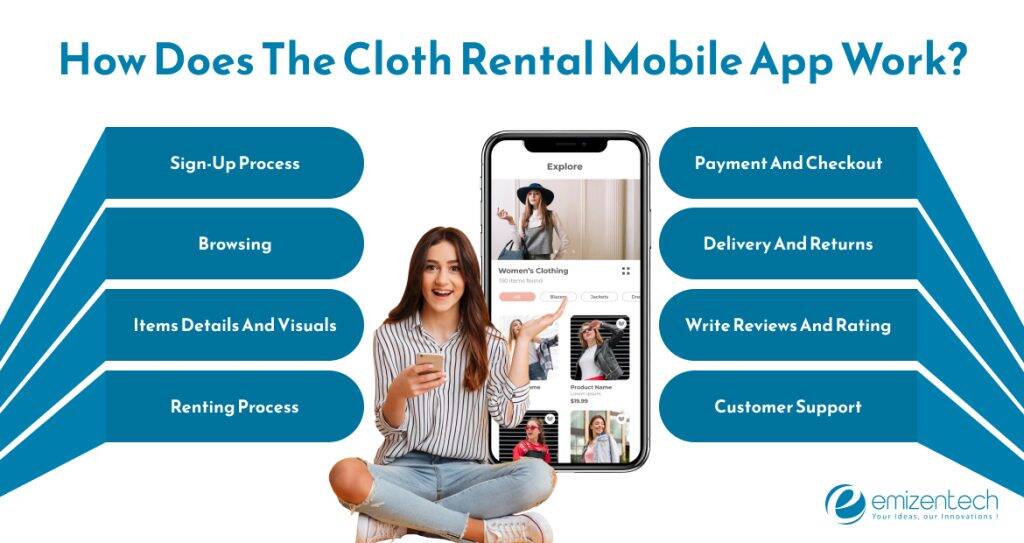
A rental cloth mobile app works differently for owners or users looking to rent clothes. These apps have emerged as popular solutions for consumers looking for affordable, sustainable, and stylish clothing options.
With these platforms, users are able to rent clothes for various occasions without having to commit to purchasing.
Let’s look at how the cloth rental mobile app works:
1. Sign-up process
Users typically start the sign-up process by creating an account using their email or social media accounts. Some apps may also offer guests limited access for a limited experience. Users can fill out their profiles with size preferences, style choices, and occasion types to tailor recommendations.
2. Browsing
The app features a vast catalog of clothing items categorized by type, such as dresses, suits, casual wear, and clothing for special occasions, such as weddings, parties, or work. Users can search for specific items or filter results based on size, color, brand, and rental price.
3. Items details and visuals
Each product includes a high-quality image with a detailed description, including fabric type, care instructions, and rental prices. Also, users can check product images from different angles and models showing how it will look after wearing.
4. Renting process
Users can choose how long they want to rent an item, typically ranging from a few days to several weeks. However, the pricing structure may based on the rental duration, with discounts for longer rentals.
5. Payment and checkout
After choosing the item, users can pay through various methods, including credit/debit cards, digital wallets, and installment plans. After payment, users receive an order confirmation with details about the rental period and return instructions.
6. Delivery and returns
When it comes to delivery, many apps offer free shipping both ways. User can receive the clothing item at their specified address within their given timeline. After the rental period, users can return the item using a prepaid return label provided in the package, simplifying the return process.
7. Write reviews and rating
After successfully renting the process, users can write a review about the product or the delivery services, helping others to make an informed decision. They can also engage with other users through comments or forums to enhance the experience and provide style inspiration.
8. Customer support
A dedicated help center answers common questions about rentals, payments, and returns. Many apps also offer live chat support for immediate assistance, improving customer satisfaction.
Types of clothing rental app development

Before you invest in a clothing rental app, explore various types and determine which model best suits your business idea and target audience. Every category is unique and presents unique opportunities and challenges.
So, whether you choose to develop a fashion rental app focused on sustainability, luxury, or everyday wear, the potential for growth in this sector is significant.
Just make sure to hire an experienced mobile app development company that helps you navigate the development process effectively, ensuring that your vision can turn into a successful clothing rental platform.
Let’s explore the following types:
1. Occasion-Based Clothing Rental Apps
These apps allow users to rent outfits for specific events, such as parties, weddings, and every kind of meeting or festival. Some popular examples are Rent the Runway and GLAM CORNER. These apps provide a wide selection of dresses and designer outfits for special occasions.
Moreover, GLAMCORNER specializes in formal and evening wear rentals in Australia. If you wish to create an app like Rent the Runway, explore some of its features to understand better what you can include in occasion-based clothing rental apps.
Features:
- Event-based specific filters (e.g., weddings and proms).
- Virtual fitting rooms for size and style selection.
- User reviews and ratings for outfits.
2. Subscription-Based Rental Apps
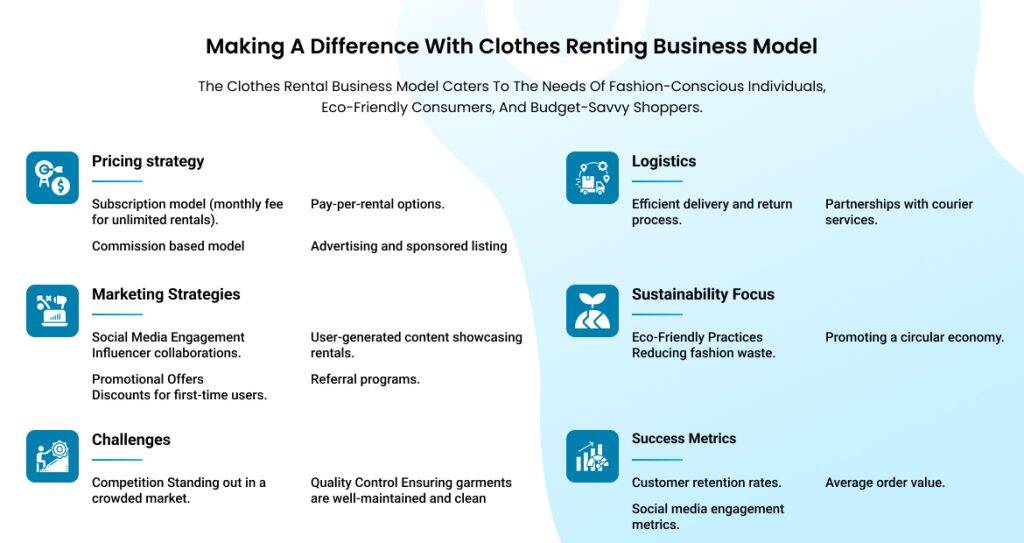
If you are planning to create a subscription-based dress rental app, you must first understand the concept of these apps. They offer monthly or yearly subscription plans for users to rent a fixed number of clothing items or accessories.
Apps like Le Tote allow users to rent a set number of clothing items per month with unlimited exchanges. Another popular app is Nuuly, a subscription service that allows users to rent six items each month from various brands.
Features:
- Personalized styling based on user preferences.
- Easy return process with prepaid shipping labels.
- Option to purchase items at a discount.
3. Peer-to-Peer Clothing Rental Apps
Peer-to-peer clothing rental apps connect users who want to lend out their clothes with customers who are interested in renting them. One of the popular P2P platforms is Tulerie, which lets users lend luxury clothes and accessories in one place. If you are planning to build a P2P platform for cloth renting, first explore its features.
Features:
- User profiles with ratings and reviews.
- Secure payment systems and insurance options.
- Chat features for communication between lenders and borrowers.
4. Designer Wear Rental Apps
If luxury is what excites you, then invest in designer wear rental apps. These apps specialize in renting luxury bags, accessories, and designer clothing at an affordable price.
One of the popular designer wear rental apps is MyWardrobeHQ, which offers a range of designer dresses and accessories for rent that users can rent, buy, or subscribe to.
Features:
- Resale, rent, buy, and subscribe feature.
- Swap with your existing item with a new piece.
- Styling tips and outfit inspiration.
5. Footwear Rental Apps
Footwear rental apps are made explicitly for renting every category of footwear, whether it’s for hiking boots, LV pairs, or Jordons.
These apps promote eco-friendly fashion by renting exclusive pairs from renowned brands at a reasonable cost. TENEEZ and By Rotation are some popular apps in this category.
Features:
- Select, Buy, or Sent Back, Repeat
- Rent for a single day or a month
- Provide the world’s largest shared wardrobe
6. Kids’ Clothing Rental Apps
These types of apps provide kids with clothing along with accessories. Also, specialize in renting clothes for babies, toddlers, and children, catering to fast-growing kids. Kids clothing rental apps are a pretty popular category in the rental niche. You can check out Babu Lux Rental if you are planning to create a similar rental app.
Features:
- Seasonal collections tailored for children.
- Flexible rental durations.
- Easy exchange process for outgrown items.
7. Workwear Rental Apps
Workwear rental apps provide workwear rental options for professionals. These apps offer professional attire like suits, blazers, and office-appropriate outfits for rent.
Many apps cater to this specific category, like HURR Collective, and they also offer workwear. You can invest in clothing rental app development and sell every one of the clothes along with accessories to pair with every outfit.
Features:
- Office-appropriate filters for easy selection.
- Styling advice for professional attire.
- Convenient return options for business travelers.
8. Maternity Wear Rental Apps
From renting clothes for the festive season to any party, maternity is no exception. These apps cater to expectant mothers by offering maternity clothing for rent during pregnancy and postpartum periods. Whether it is for a baby shower or pre-pregnancy, users can rent without any hassle.
Features:
- Trendy and comfortable options for expectant mothers.
- Flexible rental periods to accommodate growth.
- Easy return process.
9. Cosplay-Costume Rental Apps
Cosplay-costume rental apps provide a platform for users to rent costumes for cosplay events, conventions, or themed parties.
These apps focus on renting costumes for Halloween, cosplay, theater performances, or themed parties. Apps like Costume Supercenter can help you rent clothes for any occasion. You can build a mobile app in this particular category.
Features:
- Extensive catalog of costumes for various themes.
- Accessories and props for complete looks.
- User reviews and photos for selection assistance.
10. Seasonal Wear Rental Apps
Seasonal wear rental apps provide users with the opportunity to rent clothing specifically for different seasons. This type of renting category is popular among fashion influencers who want to stay stylish and in trend at the same time.
These apps rent out clothing for specific seasons, such as winter coats, summer beachwear, or raincoats. Apps like Rent the Runway also feature seasonal collections catering to the needs of every user.
Features:
- Seasonal filters for easy browsing.
- Return options aligned with seasonal changes.
- Style guides for seasonal trends.
11. Sportswear and Activewear Rental Apps
Sportswear and activewear rental apps allow users to rent fitness outfits for yoga gear, ski suits, or cycling clothes for rent.
These platforms are ideal for fitness enthusiasts who want to try different styles or need specific gear for seasonal activities without committing to a purchase. Apps like Gymshark offer a rental option for fitness apparel.
Features:
- Variety of activewear for different sports.
- Flexible rental durations for seasonal sports.
- Community features for fitness enthusiasts.
12. Ethnic or Cultural Wear Rental Apps
Ethnic or cultural wear rental apps specialize in providing traditional attire for festivals, ceremonies, and celebrations.
These apps allow users to rent garments that reflect their cultural heritage or enable them to participate in cultural events.
Features:
- Wide selection of cultural attire for various occasions.
- Authenticity checks to ensure quality.
- Styling advice for traditional events.
The landscape of clothing rental app development is diverse and ever-evolving. Each category offers unique features and caters to specific consumer needs, making it an exciting space for innovation and growth.
By understanding these categories, you can create targeted solutions that enhance user experience and engagement in the rental market.
Key features of the Cloth rental app

To create a successful fashion rental app, you need to include key features that help in building sustainable and cost-effective alternatives to traditional shopping.
Clothes rental apps not only allow users to rent clothing for various occasions but also provide flexibility and access to high-quality garments without the commitment of purchase.
We have created a list of key features for the admin and user panels to help you build a clothing app that is user-friendly, efficient, and appealing to a broad audience.
Both the customer and user panels are essential components of the cloth rental app, each serving a distinct purpose. Take a look.
User panel features
1. User Registration
With this feature, users can register on the app using their email, social media accounts, or phone numbers, making the signup process easy and quick. They can also fill out their profiles with details like size, style preferences, and favorite brands.
2. Order history
This feature allows users to access their current order status and view their past rentals, including details like rental dates, shipping dates, total amount, and feedback. Users can also check their buying patterns and other information to reorder the specific products they have rented easily.
3. Search and filter
This feature enables users to search for a particular category they are looking like party wear, festive wear, or corporate event. This feature allows users to view and explore a wide range of clothing types depending on various user needs. Users can easily search by size, color, brand, rental price, and popularity, enhancing user experience. Moreover, options like sorting results by newest arrivals, bestsellers, or user ratings help users find what they’re looking for quickly.
4. Rental duration
The rental duration feature allows users to choose rental durations ranging from a few days to several weeks, accommodating various needs and budgets. If users want to extend the rental period, they can get discounts and offers, making them rent for longer.
5. Checkout and payment
Various payment methods, such as credit/debit or digital wallets such as Stripe and PayPal, have been integrated so users can easily facilitate the payment process. A clear summary of the order, including rental duration, total cost, and delivery details, ensures transparency and reduces errors.
6. Delivery and return
This feature facilitates the delivery of the product, and customers can track their orders in real time. Moreover, items come with prepaid return labels, simplifying the process of sending back the rented clothes. Clear guidelines on return windows and conditions ensure that the users know exactly how long they have to return items.
7. User review and rating
This feature allows users to rate items after renting them, providing valuable feedback to both the app and potential renters. With every detailed review, users receive coins, which they can convert into a discount or money for their next purchase. This feature not only encourages users to write reviews and receive discounts but also helps new users make informed decisions.
8. Customer support
Customer support is essential to enhancing user experience. It provides quick resolution of common queries regarding rentals, payments, and returns, ensuring users have easy access to information. Additionally, you can offer live chat options for immediate assistance, improving user satisfaction and resolving issues quickly. Live chat customer support enhances user engagement and establishes trust. Users can also reach out via email or phone for more complex inquiries, ensuring comprehensive support.
9. Community engagement
This is the space for users to share experiences, tips, and style advice. This will foster community engagement and help users gain knowledge about how to style their outfits. Moreover, they can share details about their rented outfits on social media platforms.
Admin Panel Features
1. User management
This feature allows admins to view and manage customer profiles, including registration details and activity history. They can then gain insights into user behavior, engagement, and demographics to inform marketing strategies.
2. Product Description
This feature allows the admin to provide detailed descriptions for each product listing, including fabric type, fit care instructions, and a rental timeline. Accurate sizing charts and fitting guides help users select the right size, minimizing returns due to fit issues. For better visual content along with the listing, the admin can add high-resolution images from different angles, often including photos of models wearing the clothing to provide better visual context.
3. Inventory management
When it comes to inventory management, admins can add, edit, or remove clothing items from the catalog. With this, they can easily track real-time inventory levels with alerts for low-stock items. With this feature, they can organize items into categories and subcategories for easier browsing.
4. Payment processing
This feature allows the admin to view all financial transactions, including successful payments and refunds. The admin can also manage and configure payment gateway settings to ensure smooth financial transactions.
5. Promotions and discounts
Admin can create and manage promotional codes for marketing campaigns. They can analyze the effectiveness of promotions and discounts on sales.
6. Analytics and Reporting
This feature allows the admin to generate detailed reports on sales performance, including trends and forecasts. It also provides insights into user activity, including rental frequency and popular items, by analyzing inventory turnover rates and identifying best-selling products.
7. Content management
Admin can easily manage and create content for the app’s blog, providing tips about fashion’s latest trends and sustainability and promoting their brand. In addition, they can update and maintain the help center content, such as FAQs, based on user feedback.
8. Community engagement tools
Monitored and responded to user reviews and feedback. Admins can manage and moderate community forums to ensure a positive environment.
Advanced features of cloth rental mobile application
Once you successfully establish your brand in the market. It’s time to update the dress rental app by incorporating advanced features to enhance user experience and promote sustainability. With this feature, you can attract users and keep them hooked on your app longer than before.
As the demand for sustainable fashion continues to grow, incorporating this advanced feature will be crucial for cloth rental apps to differentiate themselves in this competitive market.
Here are the following advanced features you can include in your clothing rental app.
1. AI-powered recommendation
With machine learning algorithms, it’s easy to analyze user behavior, preferences, and past rentals. The app can then suggest items that align with individual tastes. For example, if a user frequently rents vintage-style dresses, the app will prioritize similar items in its recommendations.
2. Augmented reality
Implementing this feature will allow users to visualize how clothes will look on them without trying them physically. All they need to do is use their smartphone camera to overlay clothing onto their images. This feature will not only reduce the return rates but also help users make more informed choices about fit and style before renting.
3. Chatbots
A chatbot in a cloth rental mobile app can provide 24/7 customer support, offering instant responses to inquiries and efficiently handling common questions about rental and pricing. The chatbot can also assist users with return and exchange management, guiding them through the process and tracking their returns.
4. Sustainability tracking
This feature is a game changer. You can integrate a tool that calculates the carbon footprint associated with each rental. This feature educates users about the environmental benefits of renting rather than buying. With this feature, items can be tagged with badges indicating their sustainability credentials, such as eco-friendly materials or ethical production processes.
5. Social sharing and community features
With the social sharing feature, users can create profiles showcasing their rented outfits, providing a platform for self-expression and creativity. A community gallery where users can share photos of themselves wearing rented clothes encourages interaction and inspires others.
6. Enhanced customer support
You can enhance customer support by connecting users with customer support representatives via video calls for more complex issues, such as fitting questions or troubleshooting app functionalities.
7. Advanced payment solutions
To enhance user convenience, provide various payment options, such as credit or debit cards, digital wallets, and buy-now-pay-later services. You can also integrate automated billing options for seamless transactions without user intervention.
8. Push-notification
Users can access certain features offline, such as viewing previously rented items or browsing the catalog, enhancing usability. They can also receive push notifications about new arrivals, exclusive discounts, and reminders for return deadlines, which keeps them engaged with the app.
Step-by-step guide for cloth rental mobile app development
The clothes rental app development process requires a strategic approach and an experienced team of developers who understand your project needs to help you reach your business goals.
With this step-by-step process, you can create a successful rental mobile application that meets user needs and helps you stand out in this competitive business niche.
1. Market research
Start with market research to determine potential users’ age, gender, income level, and lifestyle. Conduct surveys and interviews to understand what users seek in a rental app, such as pricing variety and convenience. Stay updated on current fashion trends and consumer preferences to ensure your app offers relevant items.
Research existing cloth rental apps to understand their features, strengths, and weaknesses. Additionally, you can perform a SWOT analysis to identify the gaps in the market that your app can fill.
2. Decide on features and functionality
After conducting market research, decide on the features and functionality. You can include the key features for the admin or user panels mentioned in the blog.
You can also include advanced features to enhance user experience and streamline operations. Features like AR/VR virtual try-ons reduce the rate of return and help users make informed decisions.
3. Create a detailed project plan
You have to create a detailed project plan for cloth rental app development so that you can stay organized and complete the project on time. The plan begins with outlining the app goals that help in developing user-friendly mobile apps.
This is achievable when you incorporate essential features like user registration, product catalog, and advanced functionalities like AR try-ons. Additionally, this plan should clearly identify features and functionality that will not be included in the initial launch.
So, it is crucial to include all the essential details of the project to simplify team effort, manage resources effectively, and set a specific timeline for each development phase.
4. Choose tech stack
Choosing the right tech stack is vital for creating a successful mobile application. We have created a table listing the right tools and technologies that can help you create a user-friendly dress rental app.
| Tools and technologies | Category |
| Frontend development | React Native/ Flutter for cross-platform mobile apps |
| Programming languages | Java & Kotlin for Android / Swift & Objective C for iOS |
| Backend development | Node.js/ Django/ Ruby on Rails |
| Database | MongoDB, PostgreSQL |
| Design tools | Figma, AdobeXD |
| Cloud platform | GCP, Azure, AWS |
| Payment gateways | Stripe, PayPal, Razorpay |
| Security | Auth0, Firebase Authentication |
| Analytics | Google Analytics |
| Image processing | Cloudinary/ Imgix |
| SMS/Email services | Twilio, SendGrid |
| Push notifications | Firebase cloud messaging |
| DevOps | Docker/Kubernetes |
| Advacned technologies | AR for virtual try-on |
5. UI/UX design
In this stage, the team of UI/UX designers will design the app’s front end. They will create an aesthetically appealing front end by considering the user experience, creating wireframes for each screen, and focusing on layout and navigation. They will also create user flow by mapping out the user journey from registration to checkout.
Moreover, they will work on prototypes using design tools such as Figma or AdobeXD to visualize the app’s flow. Conduct usability testing with potential users to gather feedback on the design. Then, create the final UI design, including color schemes, typography, and graphics, and make sure that the design is optimized for various screen sizes and devices.
6. Cloth rental app development
With the design in hand, start the cloth rental app development process. Both processes are interrelated. The front end focuses on user interaction, while the back end manages servers, databases, and APIs.
7. Testing
After completing the app development process, the QA team performs various tests on the app, such as functional testing, performance testing, usability testing, and more. They will eliminate the bugs and errors and make the app ready for launch. Make sure to gather feedback from the beta testers to refine the app for further improvement.
8. Launch
If you are satisfied with the testing results, you can submit the app to the Google Play Store and Apple App Store, following their guidelines. Also, monitor the app’s performance and user feedback post-launch to address any immediate issues.
9. Marketing and growth activities
Create a blog and optimize it for social media platforms to engage with users and promote new collections. Partner with fashion influencers to reach a wide range of audiences. Collaborate with fashion brands for exclusive collections and promotions.
10. Maintenance and support
Provide multiple channels for user support, including chat, e-mail, and phone support. Create a comprehensive help center with FAQs and guides. By continuously monitoring app performance and server uptime, regularly release updates to fix bugs, improve security, and introduce new features.
What can you rent other than clothes?
The rental app development is an ever-evolving landscape, and the concept of renting extends far beyond just clothing. There are numerous categories that can be included in the rental platform to help you broaden the market appeal.
Moreover, this approach not only meets diverse consumer needs but, at the same time, fosters sustainability and a cost-effective lifestyle, making rental apps an attractive alternative for many.
The following table includes several categories and examples of items that can be rented.
| Category | Examples |
| Accessories | Jewelry, handbags, watches, sunglasses, belts, hats, and scarves. |
| Footwear | Designer shoes, sneakers, boots, and heels. |
| Costumes | Halloween costumes, cosplay outfits, theater costumes, or party-themed attire. |
| Wedding Wear | Bridal gowns, bridesmaid dresses, veils, tuxedos, and cultural wedding attire. |
| Sportswear and Equipment | Yoga wear, gym outfits, hiking gear, ski suits, or dance costumes. |
| Maternity Wear | Stylish maternity dresses and postpartum-friendly clothing. |
| Kids’ Wear | Party wear, seasonal outfits, and formal wear for children. |
| Formal Wear | Suits, gowns, blazers, and cocktail dresses. |
| Outerwear | Designer jackets, trench coats, winter coats, and capes. |
| Cultural or Traditional Attire | Regional costumes, festival attire, or ethnic clothing like sarees, kimonos, or kaftans. |
| Travel-Specific Gear | Hiking jackets, raincoats, beachwear, and adventure gear. |
| Baby Gear and Clothes | Baby rompers, christening outfits, or seasonal clothes for infants. |
| Uniforms | School uniforms, chef jackets, or medical scrubs. |
| Luxury Loungewear | Designer robes, pajamas, and athleisure wear. |
How much does it cost to create a cloth rental application?

cost to create a cloth rental application ranges from $20,000 to $300,000 or more, depending on various factors. These factors include the complexity of the app, the developer’s location, features and functionality, and the type of platform.
Let’s understand these factors in depth so you can make cost-effective decisions:
1. Complexity of the app
The complexity of the app plays a major role in affecting the overall mobile app development cost of the cloth rental app. For example, if you want to build a basic cloth rental app with essential features for the initial stage, it will cost you around $20,000-$50,000. This will include features like a login system, dashboard, and minimal administration.
Whereas, if you want a medium complex app with various features such as social media integration, payment gateways, and more, it will cost you around $50,000 to $80,000 or more.
The cost of more complex apps ranges from $80,000 to $300,000 or more, depending on the number of features and functionality you want to include, such as AI power recommendation or AR for virtual try-on.
2. Features and functionalities
The more features and functionalities you integrate, the more the app’s performance and cost increase. If you have budget constraints, it’s better to choose essential features and functionalities for the initial stage.
You can choose an MVP approach, which will help you validate your idea and give you confidence about launching a full-fledged cloth rental app later. This will save you time and money.
3. Developer’s location
Another factor that affects the cost of clothes rental mobile app development is the developer’s location and expertise. For instance, if you hire developers from the USA or Northern American countries, they will charge higher in comparison with Asian and Middle Eastern companies.
Developers from the USA will charge around $80-$250 per hour, and in India, the range starts from $20-$40. However, the charges may vary from time to time and expertise, so before you hire mobile app developers, make sure to ask for expertise and charges for cloth rental mobile apps. This will help you make informed decisions.
4. Chosen platform type
The platform type significantly influences the overall cost. Whether you develop native apps ( Android, iOS) or hybrid apps, it depends on which platform you choose. If you are just starting out, hybrid apps are better, as they are cheaper than native apps.
However, native apps are faster to build, and respective languages are used for iOS app development ( Swift and Objective-C) and Android app development ( Java and Kotlin). Native apps combine native and web apps, can be installed like native apps, and can run with a web view component.
5. App design
The design phase affects the cost of the clothing app, which includes creating the user interfaces and ensuring a seamless user experience. This typically involves wireframing, prototyping, and visual design. Factors influencing cost and the complexity of the design and number of screens and user flows. The experience level of the design team can also affect the cost, and design tools such as Figma and Adobe can influence the cost.
6. Maintenance of the app
Lastly, maintenance is the crucial factor for keeping the app functional, secure, and up to date. This includes fixing bugs, updating software, and adding new features based on user feedback.
The ongoing maintenance costs range from $5,000 to $15,000 per year.
Depending on the factors mentioned above, the initial cost to create a cloth rental application can range from $20,000 to $300,000 or more. Therefore, it is recommended that you consult a mobile app development company before investing in this project.
How can you monetize the cloth rental app?
Monetizing a cloth rental app involves implementing various strategies that can generate revenue while providing value to users. Below are several app monetization strategies, each explained in detail with examples.
1. Subscription model
The subscription model involves charging users a recurring fee ( monthly or annually) to access the app’s services. This model can provide a steady revenue stream and foster user loyalty.
-Tiered plans
Offer different subscription levels with varying benefits. For example, a basic plan might allow users to rent one item per month, while a premium plan could offer unlimited rentals and exclusive access to new collections.
-Free trial
Introduce a free trial period to attract users. This allows potential subscribers to experience the app’s value before committing to a payment. For example, Rent the Runway offers subscription plans that allow users to rent designer clothing. They provide options for different budgets and preferences, encouraging users to choose a plan that suits their needs.
2. Pay-Per-Rental model
The most common model involves users paying a fee each time they rent an item. This approach appeals to users who may not want a long-term commitment.
Rental prices must be adjusted based on demand, seasonality, or item exclusivity. For example, renting a designer dress during prom season could cost more than during off-peak times. You can also offer flexibility in rental duration ( daily, weekly, or monthly ) to accommodate different user needs.
3. Commission based mode
This model involves taking a commission from each transaction between renters and owners of clothing items. It is particularly effective in P2P rental platforms. For example, you can create a marketplace where users can list their clothing items for rent. The app charges a percentage of the rental fee as a commission. Additionally, measures should be implemented to ensure the quality and authenticity of items listed by the users, which can enhance trust and encourage more users to rent more items.
4. Advertising and sponsored listing
Allow brands and retailers to advertise their products or services within the app. Sponsored listing can also be a source of revenue. When you utilize user data to show targeted ads that align with their preferences, the likelihood of engagement increases. The feature collections from specific brands as sponsored content, giving them visibility
5. Affiliate marketing
Another best way to monetize a clothes rental app is by creating curated collections of clothing that link to affiliate partners. Users can browse items and make purchases directly from the brand’s website. You can also collaborate with fashion influencers to promote specific items or collections, driving traffic through affiliate links.
6. In-app purchases

Offers users additional features or services within the app for a fee. This could include premium features, exclusive collections, or enhanced user experiences. You can implement premium features like virtual try-ons, personalized styling advice, or early access to new collections for a fee. Additionally, you can rent a designer exclusive collection or vintage clothes for a certain period of time and charge an additional fee.
7. Loyalty programs
Implement a loyalty program that rewards users for their engagement and purchases. This can encourage repeat business and increase overall revenue. Users earn points for every rental piece, which can be redeemed for discounts or free rentals. You can also encourage users to refer friends by offering bonuses or discounts for successful referrals.
8. Data monetization
With your app, you can analyze user data and trends to provide insights to brands and retailers. This can be a valuable resource for companies looking to understand consumer behavior. You can create reports based on rental trends, user preferences, and demographics, which can be sold to fashion brands and retailers. Offer brands the opportunity to run targeted marketing campaigns based on user data insights.
What are the challenges of building a cloth rental app?
When it comes to clothes rental mobile app development, companies face some major challenges. Below is a detailed explanation of how you can eliminate these complexities and create a successful platform.
1. Business License
Before you launch a clothes rental app, it’s crucial to understand the legal requirements and regulations of the target market. This includes obtaining the necessary business licenses and permits. Also, make sure to check the regulations that vary significantly from region to region and affect how the business operates.
Businesses must comply with consumer protection laws, data privacy regulations like GDPR in Europe, and e-commerce laws. This compliance can be time-consuming and requires legal expertise, which may add to the initial costs.
2. Selecting the right development partner
It’s vital to select the right development partner who understands your project requirements and creates a user-friendly scalable app. Make sure that they are capable of creating an app that scales when the demand increases.
Another important aspect is security, especially when handling user data and payment information. The development partner you choose should provide robust security features, including SSL certificates, firewalls, and DDoS protection.
3. Defining custom functionality
In today’s competitive market, it is quite difficult to stand out among other competitors. You must offer some unique features that cater to the user’s needs to thrive in the market. By studying what your competitors lack, you can leverage those paint points in your app.
Moreover, seamless integration of third-party services can be technically challenging and requires additional development resources.
4. UX design and quick guide
The signup process should be simple and straightforward. The complicated or lengthy onboarding experience can lead to high drop-off rates. The app should provide a simple and engaging onboarding process that quickly familiarizes users with its features.
Another major challenge users face is renting clothes and understanding return policies. When you provide clear guidelines and video tutorials on how to rent clothes, your app becomes easy for users to use.
5. Product discovery and search
Many clothing rental apps provide so many features and functionalities that navigating them can be complicated. To eliminate this, ensure that the navigation system is combined with filtering and sorting options, which is effective for user experience.
Implementing strong search functionality, including keywords, categories, and tags, will help users find specific items quickly. To achieve this, you need to implement advanced search algorithms that eliminate this challenge.
6. Product Safety
Cloth rental businesses face major issues regarding the security and quality of rental clothing, and users also have hygiene concerns because the safety and quality of rented clothing are paramount.
You should implement a quality control process for inspecting items before they are listed. Users should be more confident that the clothes they rent are clean and in good condition. Additionally, add a clear cleaning protocol so that users are reassured and establish trust in your service.
7. Shipping management
A significant issue for the cloth rental business is shipping. Sometimes, users face major issues when their products are delivered. Either they are not in the right condition, or the product gets damaged in the shipping process.
To eliminate this issue, companies must establish efficient logistics for delivering and returning items. This includes choosing a reliable shipping partner and managing costs effectively. Also, mentioning the delivery instructions will ensure the product is delivered on time and with proper care.
8. Marketing difficulties
With so many clothes rental apps available in the market, launching a new app is quite difficult. But when you have a unique USP and effective marketing strategies, you can stand out in a crowded space.
All you have to do is invest in branding, social media, and influencer marketing to build awareness and attract users. Beyond acquiring users, retaining them is equally essential, so implementing loyalty programs and referral bonuses encourages repeat rentals.
9. Trust and security
Many companies leverage user data without consent, which makes users more concerned about their privacy. However, trust is essential in the rental business, so companies should be transparent about data usage.
It is important to moderate reviews and ratings for products from time to time to improve your brand presence and prevent misuse.
How can we help you create a dress rental mobile app?
If you are planning to invest in a fashion rental mobile app solution, it offers multiple revenue streams through rental fees, subscription models, and premium services. As it addresses common pain points:
Consumers get access to high-end fashion at a fraction of the cost while reducing wardrobe clutter and environmental impact.
For special occasions like weddings, proms, and formal events, users can access designer pieces without the hefty price tag of ownership. As a leading mobile app development company, EmizenTech has extensive expertise in creating sophisticated rental platforms.
We create scalable mobile app solutions that encompass the entire development lifecycle, from initial concept to post-launch support.
We understand the unique challenges of the fashion rental industry. EmizenTech develops apps with features crucial for success in this competitive market, such as :
-Virtual try-on
-Size recommendation algorithms
-Seamless booking systems
-Robust payment gateways
Speaking of best, we implement sophisticated inventory management systems that track item availability, condition, and cleaning status in real-time
When it comes to payment gateway integration, we ensure secure transactions, while its logistics management features efficiently coordinate pickup, delivery, and returns.
These technical capabilities are essential for running a successful dress rental business, where timing and item condition are crucial.
EmizenTech’s mobile app development expertise extends to creating mobile apps for various industries. We can also integrate AI-powered recommendations to personalize the user experience, suggesting dresses based on past rentals, body measurements, and style preferences.
Security and trust are paramount in the rental business, and robust verification systems are crucial for both renters and items. Moreover, EmizenTech understands the importance of scalability in the rental business. Their mobile app solutions are built on flexible architectures that can handle growing user bases, expanding inventories, and increasing transaction volumes.
This scalability ensures the platform can grow alongside the business, maintaining performance and user experience as operations expand. With EmizenTech’s mobile app development expertise, businesses can launch and maintain successful dress rental platforms that meet user needs.
Conclusion
When you invest in a dress rental mobile app, it presents a lucrative opportunity in today’s sharing economy. The fashion rental segment is gaining unprecedented growth, which is driven by sustainability-conscious millennials and Gen Z consumers who prefer access over ownership.
Users are more conscious than before, and they understand the impact of fast fashion on the environment. The increasing awareness of fast fashion’s environmental impact creates a perfect market opportunity for dress rental platforms.
Dress rental application development offers a promising avenue for businesses looking to enter the growing online clothing rental market. When you carefully follow a structured approach, you can successfully create a clothes rental app.
As consumer preferences shift toward sustainable fashion and cost-effective solutions, the demand for rental platforms will rise in the future. Providing unique features and creating a seamless user experience will set you apart from other competitors in the market.
Whether you aim to cater to formal attire rentals or provide a diverse range of fashion options, developing a fashion rental app tailored to your target audience will help your business for long-term growth and success in this dynamic industry.
FAQs

#1. What are the key features to include in a dress rental application?
A successful dress rental app should include features such as a user-friendly interface, advanced search and filters, virtual try-ons, seamless booking and payment options, a rental calendar, real-time order tracking, and customer support.
#2. How much does it cost to develop a fashion rental app?
The cost of developing a fashion rental app depends on factors like app complexity, platform (iOS, Android, or both), design elements, third-party integrations, and the development team’s location. On average, the cost can range from $20,000 to $100,000.
#3. How long does it take to develop a dress rental application?
The timeline for development depends on the app’s complexity and features. A basic app may take 3-6 months, while a feature-rich, custom-built app can take up to 12 months or more.
#4. What technologies are used for a clothes rental app?
Technologies like Flutter or React Native for cross-platform development, cloud-based backend solutions, AI for personalized recommendations, and AR for virtual try-ons are commonly used for creating rental apps.
#5. How can I ensure my app stands out from competitors?
Focus on offering a seamless user experience, unique features like AR try-ons, a diverse clothing collection, and loyalty programs. Additionally, invest in strong branding and marketing strategies to build a recognizable and trusted platform.
#6. Can I integrate sustainability practices into my fashion rental app?
To attract environmentally conscious users, highlight your eco-friendly initiatives, such as partnering with green logistics providers, offering eco-packaging, or promoting second-hand and vintage rentals.
#7. How do rental apps handle the cleaning and maintenance of clothes?
Most rental platforms partner with professional dry cleaners and laundry services to ensure that each outfit is thoroughly cleaned and sanitized before being rented again.
#8. What monetization strategies work best for dress rental applications?
Common strategies include pay-per-rental charges, subscription models, late-return fees, premium memberships, and partnerships with designers or fashion brands for exclusive collections.
#9. Is it necessary to include a virtual try-on feature in my app?
While not mandatory, a virtual try-on feature using augmented reality (AR) can enhance user satisfaction by allowing customers to visualize how an outfit will look on them before renting.
#10. How can I attract and retain users for my fashion rental app?
Attract users through targeted marketing campaigns, influencer collaborations, and referral programs. Retain them with personalized recommendations, exclusive discounts, a loyalty rewards system, and excellent customer support.



 +1 (989) 535-9295
 info@emizentech.com
 emizentech


