
 Add us as a preferred source on Google
 Have you ever thought about how the most prominent companies manage to keep their supply chains functioning without a hitch, and at the same time, build strong relationships with their suppliers? The solution is usually effective Supplier Relationship Management (SRM) software. Well, you may have many queries about it, like what SRM is. And how can the appropriate SRM software be a game-changer for your business?
In this article, we will cover everything about the supplier relationship management software, such as what is supplier relationship management
Let’s start with Market Stats!
SRM Software Market Growth and Key Statistics 2025-2030
According to Verified Market Reports, the market was about $5.2 billion in 2024, with an expected upward trend to $11.1 billion by 2033 at a CAGR of 9.1%, showing that the need for automation and transparency in supply chains is the main reason for increased demand for SRM software.

The market predicts that the supplier relationship management software demand will grow dramatically, going from $3 billion in 2022 to $8.2 billion by 2033, with digital transformation, supplier compliance needs, and supply chain complexity acting as its main drivers.
Based on Cognitive Market Research, the U.S. is the largest North American SRM software market with approximately 39.3% of the SRM market share in 2025. China is the second-largest market in the Asia Pacific region, making up 28.7% of the market. Europe follows, with 18.9% of the market.
What is Supplier Relationship Management (SRM)?
Well the question, what is supplier relationship management
Though engineering is the core of the product management transitions, successful supplier relationship management principles take the supplier side up a notch in the relationship ladder, fostering collaboration, facilitated communication, and trust as the main ingredients for mutual benefits. SRM can be defined as a search for improvement in supplier output and reducing risks.
Companies are watching their suppliers’ performance and are looking for solutions to ease the process before the problem becomes big. Access to the complete dataset for all suppliers eventually renders supplier interactions smoother and more user-friendly if a good SRM system is employed. Modern supply chain relationship management solutions also power business strategies of various kinds, as they streamline, flexibility, and optimisation of the supply chain are achieved.
Key Highlights of SRM
- Supplier relationship management focuses on maintaining mutual understanding over time rather than condensing solely on short-term deals.
- Both sides look towards each other and jointly work to solve problems, find new solutions, and enhance the system.
- Employing the SRM platform, a company can continually track and improve supplier efficiency.
- SRM enables early identification of risks in the supply chain, thus allowing for mitigation through shared information and advanced strategising.
- SRM systems aggregate supplier details, agreements, and compliance data in a single platform that is easily accessible and can be used for reporting purposes.
- The goal is to obtain beyond mere products; SRM provides improved cost, quality, dependability, and innovation.
How Does SRM Software Work?
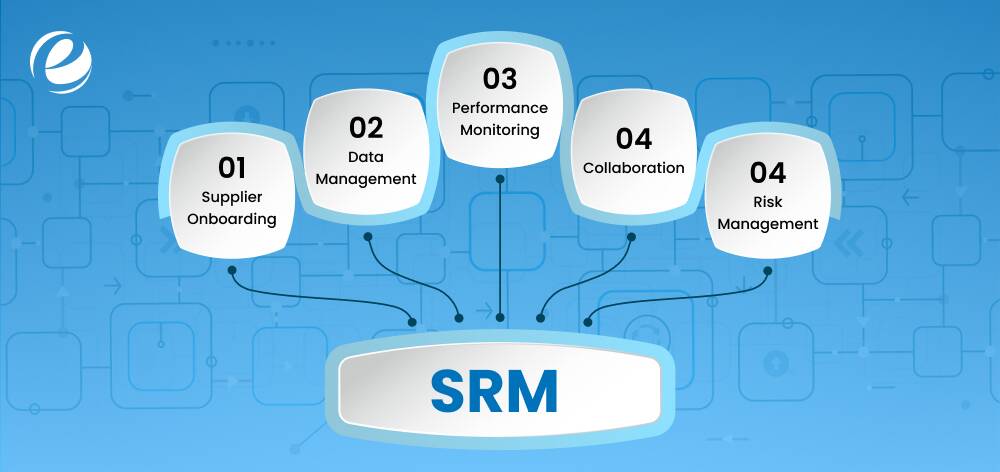
SRM software stands for supplier relationship management software and refers to a digital tool that makes supplier management interactions more successful and efficient. Moreover, by implementing an SRM system, organisations can achieve supplier excellence, lower their risks, and facilitate their procurement procedures for seamless operations.
1. Supplier Onboarding
The software apprehends and stores essential details of suppliers, making it very easy to authorise and register new suppliers within a short time.
2. Data Management
The software manages contracts, certifications, and communication records, and so forth, all in one location to provide easy accessibility and monitoring.
3. Performance Monitoring
Supplier relationship management software measures supplier performance through key performance indicators (KPIs); thus, businesses can find out the strong points and weaknesses of their suppliers.
4. Collaboration
The system features real-time communication and information sharing between suppliers and buyers, thus making problem-solving and innovation easy.
5. Risk Management
The software looks into the safety of suppliers as well as their adherence to the law, thereby warning them that a risk may arise so that business owners can take the initiative to solve the problem.
This simplified approach gives organisations in the healthcare software development company sector the advantage of being able to keep up with the competition and maintain their efficiency level by building up supplier relationships through the best SRM software available.
What are the Types of SRM Software?
The Supplier Relationship Management (SRM) software has different types from each other, and it is designed to address the specific needs of supplier management. Knowing these types allows companies to select the appropriate SRM system that matches their objectives and effectively improves supplier relationships.
1. Supplier Information Management Systems
These types of systems concentrate on gathering and collecting all supplier data such as contacts, certificates, and agreements. In addition, they clarify, centralize, and simplify supplier information to give businesses accessibility and tactility to all aspects of suppliers that the businesses want to ensure are updated.
2. Supplier Performance Management Systems
This type of supplier system measures supplier performance, incorporating supplier quality, delivery times and supplier compliance measures, allowing companies to analyze supplier reliability for a second-level assessment of supplier relationships that provide stakeholders with a better decision-making process to continue establishing or terminating ongoing supplier relationships.
3. Supplier Collaboration Platforms
This collaborative type system provides buyers and suppliers with a real-time communication tool, including the sharing of documents, feedback, and project resources to quickly problem solve and innovate comparisons.
4. Contract Management Systems
This type of software focuses on suppliers’ agreements and organizes document storage, reminders for renewals, and compliance tracking information to ensure all terms of agreements are adhered to, with accountability for missed deadlines and contractual obligations to avoid possible legal issues.
5. Supplier Onboarding and Analytics Tools
These tools are designed to assist the supplier onboarding process effectively and efficiently. Using tools allows the onboarding practitioner to run and automate approvals and data collection, while using analytics to ascertain trends, defects, and weaknesses regarding opportunities and risks around supplier variables. Analytics provide companies with useful ways to improve and target supplier relationship management.
Understanding the differences between these types of SRM software enables companies and businesses, even with their CRM software development company partners and mobile app development company partners, to make their choice of SRM software more suited to their own supplier management needs.
Key Features of Supplier Relationship Management Software
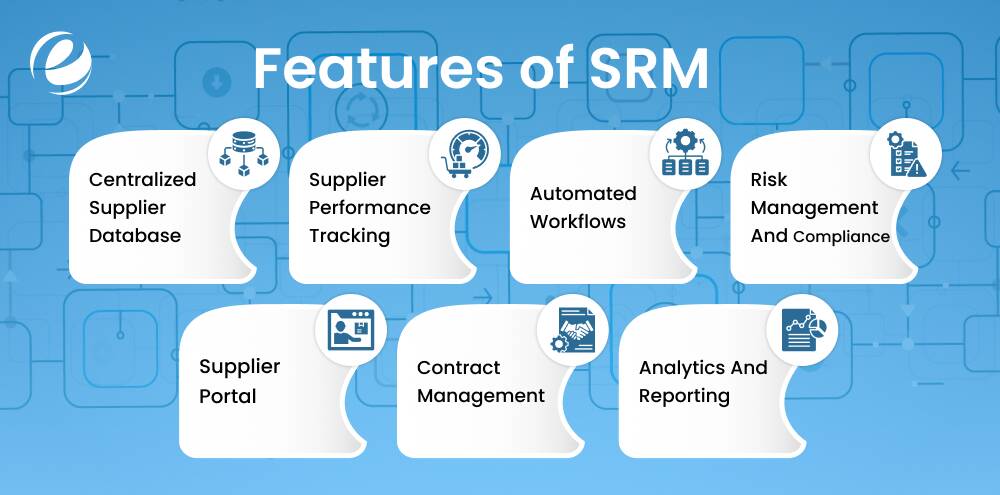
Supplier relationship management software (SRM software) is helpful in improving and simplifying how businesses engage with suppliers. It has tools that help manage supplier information, provide performance reporting, and automate the procurement process. SRM software can help to create better partnerships, improve efficiency, and manage supplier risk throughout the supply chain.
1. Centralized Supplier Database
SRM software’s centralized supplier repository stores all information about suppliers in one place and is easily accessible. It has everything that you need about suppliers, from representatives’ contact information, contracts, certifications, and performance information. This software allows organisations to maintain organisation while allowing them to quickly locate the information they need.
2. Supplier Performance Tracking
SRM software provides ongoing visibility into whether suppliers are meeting expectations. SRM Supplier Relationship Management software assesses suppliers using key performance indicators of quality, delivery time, compliance, etc. Organisations can use this process to find the top suppliers and management problems before they become a larger issue.
3. Automated Workflows
Many of the repetitive tasks performed in procurement processes, like approval processes, purchase orders and renewals, can be automated. This reduces the overhead of manual work, increases efficiency and limits human error, enhancing the procurement process as a whole.
4. Risk Management and Compliance
The software identifies potential risks related to suppliers, including shipping delays and compliance breaches. With alerts and reports, the business is better equipped to contain any arising risk, ensuring safety and reliability in the supply chain.
5. Supplier Portal
The portal lets the suppliers update their profiles, submit documents, and track their orders on their own. This autonomy facilitates more effective collaboration and enhances communication on both ends.
6. Contract Management
Supplier relationship management software keeps track of supplier contracts and maintains supplier agreements in good standing. It can also generate reminders for users of approaching renewal dates and any other contract actions that need to be addressed.
7. Analytics and Reporting
The system’s analytics shed light on patterns, costs, and supplier performance. Management is better equipped to improve supplier relationship management, planning, and decision-making through data-driven approaches with customised reporting.
All of these features help companies in the e-commerce and retail software industries streamline their dealings with suppliers with the best SRM software solutions.
Benefits of Using an SRM System for Your Business
Implementing an SRM system provides a variety of efficiencies and benefits for organizations that allow them to boost their supplier relationships and improve overall efficiencies. By automating the task of supplier management and offering improved visibility into supplier performance, the SRM Supplier Relationship Management software can facilitate better decision-making and foster progress. This is much more than managing suppliers; it guides your organization’s path to longer-term business success.
1. Improved Supplier Collaboration
An SRM system can assist individuals and teams, resulting in improved supplier interaction and collaboration. When suppliers have the ability to communicate quickly and collaborate efficiently, organizations can fix issues faster, collaborate on creative ideas, and create trust and great supplier relationships based on transparency.
2. Enhanced Cost Savings
An SRM software tool has the potential to increase cost savings through monitoring supplier performance and providing data insights on supplier negotiations, performance, and support data, which can expose cost reduction opportunities and better spending regulation without compromising quality.
3. Greater Supply Chain Visibility
Supplier relationship management software offers greater visibility of suppliers’ activities and associated risks. It gives organizations a clear and consistent real-time view of supplier activities as well as risks, which allows for more effective planning and provides an opportunity to shift practices and enable true vision in quick response to external changes to the organization.
4. Increased Efficiency
Automation of very ordinary tasks, such as onboarding, approvals of compliance, and reporting and compliance, can create efficiencies to improve performance, enhance processes, and reduce mistakes. Being more efficient allows the procurement team to focus on activities that create value for the organisation and company.
5. Risk Mitigation
With SRM systems, companies have a better opportunity of identifying possible supplier risk or uncertainty early, including issues related to compliance or financial solvency. While it is impossible to remove risks from the supply chain, if we use a strategy of risk management, we can reduce the likelihood of supply chain inadequacies or disruptions that could potentially spoil the company’s reputation.
6. Better Quality Control
Due to the constant tracking of suppliers’ performance, it is more manageable for a business to track whether suppliers have consistently satisfied quality or performance standards. If suppliers repeatedly skip quality targets, it can compromise product quality and customer satisfaction.
7. Scalable Supplier Management
As part of their business objectives, many companies rely heavily on third-party suppliers to provide software and software development services. Furthermore, if the business grows, the number of suppliers involved in its supply chain also grows, and when multiple products or services are required at what could be extreme dates, an SRM system can be ideal. An SRM system is flexible and scalable.
These benefits indicate why the best SRM software can be a vital tool to support those organizations that seek to maintain a strong, agile, and profitable relationship with the supplier that forms part of their supply chain.
How to Choose the Best SRM Supplier Relationship Management Software?
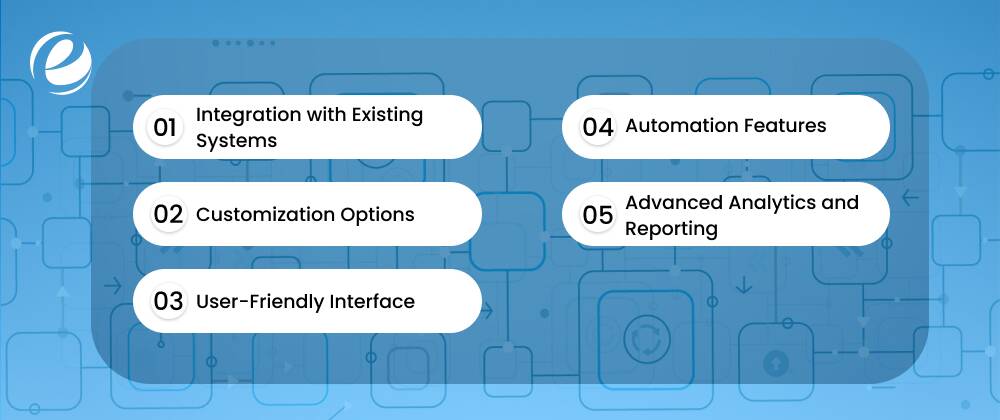
Choosing the right SRM software is the key to managing supplier relationships in a satisfactory manner, and it will also increase business productivity. The perfect SRM system will be the one that fits your company’s needs, syncs smoothly with your existing tools, and offers features that make supplier management easier. Below are five main hints that you should consider while figuring out the best supplier relationship management software that suits your needs.
1. Integration with Existing Systems
It is important to know that the SRM software connects easily with your current ERP, CRM, or any other business application. This will make the data flow very efficient and easy, and it will also prevent the inconvenience of having to navigate through several platforms.
2. Customization Options
Obtain software that will permit you to adjust workflows, dashboards, and reports in line with your one-of-a-kind business processes. Customization is also one of the main methods to make supplier relationship management easy and more efficient.
3. User-Friendly Interface
A less complicated and user-friendly interface is a convincing factor for every team and even suppliers when using this kind of software. As a result of everyone getting faster at using the software, the collaboration and management of supplier tasks are possible without interruptions and confusion.
4. Automation Features
Automating routine operations like approvals, notifications, and data entry, which are the major sources of delays and errors, will free up time for your employees to utilize in other ways. The aim of the best SRM software should be to help your procurement process be more efficient through automation.
5. Advanced Analytics and Reporting
Get software that renders data analytics and provides custom reports. Proper analytics sheds clarity on supplier performance and potential threats, thus giving the power to make wise decisions leading to the formation of good supplier bonds.
By taking these elements into account, you will be able to select the most suitable SRM Supplier Relationship Management software that is specifically designed for your business objectives and your field of work, no matter if you are working in the retail software industry or in different sectors.
How We Help You Build the Best SRM Software?
Emizentech understands that effective supplier relationship management is a critical part of your business plan for success. Our developers’ focus is on developing the most effective SRM software to suit your business, and we work with you to build the best one for you as per your requirements. We provide the tools to connect with suppliers, enhance communication, and increase efficiency with suppliers.
We are proud of our work in developing supplier relationship management software to help you organize your supplier information and automate your regular tasks so your team has more time to focus on strategic decisions. We have extensive experience providing software development services, and we ensure continuity with integration into other internal solutions you may have.
Our technique is collaborative, and we work with a full perspective of your current challenges and assist you in building the right SRM program to address those issues. Among many options, whether you are using a custom retail software development, we can build the solution that addresses your industry concerns.
When you partner with us to develop your SRM solution, you’re getting more than just software; you’re getting a partner committed to your growth and helping you build a strong supplier relationship that drives growth. Our agile development methodology and ongoing support keep your SRM software non-static and fit for purpose in a fast-changing environment where collaboration, visibility, and supplier performance count in maintaining your position as a competitive supplier.
Final Words
Supplier relationship management (SRM) software is a powerful tool in the business and will support the building and maintenance of strong partnerships with suppliers, and because of this, businesses succeed. Using the best SRM software will enable collaborative relationships, reduce risk, and deliver efficiencies and reliability in supply chains. Whether you’re a growing ecommerce app development company or part of a software development company, having a reliable SRM system in place is essential for staying competitive and achieving long-term success.
Investing money in quality supplier relationship management software is a wise choice because it helps not only to streamline procurement tasks but also empowers businesses to drive more profitable decisions and build more value from their supplier relationships. SRM supplier relationship management software can transform your suppliers from simply a supplier into a true partner in growth.
If you’re interested in learning more about how you could improve supplier relationships and performance for your business with effective supplier relationship management (SRM) software, then connect with an on demand app development company that can assist you in crafting software specifically for your business needs. Building a smarter and more connected supply chain starts here!
FAQ’s
Can SRM software integrate with other business applications?
Typically, yes! The majority of the on-premises and cloud-based SRM software provides readily accessible development integration options with ERP, CRM development company, and other vendor/developer business applications. These connections can eliminate subjective workflows and provide consistent real-time data across functional areas in your supply chain.
Does supplier relationship management software fit different industries?
Absolutely! Whether you are in an e-commerce app development company, a custom retail software developer, or part of another industry, SRM software can be configured and tailored for your unique supplier management needs.
What role does contract management play in SRM software?
Contract management in SRM software helps manage supplier contracts, renewal dates, and compliance to avoid missed renewals and become compliant with contract terms, thereby reducing exposure to any possible legalities and administrative costs as well.
Is SRM software suitable for small and medium-sized businesses?
Absolutely, supplier relationship management software can definitely be scaled to suit any size of business. A small or medium-sized business can better handle its supplier relationships without the need to deal with the complexities that would be required with an expensive and involved system.
What is the difference between SRM and CRM?
SRM focuses on managing relationships with suppliers around procurement and collaboration, while CRM is focused on managing relationships with customers around sales and customer satisfaction. At its simplest, SRM deals with suppliers, while CRM deals with customers.
Beta feature



 +1 (989) 535-9295
 info@emizentech.com
 emizentech


