
 Add us as a preferred source on Google
 eCommerce, or electronic commerce, is the buying and selling of products and services over the Internet with streamlined payment processing.
Each day, users buy and sell online from ecommerce platforms. So it’s no surprise that ecommerce retail revenue worldwide will exceed 4.1 trillion US dollars in 2024.
On an e-commerce website or mobile app, visitors can easily find suitable products and add them to the cart. Securely enter their payment information and complete the purchase.
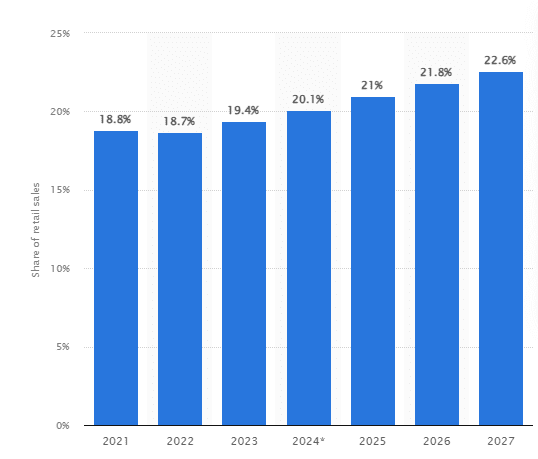
Since its advent, e-commerce has revamped the way we commerce and has become more of a necessity than a choice. In recent years, the growth of ecommerce has exploded, accounting for over 19% of overall retail sales worldwide. Statista predicts that by 2027, e-commerce will make up nearly a quarter of total global retail sales.
With more and more users or sellers buying and selling from e-commerce, it possesses various benefits, such as increased earning opportunities, convenience, lower prices, and sales tax exemptions. Whether it’s a small business owner or an established business, everyone is looking to create an online presence in the online business world.
Reflecting the promising future of e-commerce. So, if you plan to enter into this domain, now is the right time. This guide will help you get started with eCommerce, especially if you are just starting out.
Without any further ado, let’s get started.
What Is eCommerce?
Simply, eCommerce is about buying and selling goods and services using the internet. It has simplified the process of doing business without the need for physical stores. Vendors can quickly sell their products virtually, where customers can easily browse and purchase on their own.
To start an ecommerce business, you need to partner with an experienced ecommerce development company. They can help you set up and establish your businesses from the ground, whether you already have a physical store or want to sell exclusively on a digital platform.
So, before you start your ecommerce development, take a look at the evolution of ecommerce.
History of eCommerce
A quick look at the e-commerce chronology reveals that:
- 1887: IBM, or International Business Machines, was set up this year and became a harbinger of the electronic business in the coming decades. US statistician Herman Hollerith set it up.
- 1950-1960: In the 1950s and 60s, IBM introduced OLTP (Online Transaction Processing) to handle real-time monetary transactions. IBM also developed the SABRE system for American Airlines, revolutionizing airline reservations. By 1969, SABRE’s software evolved into CICS, a highly successful IBM product. In the same year, Dr. John R. Goltz and Jeffrey Wilkins pioneered CompuServe, which enabled early internet and email connectivity by the 1980s.
- 1970: The ATM or Automatic Teller Machine was invented by Docutel, which relied on bank computers for online transactions. It opened the gates of highly sophisticated transaction processing forms.
- 1979: English inventor Michael Aldrich introduced the first form of electronic shopping by connecting a modified TV to a transaction-processing computer using a telephone line.
- 1980: Shopping from home using computers and telephone lines started with giants like America Online (AOL), Prodigy, and CompuServe.
- 1982: Boston Computer Exchange was launched, the world’s first e-commerce company.
- 1989: The explosive growth of e-commerce started with the invention of the World Wide Web by Time Berners-Lee.
- 1992: An online bookstore named Book Stacks Unlimited was introduced by Charles M Stack, which further changed to the books.com domain.
- 1994: Amazon.com was founded by Jeff Bezos. In the same year, the Netscape Navigator web browser was created by Marc Andreessen introduced the Secure Sockets Layer (SSL). SSL introduced built-in encryption for securely carrying credit card transactions. It gave birth to the dot.com phenomenon.
- 1998: PayPal was launched as the first e-commerce payment system, which later merged with Elon Musk’s online banking company in 2000.
- 1999: An online marketplace named Alibaba Online was launched with more than 25 million USD funding.
- 2000-2001: More than 750 businesses went on the wall as the dot.com bubble burst. At this point, Amazon.com’s share came less than 10% of its original value. During the same time, Google AdWords was launched as an online advertising tool for different businesses.
- 2008: E-commerce established 3.4% of the total global sales, with leading companies like Facebook, Apple, Instagram, Jet.com, BigCommerce, Stripe, Etsy, and Google Wallet entering e-commerce operations.
- 2017: Technical giant Google started to row its journey for expert mobile experience as many internet users were using mobile devices only.
- 2020: E-commerce started to boom, as the US Census Bureau reported that the US e-commerce retail sales in the third quarter of 2020 were 209.5 billion USD.
- 2021: Ecommerce boom has continued, with global online sales surpassing $4.2 trillion. Companies adapted to changing consumer behaviors, with an increased focus on DTC models and personalized shopping experiences.
- 2022: Cybersecurity spending was projected to reach $170.4 billion globally in 2022. This was due to the rapid growth of e-commerce, which has attracted cybercriminals.
- 2023: Online marketplaces account for the largest share of online purchases worldwide. Amazon is leading the global ranking of online marketplaces in terms of traffic.
What Are The Essential Components Of An Ecommerce System?
After having a look at e-commerce history, it is essential to know all about the critical components of this system, including:
- Transaction: The exchange of goods and services with money is handled online only. The customer never sees the good in real until it reaches their place. In contrast, the modes of payment to businesses can be prepaid or cash on delivery accordingly.
- E-tailer: The different online retailers are the sources that offer different products or services to customers. These sources check the stocks, goods, dispatch availability, and good delivery accordingly.
- Webserver: It manages the online storefront and transaction processes. Hence, links with the bank’s computers for customers’ credit card details.
- Database system: It helps check items by constantly updating data according to the incoming orders and making contacts with suppliers when stocks are on the lower side.
The dispatch system instantly locates and sends products to buyers while remaining linked to the warehouse.
A Few Things To Know About E-commerce
There are a few things you should consider before you start your eCommerce website development.
1. Domain Name
A domain name which is your website address on the internet. It serves as a unique identifier for your online store. Just make sure you choose a name that is easy to spell and relevant to your brand.
2. Secure Socket Layer (SSL) Certification
SSL certification is essential for e-commerce websites as it encrypts data transmitted between the user browser and the server. This will ensure that sensitive information, such as credit card details and personal data, is protected from cyber threats.
3. Payment Process
To facilitate the payment process, you should opt for a smooth and secure payment process, which is vital for customer trust and satisfaction. It includes selecting a payment method, entering payment details, and confirming the transaction.
4. Shipping Process
The shipping process includes order fulfillment, packaging, and selecting a shipping carrier. Efficient shipping is crucial for maintaining customer satisfaction and trust.
5. Transaction Information
Transaction information includes details associated with the customer’s purchase, including the items bought, payment method, and shipping address. Proper management of this information is essential for order processing, customer service, and record keeping.
6. Linked Merchant Account
This is a type of bank account that allows businesses to accept credit and debit card payments. A linked merchant account is helpful in facilitating the transfer of funds from customers to businesses’ bank accounts.
7. Official Business Account
The official business account is a dedicated bank account set up for a business entity. It is used to manage all the financial transactions related to the business, including revenue from sales and payroll.
Note: Having a separate business account will help you maintain clear financial records and simplify accounting.
Build Your Own eCommerce Store
Hire eCommerce Developers
How Does E-Commerce Work?
Unlike any offline retail business, the workings of e-commerce are similar. The e-commerce functions mainly in three ways: Receiving orders, processing order information, and shipping.
Let’s discuss how ecommerce functions in detail.
1. User access on eCommerce websites
Customers can access the site via a web browser on computers or smartphones. They can register on the platform by using an email ID, which will help them login in the future.
2. Product search functionality
After registering on the ecommerce website, users can search for items using a search bar. The search bar of e-commerce includes a filter option from which you can choose category, size, and color to narrow down the results.
3. Adding products to the cart
Now, if you have found an item you are looking for, you can directly add it to the cart, and the item will be there as long as you make a purchase.
4. Checkout procedure
If the customer wishes to buy the product, the customer can click on the checkout process and confirm product details and payment options.
5. Payment options
Ecommerce platforms have inbuilt payment gateways that can facilitate transactions. Customers can easily make transactions via payment gateways that provide various modes of payment, such as card, UPI, or pay later.
6. Order fulfillment process
This stage includes three cycles: order received, order processed, and order shipped. Confirmation of the order takes place in the order received stage. After that, products are dispatched to the customer in the order processed cycle. The order shipped, which means products are dispatched to the customer.
What Is An eCommerce Website?
An ecommerce website is an online platform that facilitates the buying and selling of goods and services over the Internet. It serves as a virtual storefront, allowing businesses to reach a global audience and enabling consumers to shop conveniently from anywhere.
The role of ecommerce in business is pivotal, as it helps companies to reach a broader audience and streamline their operations. The best part is that with an e-commerce website, you can operate your business 24/7, reducing overhead costs associated with physical stores.
With the advancement in technology such as AI, AR, and VR, the future scope of ecommerce websites looks promising. As consumer preferences are shifting toward online shopping, ecommerce websites are expected to evolve, providing users with enhanced user experience.
With this being said, let’s discuss the pros and cons of e-commerce websites.
| Pros of ecommerce website | Cons of e-commerce website |
| Convenience of shopping | Security concerns |
| Wider reach | Lack of personal touch |
| Lower costs | Dependence on technology |
| Personalization | Shipping challenges |
Also Read: Top eCommerce Website Development Companies
What Features Should an E-Commerce Website Have?
Around 12-24 million e-commerce sites are operating globally, while only less than one million of these sites sell more than 1,000 USD yearly. Hence, it is essential to have an e-commerce site equipped with essential features that are valid for customers. Some of these features include:
- A detailed list of different options for products or goods on different marketplaces or ecommerce sites.
- The interface to the customer, i.e., the web page, should be aesthetically appealing, user-friendly, and easy to navigate.
- It is essential to optimize the e-commerce webpage or site according to mobile devices.
- Businesses can offer seasonal or occasional discounts to different customers. It is excellent to go for customized offers to attract customers.
- The payment processing system should be secured to protect the customer data from unauthorized access.
- It should be ensured that the checkout process on your e-commerce site should be clutter-free and easy. It further reduces the cart abandonment rates.
- The platform should offer options to add reviews, photos, and ratings for every purchase.
How Do You Design An E-Commerce Website?

An e-commerce website needs a user-friendly and attractive design that quickly gains customers’ attention. The quick steps for designing an e-commerce website include:
1. Purchase A Domain Name
Start your e-commerce website development by choosing a relevant domain name that reflects your brand and is easy for customers to remember.
2. Select The Website Builder
Opt for a website builder that offers customizable templates and features tailored for ecommerce needs.
3. Decide On An eCommerce Platform Integration.
Choose an ecommerce platform that seamlessly integrates with your website builder to manage products and transactions effectively.
4. Select An Online Payment Gateway Provider
Integrate a secure payment gateway that supports various payment methods to enhance customer convenience.
5. Select A Website Hosting Provider
Choose a reliable hosting provider that ensures your website is fast and secure and can handle traffic spikes.
6. Start Website Design With Wireframes Followed By Prototypes
Begin with wireframes to outline the layout and then create prototypes to visualize the user experience.
7. Establish A Style Guide For eCommerce Website
Develop a style guide that outlines your brand’s colors, fonts, and design elements to maintain consistency.
8. Outline The Site’s Architecture
Plan the structure of your ecommerce website to ensure easy navigation and a logical flow for users.
9. Follow A Consistent Layout
Maintain a uniform layout across all pages to create a cohesive look and feel that enhances usability.
10. Compress All Site Images To Maximize Page Speed
Optimize images to reduce load times, improving user experience and retention.
11. Optimizing Every Page For SEO
Implement SEO best practices on all pages to improve visibility in search engine results.
12. Launching The eCommerce Website
Finally, test all functionalities and launch your website. Just make sure that everything works smoothly even when looking to introduce ecommerce functions to your website.
Key Technologies Behind eCommerce
When looking to introduce eCommerce functions, several key technologies play a crucial role in ensuring a successful online business. Take a look at some of the primary categories:
- Web & App Development Platforms: Shopify, Magento, WooCommerce
- Payment Gateways: PayPal, Stripe, Square
- Security Technologies: SSL certificates, Two-factor authentication, Firewalls
- Analytics and AI: Google Analytics, Chatbots
How to Integrate eCommerce Into Existing Business Models
Integrating ecommerce into your existing business model offers numerous advantages that can significantly enhance your operations and market presence.
Here are the steps to integrate ecommerce into exciting business models:
1. Choose The Right eCommerce Platform
Start by selecting a platform that aligns with your business needs, scalability requirements, and technical capabilities. Some of the options available are Shopify, Magento, or WooCommerce, and you can choose them based on your specific goals.
2. Integrate With Your Existing Systems (ERP, CRM, etc.)
Now, ensure that your ecommerce platform seamlessly integrates with existing systems like ERP and CRM to maintain consistent data flow and improve operational efficiency.
3. Optimize Your Product Catalog For Online Sales
Revise your product listings to ensure they are compelling and informative. Use high–quality images, detailed descriptions, and relevant keywords to enhance your visibility and conversion rates.
4. Implement Secure Payment Gateways
Choose reliable payment gateways such as PayPal and Stripe that provide secure transaction processing to protect customer data and build trust.
5. Ensure Seamless Inventory Management
Utilize inventory management systems that synchronize stock levels across online and offline channels, reducing the risk of stockouts or overstocking.
6. Incorporate Omnichannel Customer Support
Make sure to provide consistent support across various channels. This will enhance customer experience and satisfaction, ensuring customers can reach you wherever they are.
7. Leverage Digital Marketing For Customer Acquisition
You can also leverage digital marketing strategies such as SEO, PPC, and social media marketing to attract and engage customers, driving traffic to your ecommerce site.
8. Enable Mobile-Friendly Shopping
Remember to optimize your ecommerce site for mobile devices to cater to the growing number of consumers shopping via smartphones.
9. Offer Flexible Shipping And Fulfillment Options
Provide various shipping methods and fulfillment options to meet customer preferences, including same-day delivery, click-and-collect, and international shipping.
10. Use Data Analytics For Business Insights
Lastly, implement analytics tools to track customers’ behavior, sales trends, and marketing effectiveness. Then, use these insights to make informed decisions and optimize your ecommerce strategy.
Types of E-Commerce Business Models
Understanding these ecommerce business models is essential for businesses aiming to establish a successful online presence. Take a look.
1. B2B (Business To Business)
In the B2B model, transactions occur between businesses. Companies sell products or services to other companies, often in bulk. Larger order sizes and longer sale cycles characterize this model. As a result, the market size is projected to reach USD 25.65 trillion by 2028.
2. C2C (Consumer To Consumer)
C2C platforms enable consumers to sell products or services directly to other consumers. This model is facilitated by online marketplaces like eBay and Etsy, where individuals can list their items for sale.
3. C2B (Consumer To Business)
In this model, individuals sell products or offer services to businesses. This can include freelancers providing services like graphic design or influencers promoting products. With this model, consumers can monetize their skills and assets.
4. B2A (Business To Public Administrations)
The B2A model involves businesses providing services or products to government agencies or public administration. This services includes software solutions, consulting services, or procurement of goods necessary for public sector operations.
5. C2A (Consumer To Public Administrations)
In the C2A model, transactions occur when consumers interact with public administrations. This can include paying taxes, applying for permits, or accessing public service online. This model is for citizen engagement and streamlines government processes.
6.B2C ( Business To Consumer)
In this business model, businesses directly sell products and services to consumers without giving cuts to intermediaries. B2C models are more transparent widely adopted by small businesses and, entrepreneurs, and retail stores. Some of the popular B2C examples include eBay, Amazon, Uber, and many more.
Examples Of eCommerce Businesses
- Online retail: Amazon is one of the popular options, and businesses can benefit from Amazon partnerships.
- Wholesale: Alibaba is a popular wholesale e-commerce business that attracts businesses from different corners of the world.
- Dropshipping: Shopify is the main dropshipping e-commerce business that handles different businesses’ products.
- Subscription: Netflix is a leading subscription-based e-commerce business that offers premium services to customers.
- Digital products: Microsoft offers a variety of digital products to global businesses.
- Physical products: Etsy makes it easy for customers to order and buy different physical products.
- Services: Many e-commerce businesses offer different services like legal services, healthcare, accounting, tax, etc.
Should I Use A Marketplace Or A Website For My E-Commerce Store?

One common question that comes to mind is the selection from the marketplace or website for your e-commerce store. While website and marketplace both have their set of benefits for any e-commerce, it comes down to the business start date. The startups can go for the established marketplaces that help them gain popularity, while the established ones can confidently invest in their websites.
How To Use E-Commerce To Sell Information?
E-commerce is here to stay as it can do a lot more than increase your business’ revenue. Many companies are already using e-commerce to sell information using different free and subscription model services. Trending online publishing involves transactions that further sell information and add to the total revenue. The best benefits include book publishers, magazines, newspapers, etc.
We Help Build Awesome eCommerce Websites
Hire eCommerce Developers
Advantages and Disadvantages of E-Commerce
Some of the critical advantages of e-commerce include:
- It offers a quick buying experience for the customers and from being located in any corner of the world.
- It becomes easy for businesses to reach global customers through email marketing and social media advertising.
- There is no need to spend on the physical store or sales executives when businesses can go for a virtual or e-commerce site.
- Businesses can offer highly customized user experiences using e-commerce sites.
- E-commerce can significantly add to the total business revenue.
Some of the points of concern while dealing with e-commerce are:
- The interaction with customers is limited, which breaks the human touch in decision-making.
- Customers never get the option of trying and testing in a physical store. Any issues in technology can disrupt the entire e-commerce cycle.
What Is The Mobile Future Of E-Commerce?
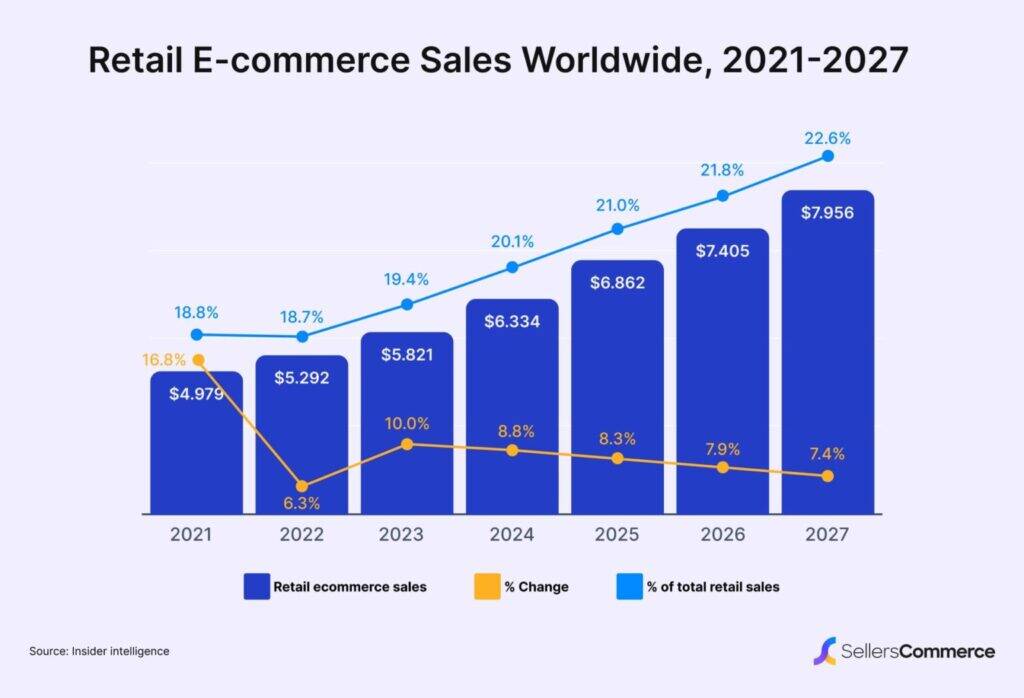
Mobile commerce, or m-commerce, has a golden future in evolving markets. According to Sellers Commerce, 20.1% of retail purchases are projected to happen online in 2024. This figure is expected to grow to 22.6% by 2027, reflecting a steady annual increase of 0.32% since 2021. The rise in online retail sales shows the growing shift towards e-commerce.
Essentially four options if you want to go for mobile e-commerce:
It is time to look at the must-haves in any e-commerce website set to target the audience using mobile devices. These are:
- Responsive design: It is essential to redesign the e-commerce website to meet mobile requirements. It can be achieved using a common stylesheet with conditional rules for different screen widths.
- Dynamic serving: It is all about building e-commerce sites that are slightly different for desktop and mobile users. It offers an extended user experience as ASP/ PHP testing creates optimized web pages.
- Separate mobile site: Many businesses prefer a separate mobile version of an e-commerce site. This is the ideal choice when the leading search engine, Google, has turned mobile-first and has preferred mobile-friendly websites.
- Separate mobile app: Go for a free e-commerce app for your customers. It ensures zero distractions due to different ads, competitor promotions, etc.
How To Promote E-commerce Websites?
There are different ways to promote an e-commerce website to attract customers. Some of these include:
- Search Engine Optimization or SEO: It uses the power of keywords to increase the ability of an e-commerce website to use different search engines.
- Social media: When it comes to e-commerce website promotion, nothing matches the power of social media. Social media traffic can help derive traffic to e-commerce sites. The leading social media platforms that can be used according to business needs include Google My Business, Instagram, Pinterest, LinkedIn, Twitter, Facebook, etc.
- Sales or promotions: Businesses can go for coupon codes, promotions, special sales, etc., to promote their e-commerce website. These discounted rates can make customers give your e-commerce site a try at least once.
- PPC or paid advertising: The paid traffic can be contacted through different social media outlets, websites, search engines, etc. The most popular form of PPC is Google Ads, which drive traffic to e-commerce sites.
- Referrals: Organic or paid referrals can increase the traffic on e-commerce sites. Businesses can further go for the referral codes shared between different groups.
Understanding Conversion Rate For E-Commerce Websites
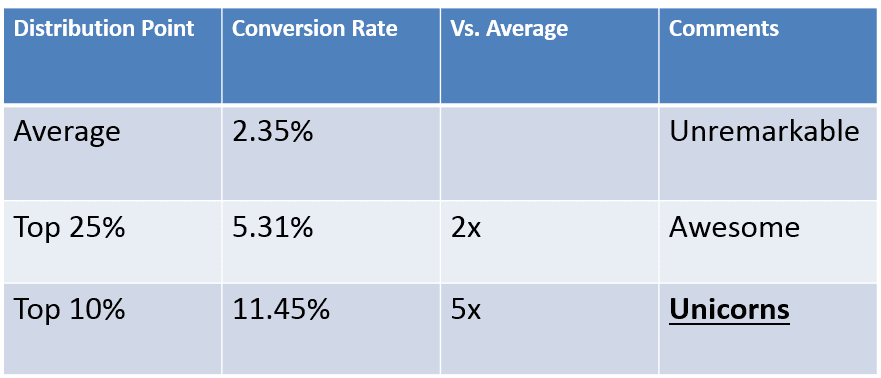
Do you know that more than 68% of small businesses don’t have a documented or well-defined conversion rate optimization (CRO) strategy? So, what is this conversion rate all about? It is the simple calculation of the total number of conversions divided by the total number of visitors. Hence, it is a quick estimate of the visitor percentage converted into paying customers. This conversion depends on the business type and can be monitored using Google Analytics.
The simple concept of selling something or the other to every physical visitor at your store or retail is interpreted as a conversion rate for e-commerce websites. It is essential to look at this value to predict future sales, test changes, compare performance, and monitor accordingly.
Hence, the conversion rates provide insight into the e-commerce site, the customer’s behavior, etc., using different A/B testing techniques. It becomes easy for businesses to introduce necessary modifications according to the conversion rates.
Challenges In eCommerce Business
While ecommerce offers numerous opportunities, it also presents several challenges that businesses must navigate to succeed. Let’s talk about some major challenges down below:
1. Fierce Competition
Today, the ecommerce market is highly competitive, with numerous players vying for customer attention. It’s become challenging to thrive in this landscape. Businesses must opt for unique value propositions and effective marketing strategies to differentiate themselves.
2. Cybersecurity Threats
As online transactions increase, so does the risk of cyberattacks. Businesses must invest in robust security measures to protect customer data and maintain trust.
3. Managing Logistics and Shipping
Businesses need help managing delivery times, costs, and partnerships with shipping providers. Efficient logistics and shipping are crucial for customer satisfaction.
4. High Cart Abandonment Rates
The main reasons for the high cart abandonment rate are unexpected costs, complicated checkout processes, or lack of payment options. Addressing these issues is essential to improve conversion rates.
5. Handling Customer Expectations
Customers expect quick responses, fast shipping, and high-quality service. Meeting these expectations from time to time can be challenging for businesses, especially during peak seasons.
6. Ensuring Data Privacy Compliance
With regulations like GDPR and CCPA, businesses must ensure they comply with data privacy laws. This requires careful management of customer data and transparent privacy policies.
7. Managing Returns And Refunds
Another major issue is handling returns and refunds efficiently, which is critical for customer satisfaction. Poor return processes can lead to negative experiences and lost sales.
8. Inventory Management Issues
When business rises, maintaining optimal inventory levels can be challenging. Overstocking can lead to increased costs, while understocking can result in missed sales opportunities.
9. Maintaining Website Performance
A slow or unreliable website can deter customers and harm sales. Businesses must ensure their ecommerce platforms are optimized for performance and uptime.
10. Adapting To Evolving Technology Trends
The e-commerce industry is constantly evolving, with new technologies and trends emerging regularly. To catch up with the latest trends, such as AI, mobile commerce is vital to remain competitive.
How To Measure E-Commerce Success?
Many small businesses slide this task under the rug because they don’t know how to measure their success or are confused about where they should start. First of all, why should you care about ecommerce metrics?
You should continuously take updates on your eCommerce metrics because when you don’t track their performance. It’s difficult for you to determine what strategies are working for you or not and how you can improve.
According to the Mickensy survey, companies that use ecommerce performance analytics are frequently likely to outperform their competitors compared to those that don’t track their profit, sales growth, or ROI.
So, here are some ecommerce metrics that help you in measuring ecommerce success.
1. Ecommerce Conversion Rate
The E-commerce conversion rate is a vital factor. It will help you determine that you are driving people to the right products or pages. The percentage of website visitors who make a purchase indicates how effectively your site converts traffic into sales.
2. Average Order Value
Average order value is measured by the average amount spent by customers per order. It helps you in assessing purchasing behavior. To calculate AOV, divide the total revenue for a period by the total number of orders completed during that same period.
3. Customer Lifetime Value
The total revenue expected from a customer over their entire relationship with your business helps in understanding long-term profitability. It is said that the higher your lifetime value, the less you need to spend on acquiring new customers. Multiply the average order value by the average purchase frequency rate and the average customer lifespan, and you can get CLV.
4. Customer Retention Rate
Customer retention rate is the percentage of customers who return to make additional purchases. In other words, the customer that comes back is a lifeline for your ecommerce business. High retention indicates customer satisfaction and loyalty. To find CRR, divide returning customers by total customers and multiply by a hundred.
5. Customer Acquisition Cost
This is the total amount you have spent in order to bring in a new customer. It helps evaluate the efficiency of marketing efforts. To get this metric right, you can divide total marketing expenses by the number of new customers. Note that if you gradually see this metric rising over time, then something is wrong with your product or UX.
6. The Shopping Cart Abandonment Rate
This metric is helpful in measuring your success rate. Well, it hurts to see customers load up their shopping carts and abandon them without making a purchase. This can be a sign of potential issues in the checkout process or can be competitive pricing. To measure this metric, divide the number of completed checkouts by the total number of tandem carts during the same period, then multiply by a hundred.
7. Return on Ad Spend
Measures the revenue generated for every dollar spent on advertising because if you don’t know how much you are spending on ads, you are probably spending more than you are making. Measuring this metric assesses the effectiveness of ad campaigns. So, how do you track ROAS? Simply by dividing revenue from advertising by the cost of advertising.
8. Channel Mix Metrics
To understand the performance of your marketing channels, analyze the performance of different marketing channels, e.g., social media, email, and paid search, to optimize resource allocation and strategy. Tracking metrics like conversion rate, AOV, and cart abandonment rate on a channel-by-channel basis helps you determine whether your marketing efforts are successful or not.
Future Of eCommerce Business
With technological advancement, the future of ecommerce looks promising. Just by tapping on your phone or clicking on a website, you can buy anything. The first e-commerce company started this amazing journey, and now it has grown into something huge.
In the future, more people will use their mobile apps and websites to shop. Mobile commerce will become increasingly dominant, with businesses investing in robust mobile applications that offer seamless navigation.
Moreover, the ecommerce website will be optimized for speed and user engagement, incorporating advanced technologies such as AI, AR, and VR. They will provide users with an immersive shopping experience, helping them to visualize products in their own environment before making a purchase.
The future of ecommerce will be driven by innovation, personalization, and commitment to enhancing the overall shopping experience. Positioning businesses to thrive in a competitive landscape.
Why Choose EmizenTech For eCommerce Business?
Do you know that more than 58% of customers stop taking products or services from a business because of poor customer experience? Hence, it is crucial to choose the right partner to make your ecommerce business successful.
As a leading eCommerce development company, EmizenTech stands out as a premier choice for all your ecommerce ventures. We specialize in providing web and mobile app services tailored to meet the unique needs of your business.
Our expertise in ecommerce development solutions ensures that your online store is not only visually appealing but also highly functional and user-friendly.
When you hire e-commerce developers from EmizenTech, you are partnering with a team of skilled professionals who understand the basics of ecommerce and the intricacies involved in creating a robust online platform.
Our developers are well-versed in the latest technologies and best practices, enabling them to build scalable and secure ecommerce solutions.
From concept design to ongoing support and maintenance, we take a holistic approach to ecommerce development. By partnering with us, you are investing in a partnership that prioritizes your business goals, ensuring that your e-commerce platform stands out in a competitive market.
Conclusion
With more than 95% of all purchases going online by 2040, understanding the workings of e-commerce is beneficial for many budding entrepreneurs and existing businesses. The commercial transactions over the Internet date back to 1887, when IBM was established. It is easy to understand the different components of e-commerce and then go for a deep understanding of this popular business model. A quick list of the must-have features in an e-commerce website and related steps to design one for your needs helps businesses enter this challenging market confidently.
The B2C, B2B, and marketplace e-commerce models are not to miss, followed by some of the leading examples in e-commerce domains. It is essential to decide on the marketplace or website for your e-commerce after going through the key advantages and disadvantages of e-commerce. With more than 93% of Millennials comparing different e-commerce deals using mobile devices only, it becomes essential to look at the mobile e-commerce must-haves. A quick look at the promotion, conversion rate, and measuring e-commerce success towards the end makes it easy for anyone to understand all about the workings of e-commerce.
So, if you have an e-commerce project, then get in touch with EmizenTech, a leading e-commerce development company offering services globally.
Frequently Asked Questions
What is a payment gateway in eCommerce?
The payment gateway is a service that processes online payments for eCommerce transactions. It securely captures and transfers payment information between the customer, the merchant, and the bank, ensuring seamless checkout.
How can I integrate eCommerce into my existing business?
You can integrate your ecommerce by setting up an online store through a website or mobile app, utilizing commerce platforms, and linking them to your existing inventory and sales systems. Additionally, you can partner with an ecommerce development company that can simplify this process for you.
How does mobile commerce (mCommerce) impact eCommerce?
Mobile commerce significantly impacts ecommerce by enabling shopping via smartphones and tablets. It enhances customer convenience, increasing accessibility, and often leads to high conversion rates due to the ease of use.
How do I start an eCommerce business?
To start your eCommerce business, you need to find your niche, conduct market research, choose a business model, and implement marketing strategies to attract customers. You can hire an ecommerce development company to start with your eCommerce business.
Why is security important in eCommerce?
Security is crucial in ecommerce to protect sensitive customer data, such as payment details and personal data. Ensuring robust security measures builds trust with customers and helps prevent fraud, data breaches, and financial losses.



 +1 (989) 535-9295
 info@emizentech.com
 emizentech


